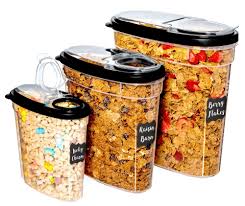
The global demand for efficient grain storage and transportation systems has never been higher. As agricultural production continues to grow, businesses and farmers must adopt reliable solutions to maintain product quality and reduce losses. One of the most effective systems in modern agriculture and logistics is the container cereales solution.
Container cereales refers to specialized containers designed for storing and transporting cereals such as wheat, rice, corn, barley, oats, and other grains. These containers protect crops from environmental damage, pests, moisture, and contamination while ensuring smooth handling and efficient distribution.
In this comprehensive guide, we will explore the importance of container cereales, the types available, key benefits, best practices, and how businesses can choose the right system for their needs.
What Is a Container Cereales?
A container cereales is a storage and transport container specifically engineered for bulk grain handling. These containers are designed to maintain optimal conditions, ensuring that cereals remain fresh, dry, and safe during storage and shipping.
Unlike traditional storage methods, modern grain containers provide advanced protection features, including moisture control, ventilation systems, and secure sealing mechanisms. This makes them essential for agricultural producers, exporters, distributors, and food processing companies.
Why Proper Grain Storage Matters
Grains are highly sensitive to environmental factors. Poor storage conditions can lead to:
- Moisture damage and mold growth
- Pest infestation
- Nutrient degradation
- Weight loss due to spoilage
- Financial losses from rejected shipments
Container cereales systems are designed to address these risks by providing controlled environments and durable structures that preserve grain quality.
Types of Container Cereales
Different types of containers are available depending on the scale of operations and transportation needs:
1. Bulk Shipping Containers
These containers are used for exporting large volumes of cereals. They are typically modified shipping containers equipped with liners and ventilation systems to protect grains during transit.
2. Silo Containers
Silo-style containers are ideal for on-site storage. They allow for easy loading and unloading while maintaining controlled conditions.
3. Flexible Intermediate Bulk Containers (FIBCs)
Also known as bulk bags, FIBCs are suitable for medium-scale grain storage and transportation. They are cost-effective and easy to handle.
4. Hermetic Storage Containers
These airtight containers prevent oxygen exchange, reducing the risk of pest infestation and mold growth without the need for chemical treatments.
Each type of container cereales serves specific operational requirements, making it essential to select the right solution.
Key Benefits of Container Cereales
1. Protection from Environmental Damage
Modern grain containers protect cereals from rain, humidity, extreme temperatures, and contamination.
2. Reduced Post-Harvest Losses
By minimizing spoilage and pest damage, container cereales systems significantly reduce post-harvest losses.
3. Improved Logistics Efficiency
Standardized containers simplify handling, stacking, and transportation across supply chains.
4. Cost-Effectiveness
Although there may be an initial investment, the reduction in product loss and improved efficiency lead to long-term savings.
5. Compliance with Export Standards
High-quality containers meet international safety and hygiene standards, ensuring smooth export processes.
Best Practices for Using Container Cereales
To maximize efficiency and maintain grain quality, follow these best practices:
Proper Cleaning
Ensure containers are thoroughly cleaned and sanitized before use to prevent contamination.
Moisture Monitoring
Maintain optimal moisture levels (usually below 14% for most cereals) to prevent mold growth.
Ventilation Control
Use containers with proper ventilation systems to prevent condensation buildup.
Regular Inspection
Inspect containers regularly for damage, leaks, or pest entry points.
Temperature Management
Monitor temperature to avoid heat buildup, which can accelerate spoilage.
Implementing these practices ensures that container cereales systems perform effectively.
Technology Advancements in Grain Containers
Modern container cereales solutions incorporate advanced technologies to enhance performance:
- Moisture sensors for real-time monitoring
- Temperature tracking systems
- GPS tracking for shipment monitoring
- Automated loading and unloading systems
These innovations provide better control over grain storage and logistics, improving efficiency and transparency across the supply chain.
Choosing the Right Container Cereales Solution
Selecting the appropriate container depends on several factors:
Volume of Grain
Large-scale exporters may require bulk shipping containers, while smaller producers may opt for flexible bulk bags.
Transportation Distance
Long-distance shipping requires enhanced ventilation and moisture protection.
Climate Conditions
Regions with high humidity require hermetic or moisture-controlled containers.
Budget Considerations
Evaluate initial investment costs against potential long-term savings from reduced spoilage.
For businesses seeking reliable and innovative storage solutions, https://shazo.com/ offers advanced container cereales systems designed to enhance efficiency and grain protection.
Sustainability and Environmental Impact
Sustainable agricultural practices are increasingly important. Modern container cereales solutions support sustainability by:
- Reducing food waste
- Minimizing chemical use through hermetic storage
- Improving supply chain efficiency
- Using recyclable and durable materials
By adopting efficient storage systems, businesses contribute to environmental protection while improving profitability.
Common Challenges in Grain Storage
Despite technological advancements, grain storage can still present challenges:
- Fluctuating climate conditions
- Inconsistent moisture levels
- Pest infestations
- Supply chain delays
Container cereales systems address these challenges by providing controlled environments and secure transport options.
Future of Container Cereales
As global food demand rises, the importance of reliable grain storage and transportation will continue to grow. Future trends include:
- Smart containers with AI-based monitoring
- Improved insulation technologies
- Enhanced sustainability features
- Greater automation in grain handling
Companies investing in advanced container cereales systems will gain a competitive advantage by ensuring quality, reducing losses, and improving operational efficiency.
Conclusion
Container cereales solutions play a critical role in modern agriculture and logistics. By providing safe, efficient, and cost-effective storage and transport options, they help preserve grain quality and reduce post-harvest losses. Whether you are a farmer, distributor, exporter, or food processing company, investing in high-quality grain containers ensures better protection, compliance, and profitability.
If you want read more interesting blog visit over website localhomeservicesblog