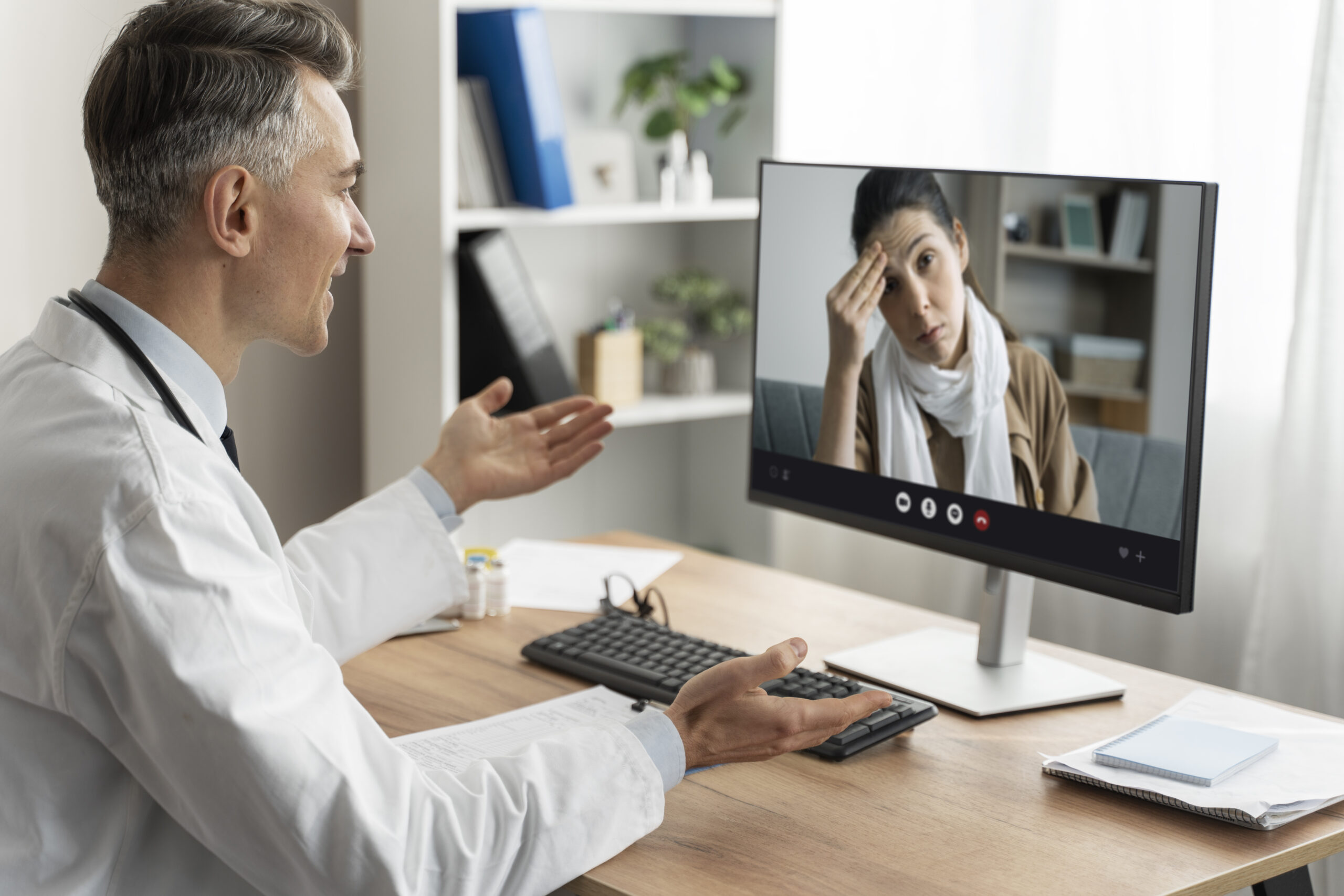
The demand for virtual mental health services has grown rapidly across the state. As more clients look for flexible care options, professionals are exploring telehealth counselor careers in California. This path offers opportunity, independence, and the ability to reach diverse communities without geographic limits.
Understanding the Rise of Virtual Counseling in California
California has long been a leader in innovation, and mental health services are no exception. Telehealth counseling allows licensed professionals to provide therapy through secure video platforms, phone sessions, and digital communication tools. This shift has expanded access for clients in rural areas, busy professionals, students, and individuals who prefer receiving care from home.
The growth of remote care has also influenced broader Counselor Careers in Mental Health. Many employers now offer hybrid or fully remote roles, allowing therapists to balance flexibility with professional stability. Insurance companies, private practices, hospitals, and behavioral health startups increasingly recognize telehealth as a long term service model.
For aspiring counselors, this shift means building skills that go beyond traditional in person therapy. Key changes in the profession include:
- Greater reliance on digital platforms
- Increased demand for flexible scheduling
- Stronger focus on privacy and compliance
- Broader access to clients across the state
Technology comfort, online communication skills, and digital ethics awareness are now essential parts of the profession.
Education and Licensing Requirements
To begin a career in telehealth counseling in California, you must meet the same educational and licensing standards required for in person practice. This typically includes earning a master’s degree in counseling, psychology, or a related field from an accredited institution. Supervised clinical hours are also mandatory before applying for full licensure.
Depending on your specialization, you may pursue licensure as a Licensed Professional Clinical Counselor, Marriage and Family Therapist, or Clinical Social Worker. Many professionals who search for Clinical social worker job openings or Family Therapist LMFT Vacancies discover that telehealth options are widely available once they obtain full licensure.
California licensing boards require adherence to ethical and professional standards, including:
- Client confidentiality
- Informed consent procedures
- Accurate record keeping
- Compliance with state telehealth laws
When providing virtual services, counselors must ensure their platforms meet privacy regulations and security guidelines.
Building Essential Telehealth Skills
Success in telehealth counseling requires more than clinical expertise. Virtual sessions demand strong communication skills, clear boundaries, and adaptability. Counselors must learn to interpret tone, facial expression, and subtle cues through a screen while maintaining client engagement.
Developing technical proficiency is equally important. Core telehealth skills include:
- Comfort using secure video conferencing platforms
- Troubleshooting common technical issues
- Maintaining digital documentation and records
- Understanding telehealth privacy laws
Clients expect smooth and professional online experiences. Even minor technical disruptions can affect therapeutic rapport, so preparation is key.
Many professionals transitioning from traditional roles such as Outpatient Physical Therapist Careers or other healthcare positions find that telehealth requires an adjustment period. With practice and ongoing training, virtual service delivery becomes more natural and efficient.
Finding Telehealth Opportunities in California
Once licensed and trained, the next step is securing employment or building your own practice. Opportunities for telehealth counselors exist in multiple settings, such as:
- Private group practices offering remote services
- Online therapy platforms
- Community mental health agencies
- Hospital systems with virtual programs
- Employee assistance programs
When searching for positions, tailor your resume to highlight telehealth competencies, digital documentation experience, and online client engagement skills. Employers value candidates who demonstrate readiness to work independently while maintaining strong clinical standards.
Networking also plays a major role in career growth. Consider:
- Joining professional counseling associations
- Attending virtual conferences and workshops
- Participating in online therapist forums
- Connecting with supervisors and mentors
These steps can help you identify new job openings and collaborative opportunities.
Creating a Strong Online Professional Presence
In telehealth counseling, your online presence often serves as your first impression. Whether you work for an organization or operate independently, a professional digital profile builds trust with potential clients.
Strategies to strengthen your presence include:
- Developing a clear professional bio outlining specialties
- Sharing educational content on mental health topics
- Maintaining updated licensure and certifications
- Using professional headshots and consistent branding
Clients frequently research therapists before scheduling sessions. A polished and informative online presence communicates credibility and reliability.
If you plan to start a private telehealth practice, invest in secure scheduling systems and clear service descriptions. Make sure your messaging explains:
- Types of therapy offered
- Age groups served
- Session structure
- Insurance or payment details
Clarity reduces confusion and builds confidence with prospective clients.
Managing Work Life Balance in Telehealth
One of the main benefits of telehealth counseling is flexibility. However, working from home can blur professional boundaries. Establishing structure protects both your well being and clinical effectiveness.
Practical steps for maintaining balance include:
- Creating a dedicated, private workspace
- Setting consistent office hours
- Scheduling breaks between sessions
- Avoiding overbooking
Without commute times, it can be tempting to accept additional clients. Sustainable scheduling ensures long term career success and prevents burnout.
Compensation and Financial Planning
Income in telehealth counseling varies based on experience, specialization, and employment model. Salaried positions may offer steady pay and benefits, while private practice can provide higher earning potential with added responsibility.
Financial considerations include:
- Insurance credentialing and reimbursement rates
- Accurate billing and documentation
- Business expenses for private practice
- Continuing education costs
Some professionals explore complementary healthcare roles such as Remote Medical Coder Positions to expand administrative knowledge, though these positions require separate training and certification.
Consulting with a financial advisor can help you plan income goals, manage taxes, and structure your practice effectively.
Continuing Education and Professional Growth
To remain competitive in telehealth counselor careers in California, ongoing education is essential. The state requires continuing education credits for license renewal, and many programs now focus on telehealth best practices.
Professional development areas may include:
- Trauma informed care
- Cultural competency training
- Telehealth ethics and compliance
- Digital marketing strategies
- Crisis intervention for virtual settings
Staying informed about research and technology trends strengthens your professional reputation and improves client outcomes.
Navigating Ethical and Legal Considerations
Telehealth introduces specific ethical challenges. Counselors must verify client identity, confirm emergency contact information, and establish clear crisis response procedures.
Important compliance practices include:
- Using encrypted and secure platforms
- Storing records safely
- Obtaining telehealth specific informed consent
- Monitoring state licensing updates
Understanding jurisdiction rules is critical, especially if clients relocate or travel. Remaining informed protects both your clients and your license.
Long Term Career Outlook
The future of telehealth counseling in California remains strong. Mental health awareness continues to grow, and many clients prefer the flexibility of online sessions. Employers across healthcare settings increasingly integrate virtual care into service delivery models.
While some professionals may consider roles like Outpatient Physical Therapist Careers or other clinical paths, telehealth counseling offers:
- Flexible scheduling
- Broader geographic reach
- Lower overhead for private practice
- Greater autonomy
Professionals who commit to continuous learning, ethical practice, and technology adaptation are well positioned for long term success.
Final Thoughts on Building a Telehealth Career
Building a meaningful telehealth career requires preparation, focus, and adaptability. From completing licensure requirements to developing strong digital communication skills, each step strengthens your professional foundation. As healthcare continues to evolve, opportunities such as Acute Care Medical Licensed Massage Therapist Careers demonstrate how diverse clinical professions have become, reinforcing the importance of ongoing education and specialization in today’s competitive environment.