Introduction
Laser tattoo removal has become a widely considered approach for people who want to reduce the appearance of unwanted ink and achieve clearer-looking skin. Understanding what to expect from the process can help create realistic expectations about how tattoo ink changes over time. When considering Laser tattoo removal in Abu Dhabi, it is useful to understand that results can vary according to the tattoo’s characteristics, ink composition, skin type, and treatment plan. The process generally works progressively, meaning visible changes may develop gradually rather than immediately after a single session.
Understanding Laser Tattoo Removal Results
Laser tattoo removal results are usually evaluated over a period of time rather than directly after treatment. Specialized laser energy is directed toward tattoo pigment, breaking the ink into smaller particles that the body can gradually process. As this process continues, the tattoo may become lighter and less noticeable.
The amount of fading achieved depends on several individual factors. Some tattoos respond relatively quickly, while others require a longer treatment journey. The original tattoo design, depth of pigment, colors used, and age of the tattoo can all influence how the final appearance develops.
How Laser Tattoo Removal Works
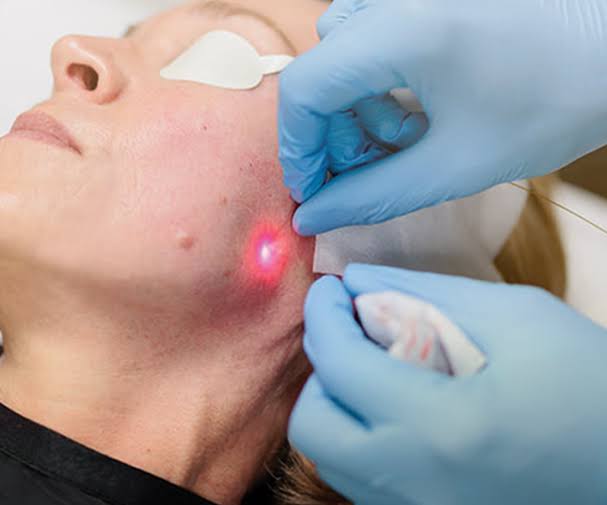
Laser tattoo removal uses controlled light energy to target tattoo pigments beneath the skin. Different wavelengths may be selected according to the colors and characteristics of the ink. The laser energy interacts with the pigment while allowing the surrounding skin to remain the primary focus of the treatment.
Once the pigment is fragmented, the body gradually clears the smaller particles through its natural processes. Because this biological process takes time, the tattoo does not typically disappear instantly. Instead, gradual fading becomes noticeable as the skin progresses through the treatment and recovery cycle.
Why Results Develop Gradually
One of the most important things to know about laser tattoo removal results is that the process is progressive. Immediately after treatment, the tattoo may not look dramatically different. The body needs time to process the fragmented pigment.
The interval between treatment sessions also gives the skin an opportunity to recover and allows the body to continue clearing the targeted ink. Over successive sessions, the tattoo can become progressively lighter. This gradual approach is an important part of achieving a controlled and personalized treatment outcome.
Factors That Influence Tattoo Removal Results
Tattoo removal results can differ considerably from one person to another. Tattoo size is one important consideration because larger designs naturally contain more pigment that needs to be addressed.
Ink color is another significant factor. Certain colors may respond differently to laser energy because pigments absorb specific wavelengths in different ways. Black and darker pigments are often approached differently from brighter colors.
The age of a tattoo can also influence its appearance during removal. Older tattoos may already have experienced some natural fading, while newer tattoos can contain stronger and more concentrated pigment.
The depth of the ink matters as well. Professionally applied tattoos can place pigment deeper into the skin, while other tattoos may have different pigment distributions. These characteristics help determine how the treatment plan is developed.
What Happens During the Fading Process
As treatment progresses, the tattoo may change in several ways. Dark areas can gradually become lighter, while certain colors may fade at different rates. A previously solid-looking design may eventually appear softer and less defined.
The fading process can also make individual details easier to distinguish as the overall pigment concentration decreases. The appearance may continue changing between treatment sessions because the body keeps processing the fragmented ink.
For this reason, judging results too early may not provide an accurate picture of the eventual outcome. Progress is generally better understood by comparing the tattoo over an appropriate period.
Understanding Complete and Partial Removal
Laser tattoo removal can be used with different goals in mind. Some people want substantial fading so that an existing tattoo becomes much less visible. Others may want to reduce the appearance of an old design before replacing or modifying it with another tattoo.
The expected outcome depends on the characteristics of the individual tattoo and the treatment approach. Complete removal may not always occur, and some residual pigment can remain. A realistic treatment plan focuses on progressive improvement rather than promising an identical result for every person.
The Importance of Individual Skin Characteristics
Skin characteristics can influence how laser tattoo removal is approached. Different skin tones require careful consideration when selecting appropriate laser settings and wavelengths. The objective is to target tattoo pigment effectively while taking the surrounding skin into account.
The location of the tattoo can also matter. Areas of the body with different circulation and tissue characteristics may respond at different rates. Tattoos located on certain parts of the body may therefore fade more slowly than tattoos in other locations.
How Tattoo Colors Affect Results
Tattoo colors can respond differently to laser treatment. Dark pigments often interact with laser energy differently from lighter or more complex colors. Multicolored tattoos can therefore require an approach that considers each pigment individually.
Some colors may begin fading noticeably while other sections of the same tattoo remain visible for longer. This can create an uneven appearance temporarily, but continued treatment may gradually reduce the remaining pigment.
How Results Change Over Multiple Sessions
Multiple treatment sessions are commonly used because tattoo pigment is distributed through layers of the skin. A single session may begin the fading process but may not address all visible pigment to the same degree.
As sessions progress, the tattoo can become lighter and less prominent. The number of sessions required varies depending on tattoo size, color, density, age, location, and individual response.
Rather than focusing only on a specific session count, it is more useful to evaluate how the tattoo responds over time. Treatment plans can then be adjusted according to the progress observed.
Setting Realistic Expectations
Realistic expectations are essential when considering laser tattoo removal. The goal is usually progressive fading, and the final appearance can vary significantly between tattoos.
A tattoo that appears simple may contain multiple pigment layers, while a seemingly small design may have dense ink. Conversely, some older or naturally faded tattoos may respond more visibly during the earlier stages.
Understanding these differences can help prevent unrealistic expectations. The most meaningful indicator is usually the gradual reduction in visible pigment over the course of treatment.
Monitoring Your Progress
Tracking changes in the tattoo can help provide a clearer understanding of treatment progress. Comparing photographs taken under similar lighting and from similar angles can make gradual fading easier to recognize.
Changes may be subtle between individual sessions, particularly when the tattoo is already significantly faded. Looking at the overall progression rather than daily changes provides a more accurate perspective.
Professional assessment during the treatment journey can also help determine whether the current approach is producing the desired level of fading.
When Can You See Laser Tattoo Removal Results?
Visible improvement can develop gradually after treatment rather than appearing immediately. The timeline varies according to the tattoo and the individual’s response.
Some tattoos may show noticeable fading during the earlier stages, while others may require several sessions before substantial changes become apparent. The body’s natural pigment-clearing process plays an important role in determining when changes become visible.
Patience is therefore an important part of the process. The appearance of the tattoo can continue changing between sessions as the fragmented pigment is gradually processed.
Can Laser Tattoo Removal Results Be Long Lasting?
When tattoo pigment has been successfully removed or substantially faded, the improvement can be long lasting. The treatment targets existing tattoo pigment rather than simply covering its appearance.
The final result depends on how much pigment can be effectively addressed and how the individual skin responds. Maintaining realistic expectations about residual pigment is important when evaluating long-term outcomes.
What Makes Laser Tattoo Removal Results Different for Everyone?
No two tattoos are exactly alike. Even tattoos created with similar colors and designs can respond differently because pigment depth, ink composition, application technique, body location, and skin characteristics vary.
Individual biological responses can also influence how quickly fragmented pigment is processed. These differences explain why treatment plans and results are personalized rather than identical for everyone.
Conclusion
Understanding laser tattoo removal results involves recognizing that tattoo fading is a gradual process influenced by many individual factors. Laser energy targets tattoo pigment, while the body continues processing the fragmented particles over time. Tattoo color, size, age, pigment depth, location, skin characteristics, and individual response can all affect the overall outcome.
The most realistic approach is to view tattoo removal as a progressive journey rather than an instant transformation. With appropriate treatment planning and realistic expectations, unwanted tattoo pigment can become significantly less visible over time. Evaluating progress across multiple stages provides a clearer picture of how effectively the tattoo is responding.
FAQs
How long does it take to see laser tattoo removal results?
Visible fading can develop gradually after treatment. The timing varies according to tattoo characteristics, treatment approach, and individual response.
Can one session completely remove a tattoo?
A single session generally does not provide complete removal for most tattoos. Multiple sessions may be needed to progressively reduce visible pigment.
Do all tattoo colors respond in the same way?
No. Different pigments can respond differently to laser wavelengths, so some colors may fade faster than others.
Does tattoo age affect laser tattoo removal results?
Tattoo age can influence the starting condition of the pigment. Older tattoos may already have experienced some natural fading, which can affect their treatment response.
Can large tattoos be treated with laser tattoo removal?
Large tattoos can be considered for laser treatment, although their size and pigment density may influence the overall treatment plan and progression.
Why does tattoo fading continue between sessions?
The laser fragments tattoo pigment, and the body gradually processes those smaller pigment particles. This means visible fading can continue after the treatment session.
Are laser tattoo removal results the same for everyone?
No. Results vary because tattoos differ in color, depth, density, size, location, and age, while individual skin characteristics and biological responses also vary.
Can a tattoo become completely invisible after laser removal?
Some tattoos may achieve substantial fading, while others may retain a small amount of visible pigment. The final result depends on the tattoo and individual response.
How can laser tattoo removal progress be evaluated?
Progress can be evaluated by observing changes in pigment intensity and comparing the tattoo’s appearance over time under consistent conditions.
Is patience important during laser tattoo removal?
Yes. The body requires time to process fragmented pigment, so gradual improvement is an important part of understanding the overall treatment process.