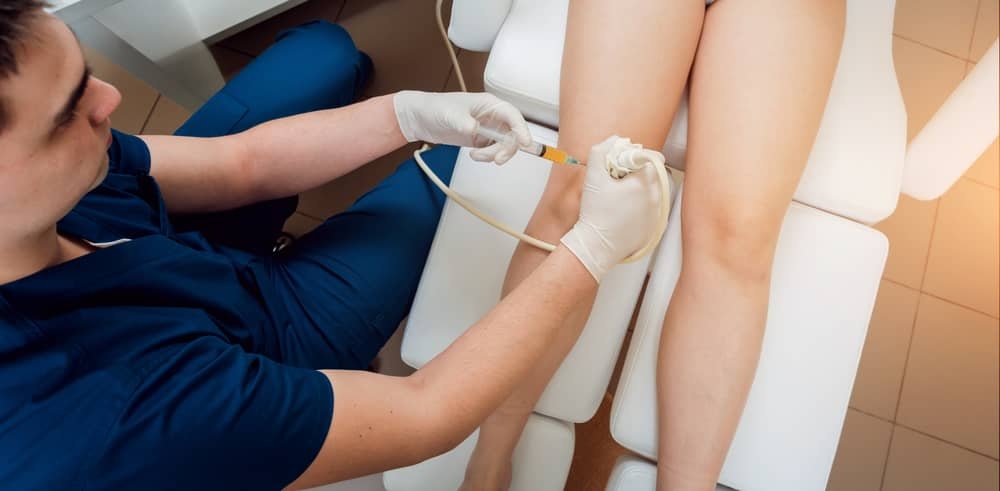
Knee pain can disrupt daily life, making even simple activities like walking, climbing stairs, or sitting uncomfortable. Knowing when to visit a knee management specialist is essential for effective recovery and preventing long-term damage. At Knee Pain Doctor NYC, we emphasize timely intervention and personalized care to address knee problems before they escalate.
What Is a Knee Management Specialist?
A knee management specialist is a medical professional trained in diagnosing, treating, and managing knee conditions. They focus on identifying the root cause of knee pain and providing solutions ranging from physical therapy to minimally invasive procedures. Unlike general practitioners, knee specialists have extensive knowledge of the knee’s anatomy, biomechanics, and treatment options, making them the ideal choice for targeted care.
How Do You Know If Your Knee Pain Requires Professional Attention?
Not all knee discomfort requires a specialist. However, certain symptoms indicate it’s time to seek expert help:
- Persistent pain lasting more than a few weeks
- Swelling or inflammation that does not improve with rest
- Difficulty bending, straightening, or walking
- Clicking, locking, or instability in the knee joint
- Pain following an injury or accident
If any of these symptoms affect your mobility or quality of life, consulting a knee management specialist can provide accurate diagnosis and a tailored treatment plan.
Why Early Intervention Matters
Visiting a knee specialist early can prevent minor injuries from developing into chronic conditions. Early treatment often involves non-invasive approaches such as physical therapy, activity modification, or bracing. At Knee Pain Doctor NYC, we focus on reducing pain and restoring function quickly. Waiting too long to seek help can lead to cartilage deterioration, joint instability, or the need for surgical intervention.
What Treatments Can a Knee Management Specialist Provide?
Knee specialists offer a range of treatments depending on the severity and type of injury or condition. Some of the most common treatments include:
- Physical Therapy and Rehabilitation: Customized exercises strengthen muscles around the knee, improving stability and reducing pain.
- Medication Management: Anti-inflammatory drugs or pain relievers can help manage symptoms while other treatments take effect.
- Minimally Invasive Procedures: Arthroscopy and injections, such as corticosteroids or hyaluronic acid, can relieve pain and improve joint function.
- Surgical Options: In severe cases, knee replacement or ligament repair may be necessary to restore mobility.
These treatments are often combined in a comprehensive care plan tailored to the patient’s unique needs.
When Is Knee Pain Treatment in Long Island Most Effective?
If you are searching for knee pain treatment Long Island, timing is crucial. Early intervention leads to better outcomes, shorter recovery times, and reduced likelihood of long-term complications. Individuals who wait until the pain becomes severe may require more invasive procedures or extended rehabilitation. A consultation with a qualified knee specialist ensures accurate diagnosis and effective treatment.
What Are the Common Causes of Knee Pain?
Understanding the cause of knee pain helps determine the appropriate treatment. Common reasons for knee discomfort include:
- Osteoarthritis: Degeneration of cartilage that leads to stiffness and swelling
- Ligament Injuries: Damage to ACL, MCL, or other ligaments, often from sports or accidents
- Meniscus Tears: Torn cartilage that can cause locking or instability
- Tendonitis: Inflammation of tendons due to overuse
- Bursitis: Inflammation of fluid-filled sacs around the knee
A knee management specialist evaluates symptoms, medical history, and imaging tests to pinpoint the exact cause and create a personalized plan for pain relief.
How Can Lifestyle Changes Support Knee Pain Management?
While professional care is essential, lifestyle changes play a significant role in long-term knee health. Specialists often recommend:
- Maintaining a healthy weight to reduce stress on the knee
- Regular low-impact exercise, like swimming or cycling
- Avoiding activities that exacerbate knee pain
- Strengthening surrounding muscles through targeted workouts
These strategies, combined with professional treatment, enhance recovery and prevent future injuries.
When Should You Consider Surgery?
Surgery is generally a last resort, but in some cases, it’s necessary. Indications for surgical intervention include:
- Persistent pain despite conservative treatments
- Severe joint damage or cartilage loss
- Knee instability causing frequent falls or injuries
- Structural issues that impair mobility
A knee management specialist carefully evaluates these factors and discusses surgical and non-surgical options, ensuring the best decision for each patient.
How to Choose the Right Knee Specialist
Selecting the right knee specialist is critical for effective treatment. Here are some tips:
- Credentials and Experience: Look for board-certified specialists with a history of treating knee conditions.
- Treatment Approach: Choose specialists who offer a range of non-surgical and surgical options.
- Patient Reviews: Positive testimonials and success stories indicate a reliable and compassionate specialist.
- Location: Access to convenient care, such as knee pain treatment Long Island, ensures timely follow-up and rehabilitation.
Knee Pain Doctor NYC is renowned for combining advanced techniques with patient-centered care, helping individuals recover faster and safely.
What to Expect During Your First Visit
Your first consultation with a knee management specialist typically includes:
- Detailed discussion of symptoms and medical history
- Physical examination to assess range of motion, strength, and stability
- Diagnostic tests like X-rays or MRIs to visualize joint structures
- Personalized treatment plan based on findings
This initial evaluation sets the foundation for effective, long-term knee pain management.
Can Knee Specialists Help Prevent Future Injuries?
Absolutely. Beyond treatment, knee specialists focus on prevention. They educate patients on proper movement mechanics, recommend strength-building exercises, and advise on safe activity levels. Preventive strategies reduce the risk of reinjury and promote healthier, pain-free knees for years to come.
Why Timely Care Improves Quality of Life
Chronic knee pain can affect more than mobility—it impacts sleep, work performance, and overall well-being. Seeking help from a knee management specialist improves functionality, reduces discomfort, and restores confidence in daily activities. Early care also minimizes the risk of long-term complications, making it easier to maintain an active lifestyle.
Conclusion: Don’t Delay Your Knee Care
If knee pain is affecting your life, it’s time to act. Consulting a knee management specialist ensures accurate diagnosis, effective treatment, and a roadmap for recovery. Whether through physical therapy, medications, minimally invasive procedures, or surgery, timely intervention can restore comfort and mobility. For residents seeking knee pain treatment Long Island, professional guidance from Knee Pain Doctor NYC can make all the difference. Don’t wait—prioritize your knee health and regain the freedom to move without pain.