
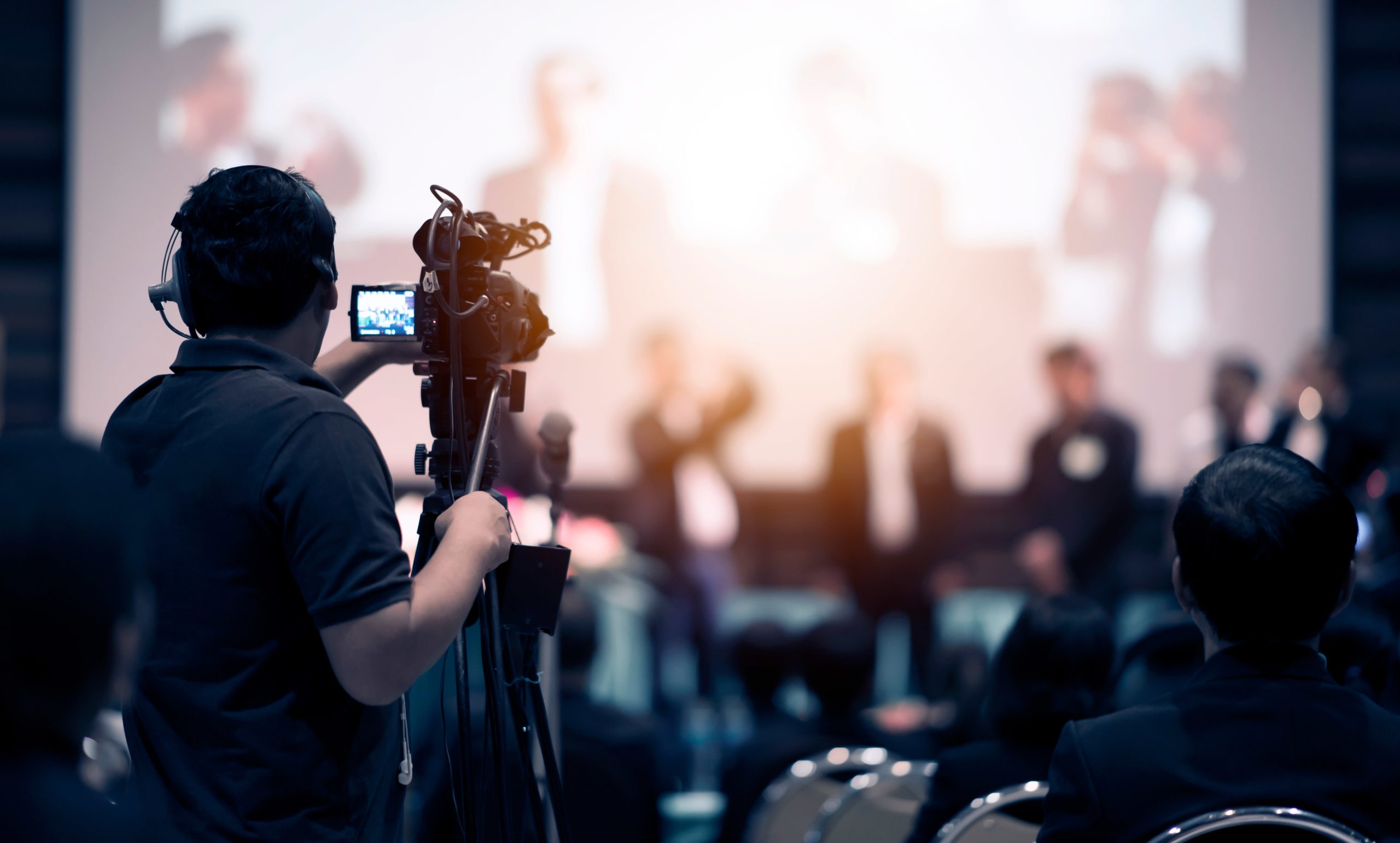
In today’s modern world, everyone wants to reach and have access to others to receive and give about the latest events. Livestreaming ensures your visibility to others. As you’re livestreaming to an online platform, there’s unlimited space for attendees, and your event isn’t limited by a physical capacity. Your event will reach all those people who cannot attend your function due to their busy lives. However, if your streaming is not convincing and of poor quality, it will reduce your visibility to the world. In this blog, we will discuss how to ensure your live streaming is perfect and satisfying.
Step 1: Understanding Live Streaming and Its Benefits
Live streaming is not just about going live and covering an event. It is about creating an experience, and that brings people together across the world. Here are some key benefits.
1. Expand Reach and Accessibility.
Live streaming allows you to connect with a global audience that does not attend your function. It removes the border barrier within your audience.
2. Facilitate Community Interaction
Live chats, polls, and Q&A sessions keep your audience involved throughout the event. This allows live streaming for real-time engagement.
Step 2: Define Your Event and Streaming Purpose
Before starting streaming, first ensure what your event is and what success you are looking for. This clarity guides your every decision, regardless of how complex your event is.
1. Define Your Streaming Goals
Be clear about your purpose of streaming and what you want to achieve. The following should be your common goals.
- Want to grow real-time engagement.
- Looking for monetisation and subscription.
- Building a loyal and respected community.
2. Match Production Complication to Your Goal
Production setup reflects how large your audience size is and what they want from you. Behind every successful streaming is planning, the right equipment and a stable connection.
Planning: This includes event goal, audience targeting, and the platform on which you go live, like YouTube, Facebook and TikTok, etc.
Equipment: It includes Cameras, microphones, lighting, encoders, and streaming software.
Connectivity: Internet speed, backup connections, and response time.
Step 3: Choosing the Right Platform for Streaming
Before live streaming, one of the important things you must consider is choosing the right platform. Different platform has different features and give you different benefits depending on your purpose of streaming and event type.
1. Free vs Paid Platform
If your aim is to host a small event, then a free platform like YouTube, Instagram, TikTok, etc, is the best option. On the other hand, paid platforms like Hubilo offer more features like advanced analytics, branding, and audience engagement than free ones.
2. Customisation and Multi-streaming
Platforms that have customised features like branded ground, custom design, and multi-streaming are the best option for all those companies that want to maximise their reach. Corporate Live Video Streaming offer extensive customisation and multi-streaming options. These features are key for branding, maximising audience reach, and managing content efficiently across multiple platforms.
Step 4. Choosing Essential Equipment for Live Streaming
Great live streaming depends on the equipment you choose for streaming. Your video, audio and setup stability decide the quality of the streaming. Here is what you need.
1. Selecting the Best Camera for Streaming
The quality of the live streaming is decided based on the type of camera chosen. Actually, you want a camera that supports HD or even 4K video resolution, depending on the platform and the quality you need.
Web camera: it is basic but still effective, has 1080p that works well for the smaller and informal events.
DSLR or Mirrorless Cameras: for high-quality streaming, DSLR is the ideal option, which provides much better quality, making stream more appealing.
PTZ (Pan, Tilt, Zoom) Cameras: Ideal for larger spaces or hybrid events where you need to cover various angles and subjects without moving the camera physically.
For smooth incorporation, conference videographers offer both 1080p and 4K options. The choice depends on specific needs, budget, and the intended use of the final video content.
Reliable Microphone and Lighting
Audio quality plays the same role as video, so you need the best quality microphone that delivers sound.
Condenser Microphones: Excellent for stationary hosts who need high audio quality. Condenser mics capture a rich, full-bodied sound and are perfectly suited for webinars, podcasts, or product launches.
USB Microphones: These are plug-and-play and convenient for virtual events where your priority might be portability and simplicity.
On the other hand, lighting also plays a core role in professional streaming. If you avoid it, you get low-quality and unprofessional streaming. You should go for these options.
Ring Lights: These are excellent for providing even lighting and are highly portable.
Softbox Lighting: For more controlled environments, softbox lights diffuse light, reducing harsh shadows and providing professional-grade lighting.
Conclusion
Live streaming is in demand in today’s modern world across many fields like business, sharing your ideas with the world, gaming and many other things. Before streaming, you must be clear about your goal and audience. For quality streaming, you must ensure quality video, audio and the type of camera, etc.

