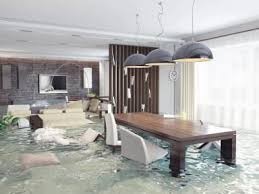
Water damage can strike unexpectedly, whether from a burst pipe, heavy rainfall, or flooding. The aftermath often leaves homeowners and businesses overwhelmed with destruction and the threat of mold. Understanding how water remediation works after water damage is crucial to ensure safety, prevent further property loss, and restore your space effectively. Companies like Ideal Response specialize in this field, providing expert disaster restoration services that guide property owners through every step of recovery.
What Is Water Remediation?
Water remediation refers to the professional process of cleaning, drying, and restoring structures and materials affected by water damage. Unlike simple cleanup, remediation involves specialized equipment, techniques, and knowledge to prevent secondary issues like mold growth, structural weakness, and contamination.
Experts in disaster restoration services assess the severity of the water damage, categorize it based on contamination levels, and implement a structured plan for removal and repair. Ideal Response emphasizes that proper water remediation begins as soon as possible because water can infiltrate walls, floors, and furniture rapidly, increasing the risk of long-term damage.
Why Is Immediate Water Remediation Important?
Time is critical when dealing with water damage. Standing water and excess moisture can cause irreversible damage to materials such as wood, drywall, and insulation. Immediate water remediation:
- Prevents Mold Growth: Mold can begin developing within 24 to 48 hours in wet conditions.
- Protects Structural Integrity: Prolonged water exposure can weaken foundations and support beams.
- Reduces Financial Loss: The quicker the remediation, the lower the cost of repairs and replacements.
- Ensures Health and Safety: Contaminated water can carry bacteria and other harmful pathogens.
By engaging professional disaster restoration services promptly, property owners can minimize these risks and restore their property efficiently.
How Do Professionals Assess Water Damage?
Water remediation always starts with a detailed inspection. Experts identify the source of water, the affected areas, and the type of water involved. Water is generally categorized into three classes:
- Clean Water: From sinks, faucets, or rain; poses minimal contamination risk.
- Gray Water: From washing machines, dishwashers, or toilets with minor contamination.
- Black Water: Highly contaminated water from sewage or floodwaters; requires extensive safety precautions.
During the assessment, Ideal Response technicians use moisture meters, thermal imaging, and humidity sensors to detect hidden water in walls, floors, and ceilings. This thorough evaluation ensures that the remediation plan addresses both visible and invisible damage.
What Are the Steps Involved in Water Remediation?
Effective water remediation involves a systematic process to restore the property. Professionals follow these key steps:
- Water Removal and Extraction
Using industrial-grade pumps and vacuums, experts remove standing water. Quick extraction reduces water absorption into floors, walls, and furniture, which is critical to prevent permanent damage.
- Drying and Dehumidification
After extraction, professionals deploy air movers and dehumidifiers to eliminate moisture from hard-to-reach areas. Drying techniques vary depending on the structure and materials. For example, hardwood floors may require controlled airflow to prevent warping.
- Cleaning and Sanitizing
Water intrusion can leave behind dirt, bacteria, and contaminants. Technicians clean and sanitize surfaces, including walls, furniture, and personal items. Specialized cleaning agents are applied to prevent mold growth and eliminate pathogens, especially in cases of gray or black water damage.
- Mold Remediation
Mold spores thrive in damp conditions. Experts inspect for mold and use containment, air filtration, and antimicrobial treatments to remove it. Early mold remediation prevents respiratory issues and long-term structural damage.
- Repair and Restoration
After the water is removed and the area is thoroughly dried, the final step is restoration. This may include replacing drywall, refinishing floors, repainting walls, or repairing structural components. The goal is to return the property to its pre-damage condition.
How Does Technology Enhance Water Remediation?
Modern water remediation relies heavily on technology. Moisture detection tools, thermal imaging cameras, and industrial-grade dehumidifiers allow professionals to locate hidden water and dry structures efficiently.
Disaster restoration services also use antimicrobial treatments and advanced air purification systems to eliminate mold spores and bacteria. These innovations improve safety, reduce restoration time, and increase the overall effectiveness of the remediation process.
What Role Does Professional Expertise Play in Water Remediation?
Attempting water remediation without professional help can be risky. Experts understand the different types of water damage, the correct drying techniques, and safety protocols needed for contaminated water.
Ideal Response trains its technicians to handle all levels of water intrusion. Their team evaluates the severity, selects the appropriate equipment, and executes a restoration plan tailored to each property. Professional expertise ensures that remediation is thorough and prevents recurring issues such as mold or structural damage.
Can Water Remediation Save Your Property?
Yes, timely and professional water remediation can save property from permanent damage. By addressing water issues quickly, homeowners and business owners reduce repair costs, prevent mold infestations, and preserve the value of their property.
Neglecting water damage, even small leaks, can escalate into severe problems that require major repairs. Engaging a trusted disaster restoration services company like Ideal Response ensures that every step—from assessment to final restoration—is handled efficiently.
How Do You Choose the Right Water Remediation Service?
Selecting a reliable water remediation company involves considering several factors:
- Experience and Certification: Look for licensed professionals with proven expertise in water damage restoration.
- Emergency Response: Quick response times are critical, especially for severe flooding.
- Advanced Equipment: The company should use industrial-grade extraction and drying equipment.
- Customer Reviews: Positive feedback and testimonials indicate dependable service.
- Comprehensive Services: Choose a provider that handles assessment, remediation, mold prevention, and restoration.
Ideal Response meets all these criteria, offering swift, professional, and comprehensive solutions for water damage recovery.
What Preventive Measures Can Protect Against Future Water Damage?
While water remediation addresses current issues, preventing future damage is equally important. Homeowners and businesses can:
- Inspect plumbing regularly for leaks.
- Maintain gutters and drainage systems to prevent overflow.
- Install sump pumps and water alarms in vulnerable areas.
- Seal basements and foundations to prevent seepage.
- Conduct routine property inspections, especially after storms.
Combining proactive measures with access to professional disaster restoration services ensures long-term protection against water damage.
Conclusion: Why Water Remediation Is Essential
Water damage can be destructive, but timely and professional water remediation provides an effective solution. By understanding the process—from assessment and water extraction to drying, cleaning, and restoration—property owners can protect their investment, maintain structural integrity, and ensure a safe living or working environment.
Companies like Ideal Response specialize in complete disaster restoration services, offering expertise, advanced technology, and fast response times. Investing in professional water remediation not only restores your property but also provides peace of mind that it is safe, healthy, and fully functional again.