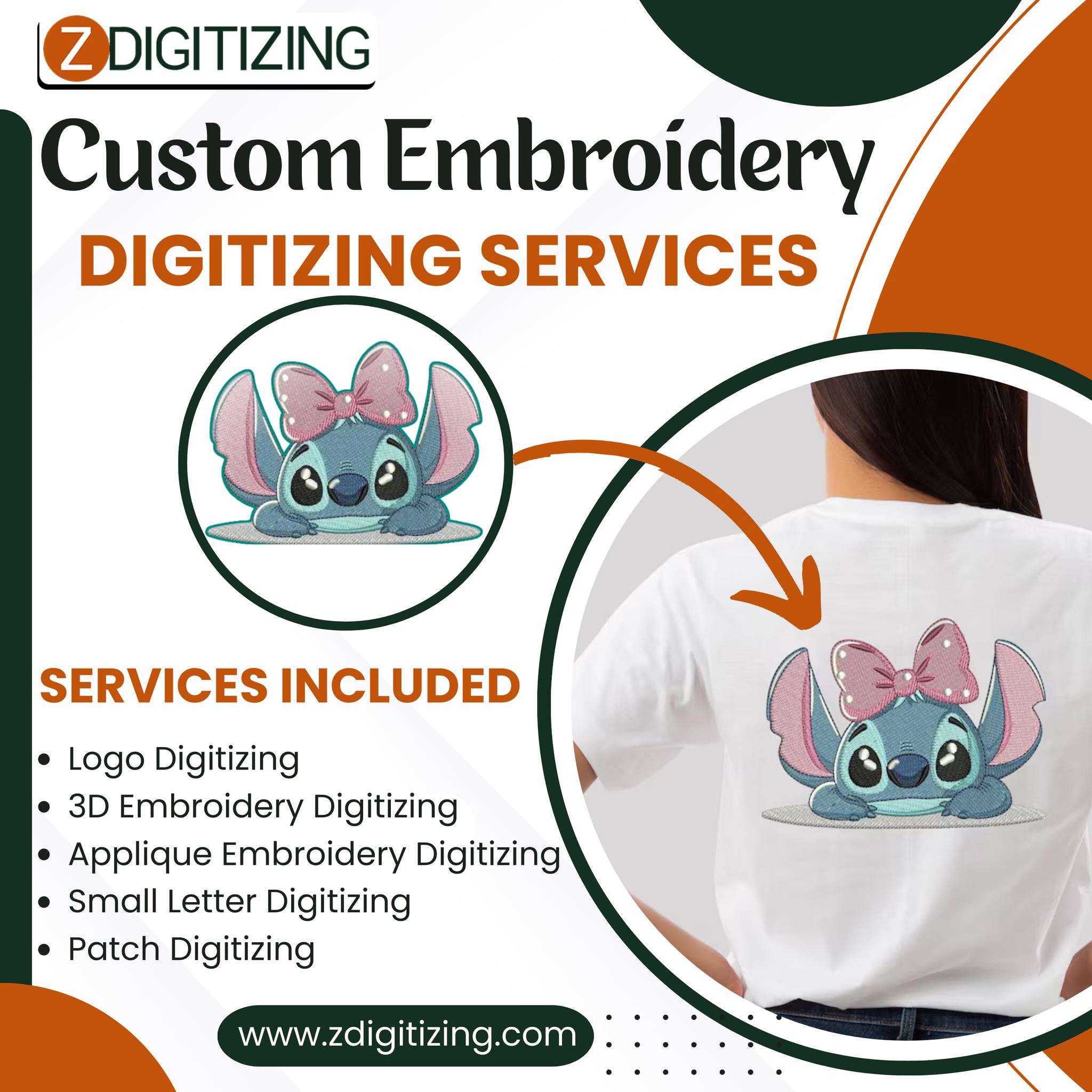
Logo digitizing is a critical step in the embroidery process, directly influencing how a design appears once stitched onto fabric. From company uniforms and promotional merchandise to retail apparel, embroidered logos require precision, consistency, and durability.
Even a well-designed logo can lose clarity if the digitizing process lacks technical accuracy. This makes choosing the best logo digitizing services an important decision for businesses and embroidery professionals.
High-quality logo digitizing ensures that artwork is converted into embroidery files that perform reliably on machines while maintaining the original design’s structure and readability across different fabrics.
What Are Logo Digitizing Services?
Logo digitizing services convert artwork, logos, or text into embroidery-ready digital files. These files instruct embroidery machines on stitch type, stitch direction, stitch density, sequencing, and underlay placement. The accuracy of this information determines how smoothly the embroidery process runs and how the final logo appears on fabric.
Professional digitizing services rely on manual digitizing rather than automated software. Skilled digitizers analyze each design carefully, making precise adjustments to ensure the embroidery runs efficiently and produces consistent results.
Why Choosing the Best Logo Digitizing Services Matters
Embroidery quality depends more on digitizing than on the machine itself. Poor digitizing often leads to thread breaks, fabric puckering, uneven stitches, and misaligned designs. High-quality digitizing services focus on embroidery performance as well as visual accuracy.
Reliable digitizing preserves logo proportions, improves stitch flow, and ensures that details remain clear at different sizes. This level of consistency is especially important for brands managing repeat orders or large-scale production.
Key Features of High-Quality Logo Digitizing Services
The best logo digitizing services are defined by experience, technical skill, and attention to embroidery fundamentals. Quality services typically include:
- Manual digitizing customized for each logo
- Balanced stitch density to prevent fabric damage
- Accurate stitch direction for smooth embroidery flow
- Strong underlay stitching for stability
- Adjustments based on fabric type and placement
These elements help ensure that logos stitch cleanly and maintain their appearance over time.
Benefits of Professional Logo Digitizing
Investing in professional logo digitizing offers long-term value for embroidery businesses and brands. Proper digitizing reduces production errors and improves efficiency while delivering visually consistent results.
Key benefits include reliable embroidery across multiple garments, fewer thread breaks, improved durability, faster production cycles, and reduced material waste. High-quality digitizing also supports brand credibility by producing clean, well-defined embroidery that reflects attention to detail.
Problems Caused by Low-Quality Digitizing
Low-quality digitizing often creates avoidable issues during embroidery. Excessive stitch density can damage fabric, while poor sequencing and weak underlay may cause puckering or uneven tension. Misalignment and lack of compensation can further affect the final appearance of the logo.
The best logo digitizing services address these challenges during the digitizing stage, preventing costly corrections during production.
Logo Digitizing for Different Fabric Types
Different fabrics require different digitizing approaches. Cotton, polyester, fleece, caps, and performance materials all react differently to stitching. Experienced digitizers adjust stitch density, underlay, and stitch types to suit each fabric.
This adaptability helps maintain logo clarity and structure while reducing embroidery issues. Businesses offering a wide range of embroidered products benefit greatly from this level of customization.
Consistency and Scalability for Growing Businesses
Consistency is essential for brands handling frequent or bulk embroidery orders. Professional logo digitizing services apply standardized digitizing practices to ensure logos remain uniform across different garments and production runs.
This consistency supports brand recognition and helps businesses meet customer expectations without sacrificing quality.
How to Identify the Best Logo Digitizing Services
When evaluating digitizing providers, quality should be the top priority. Strong services demonstrate embroidery knowledge rather than relying solely on software.
Reliable providers typically offer experienced human digitizers, support for complex designs, revision options, compatibility with multiple embroidery formats, and clear communication throughout the process. These qualities indicate a service focused on long-term results rather than short-term output.
Final Thoughts
The best logo digitizing services form the foundation of successful embroidery. By combining technical expertise, practical embroidery knowledge, and careful attention to detail, professional digitizers create files that perform consistently during production.
Choosing high-quality digitizing services allows businesses and embroidery professionals to achieve cleaner stitching, dependable results, and long-lasting embroidered logos. Quality digitizing is not an extra step it is an essential part of producing reliable embroidery.
Frequently Asked Questions (FAQs)
What makes professional logo digitizing better than auto-digitizing?
Professional digitizing involves manual adjustments that improve stitch flow, fabric compatibility, and overall embroidery quality, which automated software often cannot achieve.
Can logo digitizing be adjusted for different fabrics?
Yes, experienced digitizers customize stitch density, underlay, and stitch types to suit different fabric materials.
Is high-quality digitizing important for bulk embroidery orders?
Yes, consistent digitizing helps maintain uniform logo appearance across large production runs and reduces machine-related issues.
Does good digitizing reduce embroidery machine problems?
Accurate digitizing improves stitch sequencing and tension control, which helps reduce thread breaks and production delays.