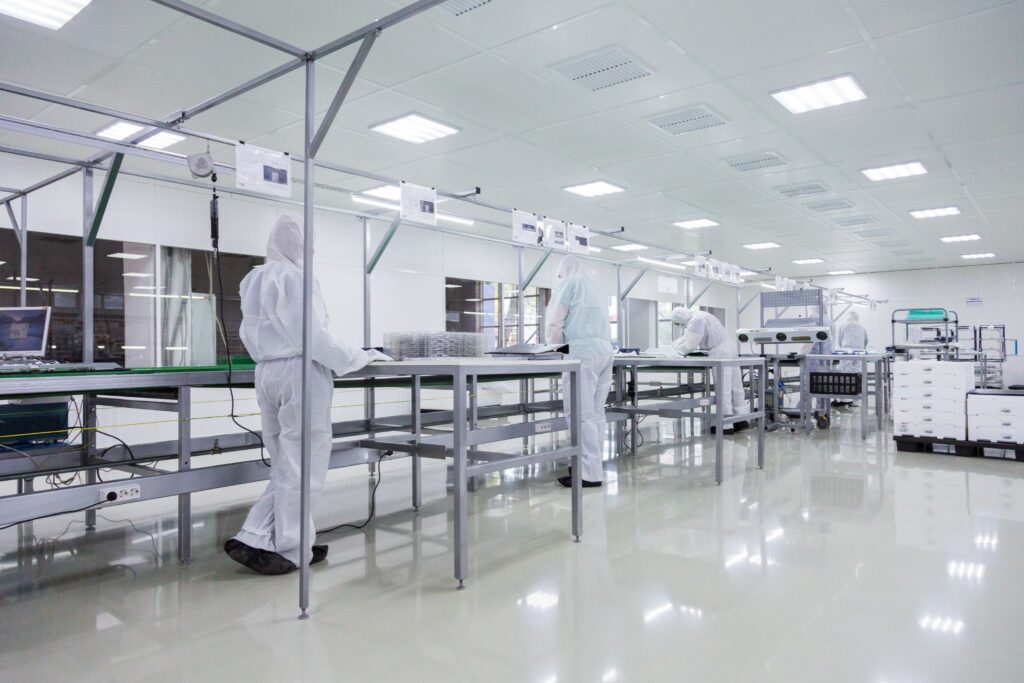
Modern laboratories are no longer static spaces designed for a single purpose. They are dynamic environments that must adapt to evolving research needs, safety regulations, and technological advancements. As laboratories expand their scope—handling diverse chemicals, instruments, and workflows—the demand for flexible, efficient, and safe infrastructure has grown significantly. Two elements that play a critical role in meeting these demands are Modular Laboratory Furniture and Chemical Storage Cabinets.
This article explores how these two components support productivity, safety, and long-term operational efficiency in contemporary laboratory environments, while addressing the practical challenges faced by researchers, technicians, and facility planners.
Understanding Modular Laboratory Furniture in Modern Labs
Modular laboratory furniture refers to lab furnishings designed as independent, customizable units that can be assembled, rearranged, or expanded as requirements change. Unlike fixed furniture, modular systems provide adaptability without compromising structural strength or functionality.
Flexibility for Evolving Laboratory Needs
Laboratories frequently undergo changes due to new experiments, upgraded equipment, or revised workflows. Modular laboratory furniture allows these transitions to occur smoothly. Workbenches, shelving, sink units, and storage modules can be repositioned or replaced without major structural changes, reducing downtime and renovation costs.
Efficient Space Utilization
Space is a valuable asset in any laboratory. Modular furniture enables better planning and layout optimization, ensuring that available floor space is used efficiently. Compact configurations can be adopted for smaller labs, while larger facilities can scale up by adding new modules when needed.
Support for Diverse Laboratory Functions
Different laboratory disciplines—such as chemical analysis, biological research, or quality testing—require varied setups. Modular systems can be customized to support specific activities, including wet lab work, dry lab tasks, and instrument-heavy operations, all within the same facility.
Ergonomics and Productivity Through Modular Design
Laboratory professionals often spend long hours performing precise tasks. Poorly designed furniture can lead to fatigue, inefficiency, and even workplace injuries.
Improved User Comfort
Modular laboratory furniture can be designed with ergonomic principles in mind. Adjustable work surfaces, accessible storage heights, and properly positioned utilities help reduce physical strain and improve overall comfort during extended working hours.
Streamlined Workflow
Well-planned modular layouts enhance workflow efficiency by minimizing unnecessary movement. Researchers can access tools, chemicals, and equipment easily, allowing them to focus more on their work and less on navigating the lab.
Adaptation to Technology Integration
Modern laboratories rely heavily on advanced instruments and digital systems. Modular furniture accommodates power supply points, data connections, and equipment mounts, ensuring seamless integration without clutter or safety risks.
The Critical Role of Chemical Storage Cabinets
Chemical storage cabinets are essential for maintaining safety and compliance in laboratories that handle hazardous substances. These cabinets are specifically designed to store chemicals securely, preventing accidents, contamination, and environmental harm.
Safe Containment of Hazardous Materials
Chemicals can pose risks such as fire, corrosion, toxicity, or reactivity. Chemical storage cabinets are constructed using materials that resist chemical damage and help contain spills or leaks, protecting both personnel and the laboratory environment.
Separation and Compatibility Management
Not all chemicals can be stored together safely. Cabinets allow laboratories to segregate incompatible substances, reducing the risk of dangerous reactions. Proper organization also makes inventory management more efficient and reliable.
Enhanced Emergency Preparedness
In the event of a spill, fire, or exposure incident, properly designed chemical storage cabinets help limit the spread of hazardous materials. This containment plays a vital role in minimizing damage and ensuring faster emergency response.
Compliance and Safety Standards in Laboratory Storage
Laboratories operate under strict safety regulations and guidelines to protect workers and ensure responsible handling of chemicals.
Supporting Regulatory Compliance
Chemical storage cabinets are designed to align with safety standards related to chemical handling and storage. Using appropriate cabinets helps laboratories meet inspection requirements and avoid penalties or operational disruptions.
Reducing Workplace Accidents
Proper storage significantly reduces the likelihood of accidental spills, exposure, or misuse of chemicals. Clearly labeled cabinets and organized storage systems contribute to a safer working environment.
Promoting a Culture of Safety
When laboratories invest in dedicated chemical storage solutions, it reinforces the importance of safety among staff. This proactive approach encourages responsible behavior and consistent adherence to safety protocols.
Integration of Furniture and Storage for Optimal Lab Design
The true efficiency of a laboratory emerges when modular laboratory furniture and chemical storage cabinets are integrated thoughtfully within the overall design.
Balanced Layout Planning
Strategic placement of storage cabinets near workstations reduces the need to transport hazardous materials across the lab. Modular furniture allows this layout to be adjusted as storage needs evolve.
Customization Without Compromise
Integration does not mean sacrificing flexibility. Modular systems allow chemical storage cabinets to be incorporated seamlessly, ensuring safety without limiting future reconfiguration options.
Scalability for Growing Laboratories
As laboratories expand their research scope or staff size, integrated modular solutions make it easier to scale operations. Additional storage cabinets and furniture modules can be added without disrupting existing workflows.
Durability and Long-Term Cost Efficiency
Investing in laboratory infrastructure is a long-term decision that impacts operational costs and maintenance requirements.
Robust Construction for Demanding Environments
Modular laboratory furniture and chemical storage cabinets are built to withstand exposure to chemicals, moisture, and heavy use. Durable materials ensure consistent performance over time.
Lower Maintenance and Replacement Costs
Because modular systems allow individual components to be repaired or replaced, laboratories can avoid the expense of full-scale renovations. This modularity translates into significant cost savings over the lifecycle of the lab.
Sustainable Use of Resources
Reconfigurable furniture reduces waste by extending the usability of existing components. Instead of discarding outdated layouts, laboratories can adapt their current setup to meet new demands.
Supporting Collaboration and Modern Research Practices
Today’s laboratories often emphasize collaboration, interdisciplinary research, and shared facilities.
Encouraging Team-Based Work
Modular laboratory furniture enables open layouts that foster communication and teamwork while still maintaining defined work zones. Storage cabinets can be positioned to serve multiple users efficiently.
Adapting to Multi-User Environments
Shared laboratories benefit from modular solutions that accommodate different research groups. Chemical storage cabinets ensure that each group can store materials safely without interference.
Future-Ready Laboratory Design
With research methods constantly evolving, modular systems provide a future-ready foundation. Laboratories can adapt to new technologies, safety standards, and research priorities without starting from scratch.
Conclusion
The importance of Modular Laboratory Furniture and Chemical Storage Cabinets extends far beyond aesthetics or convenience. Together, they form the backbone of a safe, efficient, and adaptable laboratory environment. Modular furniture offers flexibility, ergonomic support, and scalability, while chemical storage cabinets ensure safety, compliance, and responsible chemical management.
By integrating these elements thoughtfully, laboratories can enhance productivity, reduce risks, and prepare for future growth. In an era where research demands are constantly changing, investing in adaptable and secure laboratory infrastructure is not just a practical choice—it is a strategic necessity.