

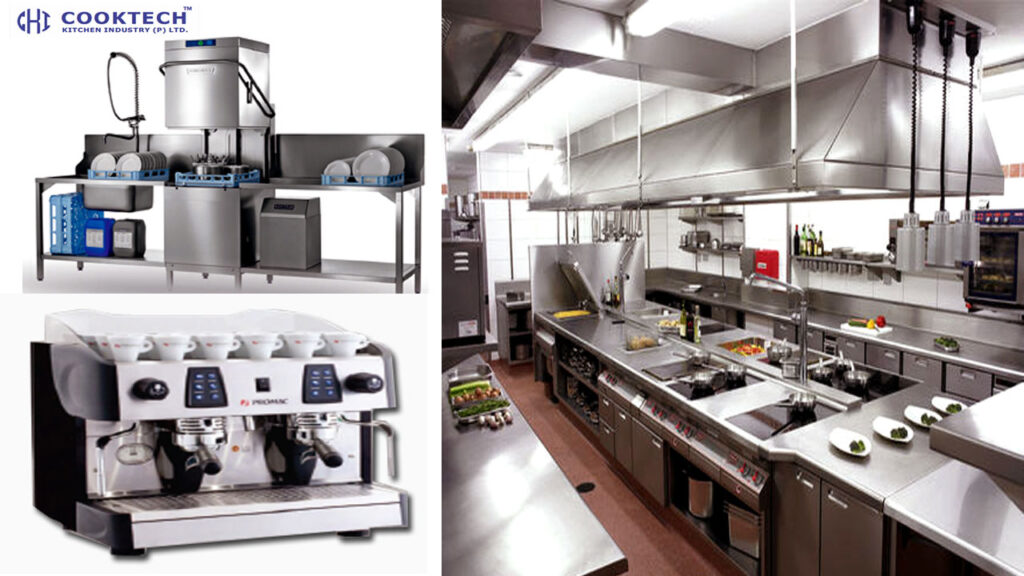
Starting and running a successful food business requires careful planning, and one of the most crucial aspects to consider is the kitchen. Whether you’re opening a restaurant, catering service, bakery, or any other food-related business, having the right commercial kitchen equipment is essential for smooth operations, food safety, and customer satisfaction. Here’s a list of the essential commercial kitchen equipment every food business needs to function efficiently.
1. Cooking Equipment
Every commercial kitchen needs reliable cooking equipment to prepare dishes efficiently and safely. Here are the must-have items:
- Ranges and Ovens: These are the core of most kitchens. A commercial range with multiple burners allows chefs to cook a variety of dishes simultaneously, while ovens come in different types (convection, conventional, pizza, or combi-ovens) to suit various cooking needs.
- Fryers: For businesses that specialize in fried foods, a commercial fryer is essential. Deep fryers come in countertop or floor models and are designed for high-volume use, ensuring consistency and efficiency.
- Grills and Griddles: Whether you’re cooking burgers, steaks, or pancakes, a commercial grill or griddle is essential for high-heat cooking. They come in flat or ridged versions, depending on the type of food you’re preparing.
- Steamers: For steaming vegetables, fish, or dumplings, steamers offer a healthier way to cook. They also help retain the nutritional value of food.
2. Refrigeration Units
Proper refrigeration is critical for food safety, and a reliable refrigeration system is non-negotiable for any food business.
- Refrigerators and Freezers: Commercial refrigerators and freezers provide ample space to store perishable ingredients and pre-prepared dishes. They come in upright, under-counter, and walk-in varieties, depending on the space and storage requirements.
- Prep Tables with Refrigeration: These combine a prep area with refrigerated storage beneath, ideal for quick access to ingredients that need to be kept cool.
3. Food Preparation Equipment
Food prep is the foundation of any dish, and having the right tools speeds up the process, ensuring consistency and quality.
- Food Processors: Essential for chopping, slicing, dicing, and pureeing, food processors save valuable time and ensure even consistency.
- Mixers: For bakeries, restaurants, and catering services, a commercial mixer is a must-have for mixing dough, batter, or sauces.
- Cutting Boards and Knives: A variety of cutting boards (color-coded for different food types) and sharp knives are crucial for safe and efficient food prep.
- Blenders and Immersion Blenders: Useful for smoothies, soups, and sauces, blenders are essential in many commercial kitchens.
4. Storage and Shelving
Efficient storage ensures that your kitchen remains organized and that ingredients are stored in optimal conditions.
- Shelving Units: Sturdy, adjustable shelves help store dry ingredients, utensils, and kitchen tools. Metal shelves are popular for their durability and easy cleaning.
- Ingredient Bins and Containers: Proper storage containers are vital for keeping ingredients fresh and accessible, while also helping with portion control.
- Pantry Storage: A dedicated pantry area is crucial for larger operations, where bulk dry ingredients, spices, and canned goods need to be stored.
5. Cleaning and Sanitation Equipment
Food safety is a priority, and proper cleaning and sanitation equipment ensures a safe working environment.
- Dishwashers: A commercial dishwasher can handle high volumes of dishes, utensils, and cooking equipment. It saves time and ensures a high standard of cleanliness.
- Sinks: A three-compartment sink is essential for washing, rinsing, and sanitizing dishes and utensils. Additionally, hand sinks for employees are a must for food safety compliance.
- Garbage Disposal: A commercial-grade garbage disposal unit helps in quickly disposing of food waste and prevents clogging and unpleasant odors.
6. Ventilation Systems
Commercial kitchens produce a lot of heat, smoke, and odors. A proper ventilation system is necessary to maintain air quality and ensure the kitchen remains comfortable and safe for staff.
- Exhaust Hoods: Exhaust hoods are essential for venting smoke, steam, and odors created by cooking. They also help keep the kitchen cool and prevent grease buildup.
- Make-Up Air Systems: These systems work with exhaust hoods to ensure proper airflow and balance, keeping the kitchen properly ventilated.
7. Serving Equipment
Once the food is prepared, having the right serving equipment helps present dishes attractively and efficiently.
- Serving Trays and Platters: Essential for serving food in a professional manner, trays, and platters ensure dishes are presented well and are easy to transport from the kitchen to the dining area.
- Heat Lamps and Food Warmers: These keep food at the optimal temperature for serving, ensuring that dishes arrive at the table hot and fresh.
8. Point of Sale (POS) System
While not technically part of the kitchen, a reliable POS system is essential for taking orders, managing payments, and tracking inventory.
- POS Systems: These help with order taking, billing, and inventory management. A modern POS system integrates with other restaurant management tools, offering real-time data on sales, customer preferences, and stock levels.
9. Small Equipment
Small equipment makes various kitchen tasks more manageable, such as:
- Thermometers: Ensuring food is cooked to the correct temperature is essential for food safety.
- Timers: A must-have for keeping track of cooking and baking times.
- Tongs, Spatulas, and Ladles: These tools help with cooking, serving, and portioning.
Conclusion
Outfitting your commercial kitchen with the right equipment is vital to running a successful food business. From cooking appliances to refrigeration units, and storage solutions to cleaning tools, having quality and reliable equipment ensures your kitchen runs smoothly, safely, and efficiently. Invest in top-tier commercial kitchen equipment to streamline your operations, boost productivity, and create an environment where food quality and customer satisfaction take center stage.


