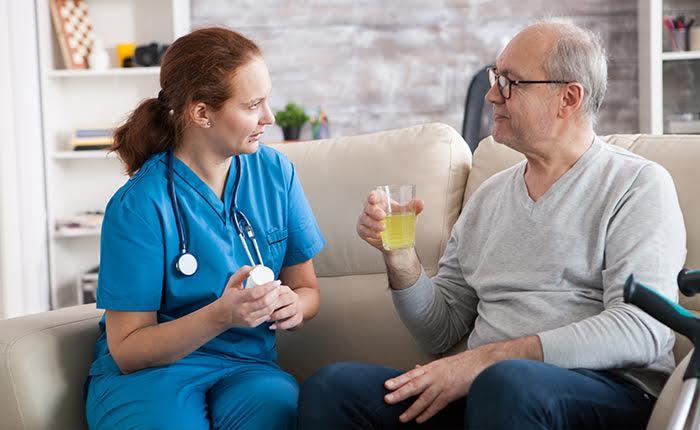
Recovering from surgery can be a challenging experience, requiring continuous care, monitoring, and emotional support. Home nurses play a critical role in facilitating a smooth and safe recovery process. When combined with a doctor at home, patients benefit from professional medical supervision alongside personalized nursing care, all within the comfort of their own homes. This approach not only speeds up recovery but also reduces complications, minimizes hospital readmissions, and enhances overall well-being.
Personalized Post-Surgery Care:
Home nurses provide tailored care plans designed to meet the specific needs of each surgical patient:
- Monitoring vital signs and surgical sites for signs of infection or complications
- Administering medications and pain management treatments
- Assisting with mobility and gentle exercises to promote circulation
- Adjusting care routines based on patient progress and comfort
- Educating patients and families on post-surgery precautions and recovery strategies
Wound Care and Infection Prevention:
Proper wound care is essential for reducing infection risks and promoting faster healing:
- Cleaning and dressing surgical wounds using sterile techniques
- Monitoring for redness, swelling, or unusual discharge
- Changing bandages according to medical instructions
- Teaching patients and caregivers proper hygiene practices
- Coordinating with a doctor at home if complications arise
Assistance with Daily Activities:
Post-surgery recovery often requires support with routine activities that patients may find challenging:
- Helping with bathing, dressing, and personal hygiene
- Assisting with meal preparation and dietary requirements
- Supporting mobility and safe transfer from bed to chair
- Encouraging light exercises to prevent stiffness and promote circulation
- Ensuring a safe home environment to prevent falls or injuries
Pain Management and Medication Adherence:
Managing pain and medications is crucial for optimal recovery after surgery:
- Administering prescribed pain relief and monitoring effectiveness
- Educating patients on proper medication schedules and side effects
- Adjusting pain management strategies under medical guidance
- Coordinating with a doctor at home for changes in prescriptions
- Providing reassurance and emotional support during recovery
Emotional Support and Mental Well-Being:
Recovery is not only physical but also mental, and home nurses address emotional needs:
- Offering companionship to reduce feelings of isolation
- Encouraging positive routines and mental engagement
- Supporting patients coping with post-surgical stress or anxiety
- Facilitating family involvement to boost morale
- Providing guidance on relaxation techniques and self-care practices
Coordination with Healthcare Providers:
Home nurses serve as a vital link between patients and their healthcare team:
- Updating doctors on patient progress and concerns
- Communicating changes in vital signs or wound conditions
- Scheduling follow-up visits and diagnostic tests
- Implementing instructions from a doctor at home promptly
- Ensuring seamless continuity of care between home and hospital
Technology Integration in Home Nursing:
Technology enhances the efficiency and quality of post-surgery home care:
- Telehealth consultations for follow-ups and doctor instructions
- Mobile apps for monitoring recovery progress and scheduling visits
- Wearable devices to track vital signs remotely
- Digital health records for real-time communication with medical teams
- Online resources for patient education and self-care guidance
Safety and Emergency Preparedness:
Home nurses prioritize patient safety and are trained to respond to emergencies:
- Monitoring for post-surgical complications such as infections or blood clots
- Implementing fall prevention strategies and safe mobility practices
- Maintaining emergency contact protocols with doctors and hospitals
- Ensuring proper use of medical equipment at home
- Providing guidance for immediate actions if urgent issues arise
Benefits for Families and Caregivers:
Home nursing care also alleviates stress for families and caregivers:
- Reduces the burden of round-the-clock care responsibilities
- Provides expert guidance for assisting with recovery tasks
- Ensures peace of mind through professional monitoring
- Allows families to focus on emotional support rather than technical care
- Enhances the overall quality of recovery for the patient
Final Thoughts:
Home nurses are indispensable for improving recovery after surgery by delivering personalized care, wound management, emotional support, and coordination with medical professionals. When combined with a doctor at home, this approach ensures comprehensive, continuous supervision, reducing complications and promoting faster healing. Patients benefit from receiving care in the comfort and safety of their own homes, while families experience reduced stress and increased confidence in the recovery process. Home nursing care represents a modern, patient-centered solution that transforms surgical recovery into a safer, more comfortable, and more efficient experience.