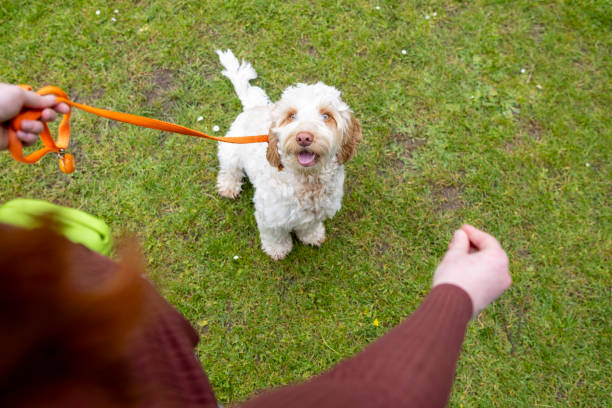
Ever wish walks felt lighter, calmer, actually fun? You’re not alone. A few small habits change everything, because dogs love clear patterns. This guide shares real-world tricks you can try today—no fancy gear, no drama. And yes, these tips are ideal for busy streets and busy lives. If you’re doing on leash dog training in Los Angeles County CA, these will help you weave through crowds, scooters, and sidewalk chaos with less pulling and more peace.
Start Strong: The “Ready” Routine with On-Leash Dog Training in Los Angeles County CA
Before the door opens, set the tone because the first 30 seconds shape the whole walk.
- Clip the leash.
- Ask for a seat or a quiet stand.
- Say a simple cue: “Ready?”
- Count to two. Then move.
If your dog pops up early, pause. Try again. It’s not punishment; it’s clarity. Also, keep your tone light. Dogs feel our energy, and a calm start pays off outside. However, consistency matters more than pressure. Do it every time, even for quick potty breaks. Over the course of a week, you’ll notice the pace change. Therefore, your dog learns: stillness opens doors.
The Loose-Leash “J” Walk
Picture the leash making a soft “J.” That droop is your goal because a tight leash tells your dog to pull harder, instead of letting the slack.
Here’s the micro-game: step, step, treat by your leg when the leash stays loose. Meanwhile, keep treats tiny and frequent at first. Even so, fade them slowly once your dog gets it.
City tip: Add short “practice lanes” on quiet blocks. And yes, for on-leash dog training in Los Angeles County CA, plan routes with wider sidewalks early on. You’re stacking easy wins before tackling crowds.
Red Light, Green Light (Walks with Brakes)
This one’s simple. Leash tight? Red light. Leash loose? Green light. Dogs catch on fast because movement is a vast reward.
- Tight leash → stop, breathe, reset.
- Leash loosens → mark it (“yes!”) and walk.
- Repeat. Often.
It feels slow on Day 1. However, you’re teaching a rule your dog can’t miss. The world moves when the leash is slack. Therefore, pulling stops working. Also, use your voice. Calm and clear beats loud every time. After a few walks, your dog starts checking the leash independently. That’s the shift.
The Reward Zone: Treats Where You Want Them
Decide where you want your dog. The left side of your knee is classic. Because we get what we reward, pay them there. Hand dips by your leg—tiny treat. Keep walking. Mark the moment when your dog appears in that spot.
Try this 60-second drill:
- Stand still.
- Feed three treats at your knee.
- Take two steps. Feed one.
- Take four steps. Feed one.
- Repeat.
Meanwhile, change it up. Turn left sometimes. Turn right. Even so, always pay in the same place. Your dog learns the “sweet spot” like a magnet. It’s pretty magical, and it works for on-leash dog training in Los Angeles County CA, where distractions hit from all sides.
Pattern Games: “1-2-3” and Look-At-That
Patterns reduce chaos. Therefore, use them when the world gets busy.
1-2-3 Game (builds momentum):
Say “one… two… three,” delivering a treat at “three” by your leg as you walk. Repeat the count while moving. However, stretch the steps between numbers as your dog settles.
Look-At-That (defuses triggers):
Does a dog glance at a skateboard? Mark “yes,” treat. Because noticing calmly is the behavior you want, also, keep a distance at first. Then inch closer over days, not minutes. Even so, bail out early if your dog stiffens. Your exit is still training.
The Check-In Cue: Name Means “Heads Up”
A check-in is a glance in your direction. It’s tiny, but huge. Start indoors. Say your dog’s name once. When they glance, mark, and treat. Then add it to walks.
Because noise levels climb, keep rewards sweet and fast. Also, avoid repeating the name like background music—one cue is enough. Then wait. If you get nothing, take two steps back on difficulty. Meanwhile, pay attention to every check-in when heavy distractions arise. For on-leash dog training in Los Angeles County CA, you’ll use this near crosswalks, patios, and school pick-ups. It becomes your steering wheel.
The Emergency U-Turn (Your Quiet Escape)
Stuff happens—a loose dog bolts toward you. A loud truck bangs a dolly. You need out—now. Teach an easy U-turn cue at home first: “This way!”
- Say “this way!”
- Step around in a slight arc.
- Feed three rapid treats as you move.
- Keep walking in the new direction.
Practice on quiet streets before you need it. Because muscle memory beats panic, also, keep it upbeat. No dragging. Just turn, feed, and go. Even so, if your dog freezes, add space first, then try again. This move saves a thousand awkward moments.
Distraction Ladder: Distance, Duration, Density
When things get hard, break them down. Think of three D’s.
- Distance: How far from the trigger?
- Duration: How long your dog must hold it together.
- Density: How many distractions at once?
Start easy: longer distance, short duration, low density. Therefore, you control the dial. As your dog succeeds, nudge the dial up one notch. Meanwhile, keep the others low. Even so, if your dog starts forging ahead or barking, dial back. Success should feel boring. That’s good training.
Real-Time Fixes You Can Use Today
Sometimes you need micro-wins. Here’s a mini plan you can run on your next walk.
Before you step out (1 minute):
- “Ready?” sit/stand, count to two.
- Clip treats at your left knee, three quick feeds.
On the sidewalk (5 minutes):
- Walk for a J-shaped leash.
- Red light/green light at every pull.
- Name cue → reward the eye flick.
When it gets busy:
- “1-2-3” pattern while moving.
- If needed, “This way!” U-turn and breathe.
Perform this loop daily for a week, as repetition helps build confidence. Additionally, your dog starts to predict the rules, making walks smoother. For on-leash dog training in Los Angeles County CA, these micro-routines help you survive farmer’s markets, scooters, and surprise greetings without meltdowns.
Also, track one metric for a week: number of loose-leash steps in a row. Therefore, you’ll see progress even when it feels slow. Even so, celebrate small wins. Your dog thinks that, too.
Calm Walks Are a Skill
Good leash manners aren’t magic. They’re simple habits, stacked. Because you’re teaching your dog how to move with you, not against you, start tiny. Keep cues clear. Pay what you want more of. Meanwhile, pick routes that give you space at first. For anyone working on on-leash dog training in Los Angeles County CA, these seven tricks form a solid, kind foundation.
If you want an extra set of eyes—or just a smoother plan—reach out to Smart Dog Training School. We’ll keep it friendly, practical, and matched to your real life.