Corporate presentations are a vital tool for communication, whether it’s pitching ideas, reporting results, or delivering employee training. A well-designed presentation can capture attention, convey information effectively, and leave a lasting impression on your audience. In today’s fast-paced business environment, relying solely on static slides often fails to engage participants. Modern technology, from interactive software to advanced audio-visual systems, can transform presentations into immersive experiences that resonate with attendees.
Understand Your Audience and Objectives
Before incorporating technology, it’s essential to understand your audience and define the goals of your presentation. Are you aiming to inform, persuade, or train? Knowing the audience’s expectations ensures content is relevant and engaging.
Collaborating with professional av companies can provide valuable guidance in selecting the right technology to meet your objectives. These experts help identify the best software, equipment, and interactive solutions to enhance your presentation. By aligning technology with audience needs, businesses can achieve more effective communication and maximize engagement.
Choosing the Right Presentation Software
The software you use sets the stage for a successful presentation. Popular platforms such as PowerPoint, Keynote, and Prezi offer various design and animation options. Interactive platforms like Mentimeter or Slido allow live polling, Q&A sessions, and real-time feedback, keeping the audience engaged throughout.
Selecting the appropriate software ensures smooth integration of multimedia elements and enhances the storytelling aspect of your presentation. When used correctly, these tools transform traditional slides into dynamic visual narratives that capture attention and communicate ideas more effectively.
Leveraging Audio and Visual Equipment
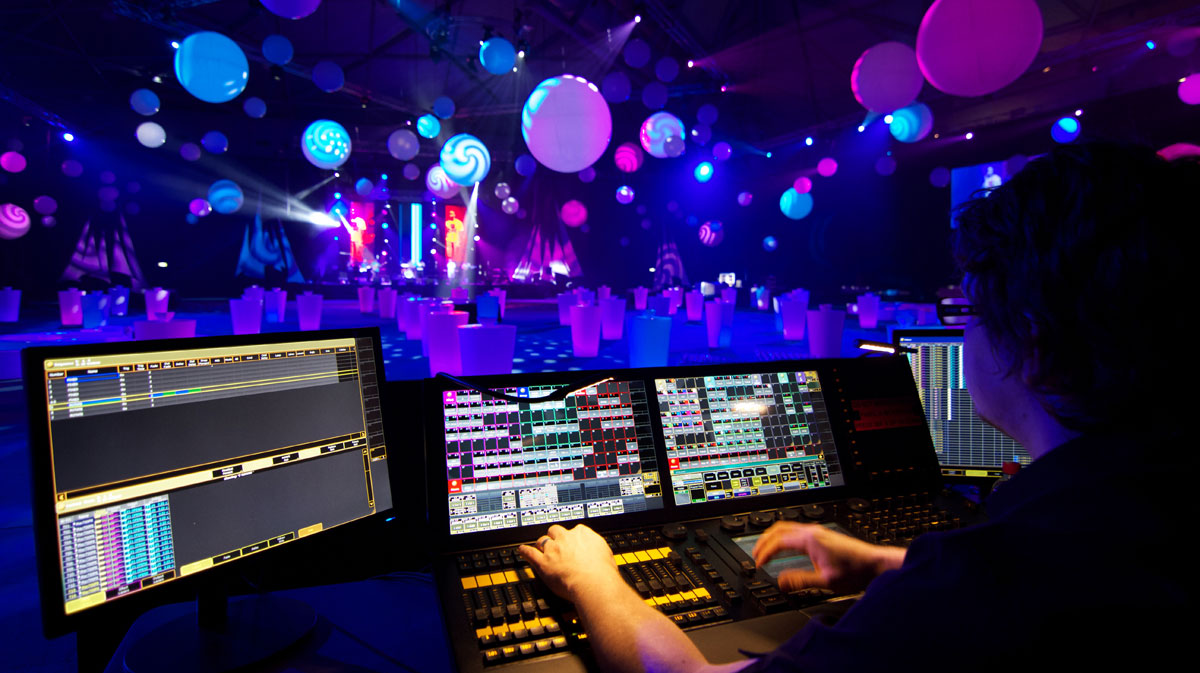
Audio-visual (AV) equipment is critical in enhancing corporate presentations. Large screens, projectors, and sound systems ensure that everyone in the room can see and hear clearly. Integrating videos, animations, and graphics further reinforces key points and helps the audience retain information.
Partnering with experienced av companies ensures the technology is implemented effectively, providing professional guidance on equipment selection and setup. Modern AV solutions allow presenters to highlight data visually, maintain audience focus, and create an immersive experience that reinforces the message.
Designing Visually Appealing Slides
Even with the best technology, poorly designed slides can detract from your presentation. Focus on clarity, simplicity, and visual hierarchy. Limit the amount of text per slide and use visuals to emphasize your points. Consistent fonts, colors, and graphic elements create a cohesive and professional appearance.
Slides should support your presentation, not overwhelm the audience. Avoid overcrowding content and maintain a clean, minimalist approach. Well-designed slides, combined with modern technology, ensure your audience can easily follow along and absorb the key messages.
Incorporating Interactive Elements
Interactivity is key to maintaining engagement during corporate presentations. Live polls, quizzes, and real-time feedback tools encourage participation and foster a collaborative environment. These features allow presenters to gauge understanding, adapt their delivery, and maintain audience attention.
Interactive elements not only make the presentation more enjoyable but also enhance learning and retention. Leveraging tools and advice from professional av companies can help implement these features effectively, ensuring seamless integration with your overall presentation strategy.
Practicing and Rehearsing with Technology
Even the most advanced technology cannot compensate for inadequate preparation. Test all AV equipment, including projectors, microphones, and screens, before the presentation. Rehearse your timing, transitions, and multimedia elements to ensure smooth delivery.
Troubleshooting potential technical issues in advance reduces stress and allows you to focus on engaging your audience. Being familiar with the equipment builds confidence and ensures that the technology supports your message rather than distracting from it.
Delivering a Memorable Presentation
A memorable presentation combines technology with strong communication skills. Maintain eye contact, use expressive body language, and pace your speech appropriately. Balance reliance on slides and AV tools with direct interaction to maintain a human connection with the audience.
Highlight key points visually, use summaries, and transition smoothly between sections. Effective delivery ensures that your audience retains information and walks away with a clear understanding of your message.
Measuring Success and Gathering Feedback
Post-presentation evaluation is essential for continuous improvement. Use analytics, feedback forms, or interactive platforms to assess audience engagement and comprehension. Understanding what worked well and identifying areas for improvement allows you to refine future presentations and maximize impact.
Incorporating feedback ensures that your use of technology continues to enhance communication. Applying insights gained from audience responses improves engagement and makes each subsequent presentation more effective and impactful.
Conclusion
Enhancing corporate presentations with modern technology involves understanding your audience, selecting the right software and AV equipment, designing effective slides, and incorporating interactive elements. Collaborating with professional av companies ensures technology is leveraged effectively, resulting in presentations that are engaging, professional, and memorable. By practicing thoroughly, delivering with confidence, and gathering feedback, businesses can create presentations that leave a lasting impression and communicate ideas successfully.