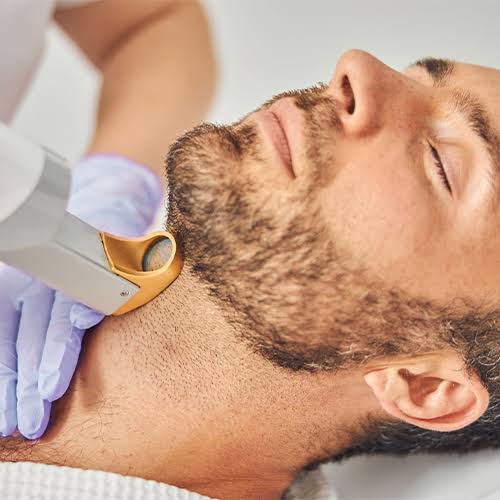
Beard stubble is a common grooming concern for individuals who experience fast facial hair growth. Even after shaving, small hair strands can become visible within a short time, making the beard area feel rough and uneven. Frequent shaving may also require extra attention to maintain a neat and clean appearance. Beard Laser Hair Removal in Abu Dhabi offers a modern treatment approach designed to reduce unwanted facial hair growth and create a smoother-looking beard area.
This treatment uses concentrated laser energy to target hair follicles beneath the skin. By focusing on the structures responsible for hair growth, the procedure gradually reduces hair density and slows regrowth. With multiple treatment sessions, individuals can experience less noticeable stubble and enjoy a more manageable grooming routine.
Understanding Beard Stubble and Its Causes
Beard stubble develops when facial hair begins to emerge from the skin after shaving. Since beard hair can grow relatively quickly, short hair strands may become visible within a day or even sooner. The lower cheeks, chin, jawline, and neck are common areas where stubble becomes noticeable.
Hair thickness, growth patterns, and individual genetics influence how quickly stubble appears. People with coarse or dense facial hair may notice a rough texture shortly after shaving. Uneven growth can also make certain areas appear darker or less smooth than others.
Traditional shaving removes visible hair above the skin but does not directly affect the follicles responsible for producing new strands. This explains why stubble returns regularly and why some individuals explore laser-based treatments for longer-lasting hair reduction.
How Does Beard Laser Hair Removal Target Hair Follicles?
Beard Laser Hair Removal works by directing concentrated light energy toward the pigment in facial hair. The hair absorbs this energy, which is converted into heat and delivered to the targeted follicular structures.
The process is designed to affect the hair growth mechanism while preserving the surrounding skin as much as possible. When follicles are effectively targeted, their ability to produce new hair can become reduced.
Because facial hair does not grow uniformly, different follicles may respond at different times. Laser treatment is therefore performed through multiple sessions to address hairs during their active growth phase.
Gradually, treated areas may develop fewer visible strands, making the beard region appear smoother and reducing the frequency of noticeable stubble.
How Laser Treatment Helps Reduce Visible Stubble
One of the main reasons stubble returns quickly after shaving is that the hair follicle remains active beneath the skin. Laser hair removal addresses this underlying growth structure rather than simply cutting the hair at the surface.
As treatment progresses, the density of unwanted facial hair may decrease. Individual hairs can also become finer and less noticeable. These changes help reduce the rough appearance commonly associated with freshly growing beard hair.
The reduction in hair density can make the cheeks, jawline, and neck look more even. Instead of dealing with prominent short strands every day, individuals may experience longer periods with less visible facial hair.
Although results vary, consistent treatment can provide a gradual improvement in beard stubble and overall facial hair management.
Can Beard Laser Hair Removal Reduce Daily Shaving?
Frequent shaving is often necessary for individuals whose facial hair grows quickly. Maintaining a clean-shaven appearance may involve shaving every morning or repeating the process throughout the week.
Laser hair removal can help reduce this routine by targeting follicles that contribute to recurring facial hair growth. As the number of actively growing hairs decreases, the need for frequent shaving may also become less demanding.
Some individuals may notice that their beard area stays smoother for longer periods between grooming sessions. Others may prefer to maintain selected facial hair while reducing unwanted growth along the cheeks or neckline.
The treatment approach can be adjusted according to individual grooming preferences and desired beard appearance.
Which Beard Areas Can Benefit From Laser Hair Removal?
Facial hair does not grow evenly across every part of the beard. Certain areas may have thicker strands, while others may develop scattered or unwanted growth.
The cheek area is commonly considered for laser treatment when individuals want to reduce excessive hair above their preferred beard line. Reducing unwanted growth in this region can create a cleaner and more defined appearance.
The neckline is another area where stubble can become noticeable quickly. Hair beneath the desired beard boundary may require regular shaving, making it a common grooming concern.
The jawline and chin can also be assessed according to individual hair distribution. Treatment can focus on selected areas to support a more balanced appearance while preserving the beard sections that individuals want to keep.
How Many Sessions Are Needed to Reduce Beard Stubble?
Beard hair grows through different stages, and laser treatment is generally most effective when follicles are in their active growth phase. Since not every hair reaches this stage simultaneously, one session cannot usually address all facial hair.
Multiple sessions are commonly recommended to achieve gradual and more consistent hair reduction. The exact number depends on hair thickness, density, growth patterns, skin characteristics, and individual treatment response.
As sessions progress, individuals may notice that some areas produce fewer visible hairs. Other areas may require additional attention because of differences in follicular activity.
Following an appropriate treatment schedule helps target successive growth cycles and supports more noticeable improvements over time.
What Makes Laser Hair Removal Different From Traditional Shaving?
Shaving and laser hair removal work in fundamentally different ways. Shaving cuts visible hair at the skin’s surface without affecting the follicle. As a result, the hair can continue growing according to its natural cycle.
Laser treatment focuses on reducing the follicle’s ability to produce new hair. This approach offers a longer-term hair reduction option rather than a temporary grooming solution.
Another difference involves the appearance of regrowth. Shaved hair can produce noticeable blunt tips, contributing to the rough feeling associated with stubble. Following successful laser sessions, regrowing hair may become finer and less dense.
For individuals who struggle with recurring facial hair, this distinction makes laser treatment an option worth exploring.
Factors That Influence Beard Laser Hair Removal Results
Several individual characteristics can influence how effectively laser treatment reduces beard stubble. Hair colour and thickness are important considerations because the laser targets pigment within the hair.
Darker, coarser hairs often respond differently from very fine or lightly pigmented strands. Skin tone also plays an important role in selecting appropriate laser technology and treatment settings.
The density of facial hair can affect how many sessions are needed to achieve the desired reduction. Areas with particularly thick growth may require a carefully planned treatment schedule.
Consistency is another important factor. Attending recommended sessions allows treatment to address different hair growth cycles, supporting gradual improvements in facial hair density.
Maintaining a Smoother Beard Appearance After Treatment
After completing the recommended treatment sessions, individuals may experience reduced facial hair density and less noticeable stubble. However, laser hair removal does not guarantee permanent removal of every hair.
Some follicles may continue producing fine strands, and occasional maintenance sessions may be recommended depending on individual results.
Maintaining realistic expectations is important when considering treatment. The primary objective is gradual hair reduction, improved grooming convenience, and a smoother-looking facial appearance.
A personalised treatment plan can help determine which beard areas should be targeted and how to approach unwanted growth while maintaining the preferred beard shape.
Conclusion
Beard stubble can make maintaining a smooth and well-groomed appearance challenging, particularly for individuals with thick or fast-growing facial hair. Beard Laser Hair Removal in Abu Dhabi offers a treatment approach that targets hair follicles rather than simply removing visible strands at the surface.
Through multiple sessions, the treatment can gradually reduce facial hair density, minimise noticeable stubble, and make everyday grooming more manageable. Whether the goal is to achieve smoother cheeks, maintain a cleaner neckline, or reduce frequent shaving, laser hair removal provides an option for individuals seeking longer-term facial hair reduction.
FAQs
How does Beard Laser Hair Removal in Abu Dhabi reduce stubble?
The treatment uses concentrated laser energy to target pigment in facial hair and affect the follicles responsible for growth. Over multiple sessions, hair density can decrease, resulting in less noticeable stubble.
Can laser hair removal stop beard stubble completely?
Laser hair removal is designed for long-term hair reduction rather than guaranteed complete removal. Some fine or occasional regrowth may remain after treatment.
Is Beard Laser Hair Removal suitable for thick facial hair?
Laser treatment can be suitable for many individuals with thick facial hair. Hair colour, skin tone, and individual characteristics help determine the most appropriate treatment approach.
How long does it take to notice reduced stubble?
Results develop gradually over multiple sessions. Some individuals notice changes in hair growth after their initial treatments, while more significant reduction generally requires a consistent treatment schedule.
Can laser treatment reduce stubble on the neck?
Yes, the neckline can be assessed for unwanted facial hair reduction. Targeting this area may help reduce recurring stubble beneath the preferred beard boundary.
Does laser hair removal make beard hair grow back finer?
Treated hair may become finer and less dense as the treatment progresses. Individual results depend on follicular response and hair characteristics.
Can Beard Laser Hair Removal improve beard definition?
Yes, selected areas such as the upper cheeks and neckline can be targeted to reduce unwanted hair outside the preferred beard shape. This can support a cleaner and more defined appearance.
Is laser hair removal better than shaving for recurring stubble?
Shaving provides temporary hair removal at the skin’s surface, whereas laser treatment targets follicles to achieve longer-term hair reduction. Individuals seeking less frequent grooming may consider laser treatment.
How often are beard laser hair removal sessions required?
Session intervals depend on individual hair growth cycles, treatment areas, and professional recommendations. A personalised schedule helps address hair during suitable growth stages.
Does Beard Laser Hair Removal provide long-lasting results?
Laser hair removal can provide long-lasting hair reduction when an appropriate treatment course is completed. However, occasional regrowth and maintenance requirements can vary between individuals.