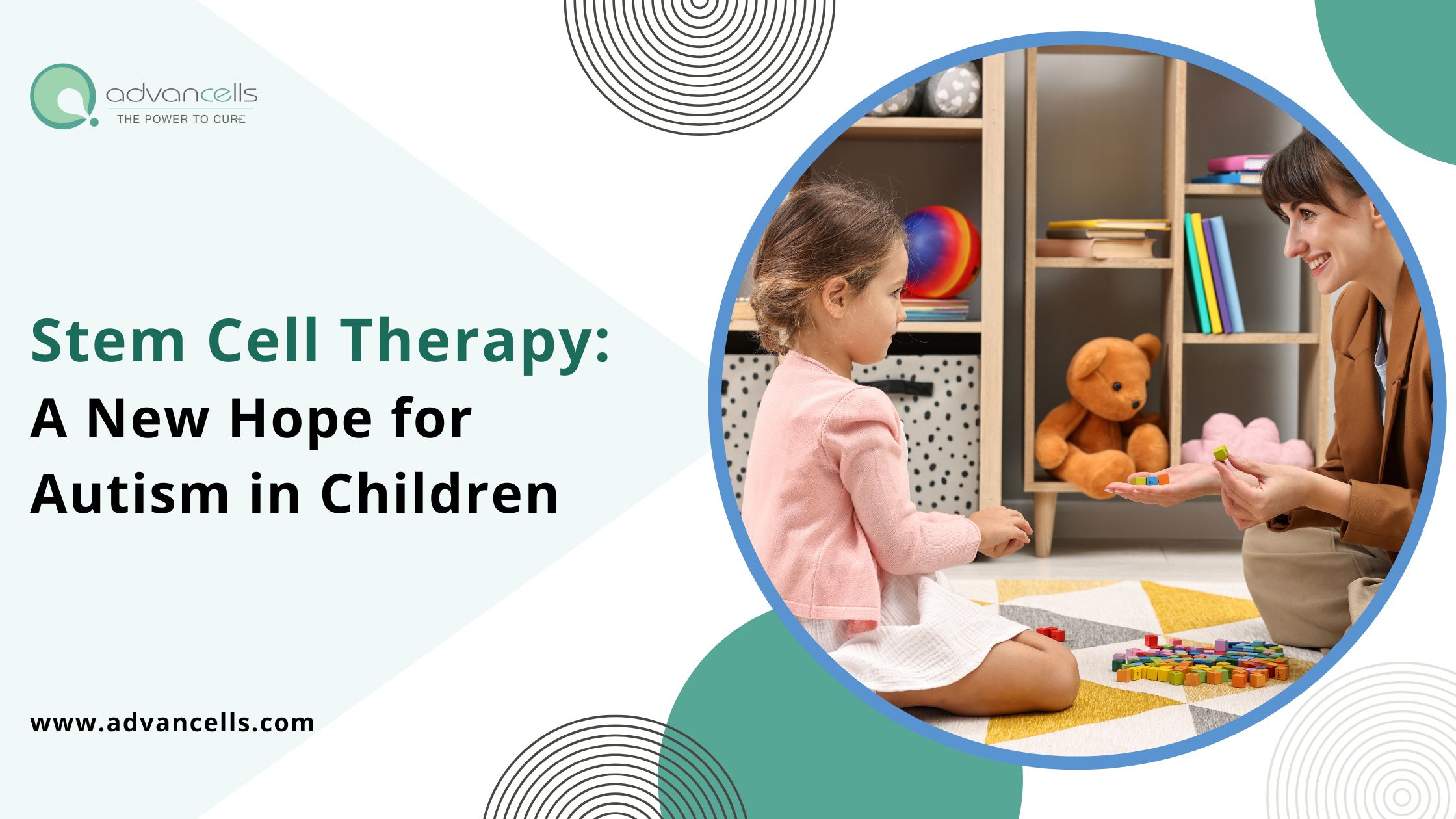
Autism Spectrum Disorder (ASD), complex developmental neurological disability affecting a wide range of developmental patterns in children. It affects various aspects of a child’s life, such as speech, social interaction, and skill development. Conventional therapies such as speech, behavioural, and cognitive therapy have made significant strides in treatment over the years. In recent times, ASD is reaching epidemic proportions; 1 in 166 children is suspected to suffer from autism. However, clinicians and researchers are now seeking advanced technologies that target the disorder’s root causes, rather than just treating its symptoms. This is where stem cell therapy (SCT) shows potential, as it may help address biological irregularities at the cellular level.
Understanding Autism
ASD involves developmental disabilities that lead to differences in how children behave. Children with autism display distinct patterns in paying attention, movement, learning or performing certain tasks. Autism Spectrum Disorder (ASD) severity varies from mild to disabling. Combined involvement of both environmental and genetic factors contributes to the development of autism among children. Some common signs and symptoms include:
- Social and interaction challenges: The child may avoid eye contact, respond negatively to simple games like “pat-a-cake” by 12 months, or show limited facial expressions.
- Repetitive or restricted behaviours: These can include repeating words (echolalia), lining up objects in a specific order, and becoming upset when that order is changed. Repetitive behaviour like flapping hands, repeating reactions, rocking, etc.
- Sensory sensitivities: Overreact to or show apathy to light, sound, taste, or smell.
The cause of ASD is unclear, yet research suggests that brain inflammation, immune system dysregulation, and reduced oxygenation in brain tissue play key roles. Hence, the primary goal is to address the root cause of the problem.
Conventional Strategies
Here’s an overview of some conventional strategies used in autism treatment:
- Speech-Language Therapy (SLT): SLT primarily targets the problem with verbal, non-verbal, and social communication skills. The therapy uses personalized techniques for children, such as social stories, visual aids, and augmentative and alternative communication (AAC) devices.
- Occupational Therapy (OT): OT intends to improve child’s participation and engagement. The therapist creates personalized games and activities tailored to the child’s needs, focusing on social skills, motor development, communication, attention, and behaviour.
- Applied Behaviour Analysis (ABA): ABA improves a child’s behaviour through specific learning and behaviour-training techniques. It emphasizes reinforcing positive behaviours, such as encouraging children to ask for help and praising them when they do so.
- Nutritional Intervention: Nutritional intervention focuses on the introduction of supplements that are lacking in the child. It also restricts the dietary components associated with allergies. For instance, the introduction of serotonin reuptake inhibitors (SSRIs) such as clomipramine, fluvoxamine, fluoxetine, and sertraline is used for depressive mood or anxiety. Similar autism-associated seizures are treated using anticonvulsants ( lamotrigine, carbamazepine, topiramate, and valproic acid).
While conventional therapies treat autism at the surface level, stem cell therapy holds the potential to address its underlying causes.
How Stem Cell Therapy Hopes for a Child with Autism
Stem cells can regenerate into distinct cell types based on requirement and aid in repair of the damaged/ degenerated tissues. They can self-renew and generate various cell types, including blood cells, neurons, and muscle cells. Current research highlights several potential approaches, including:
- Mesenchymal Stem Cells (MSCs): Mesenchymal Stem Cells (MSCs) are used for treating ASD for their ability to release anti-inflammatory molecules. This helps in reduction of inflammation in autistic brain.
- Immune system support: Children with autism often have weakened immune systems. Stem cells may help restore balance, reducing autoimmune or autoinflammatory reactions.
- Angiogenesis promotion: Some stem cells can encourage the formation of new blood vessels, improving oxygenation and nutrient supply to the brain, which may enhance brain function
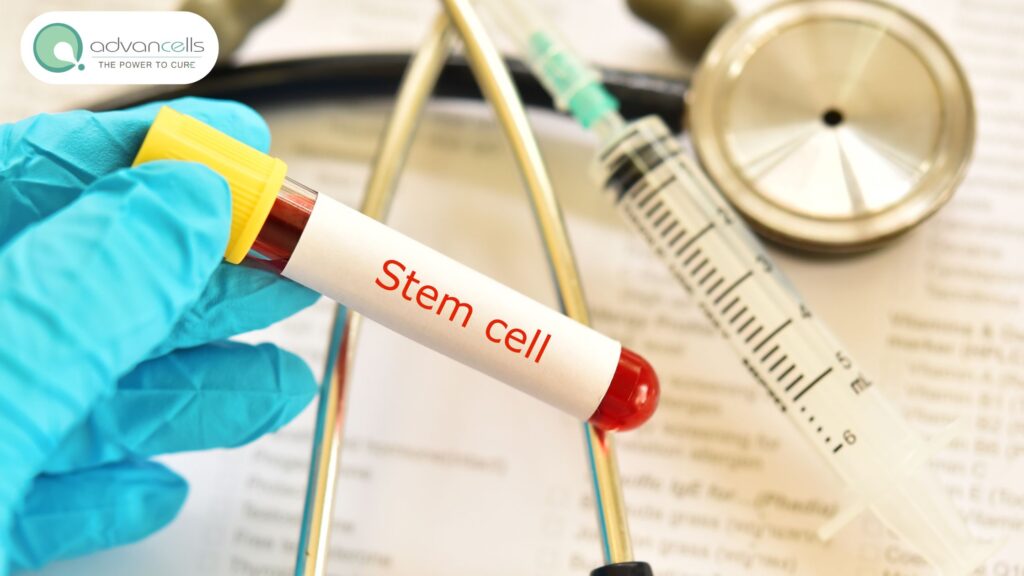
Sources of Cells and Mechanisms of Action in Stem Cell Therapy for Autism
SCT in autism focuses on repairing, rejuvenating, and preventing further deterioration of damaged neurological cells and tissues. Currently, the emphasis is on ensuring easy accessibility and using non-controversial methods for stem cell procurement, such as:
- Umbilical Cord Blood: This is the remaining blood in the mother’s placenta after the umbilical cord is cut. It consists of several cells including hematopoietic stem cells (HSCT), MSCs, regulatory T-cells, monocyte-derived cells, etc. The procedure is non-invasive and can be obtained easily after the umbilical cord is cut. the screeing of the donor often involves reviewing the mother’s health history and testing the blood sample for infectious diseases to ensure the safety of the product. Research over the past three decades has shown no significant incidence of teratomas or solid tumours, thus maintaining a strong safety profile.
- Bone marrow: Bone marrow, a rich source of HSCT and MSCs, is harvested from the soft center of a long bone. This is an invasive/surgical procedure that allows the use of autologous cells. However, adult bone marrow cells are more immunogenic, that is, more likely to spread infection. It consists of shorter telorease, hence a higher proliferative potential.
- Mesenchymal Stem Cells (MSCs): a heterogeneous group of undifferentiated, multipotent cells. MSCs can be isolated from distinct tissues such as bone marrow, adipose tissue (fat cells), and umbilical cord blood. Placenta, or amniotic fluid. MSCs can produce mesodermal tissues like bone, cartilage, and fat. However, their main effect is believed to come from paracrine actions. These include adjusting the immune system, angiogenesis (development of new blood vessels), preventing cell death, supporting local stem and progenitor cell growth, reducing fibrosis, and attracting other cells. MSCs modulate immune responses. But they themselves have relatively low immunogenicity, hence suitable for use in an allogenic setting.
Advancement in Stem Cell Research and Therapy in India
Stem Cell Therapy for Autism in India is still at the translational stage. The Indian Council of Medical Research (ICMR) and the National Medical Commission (NMC) have advised that SCT for autism should be limited to approved clinical trials. However, over the past decade, India has become a growing hub for regenerative medicine. Currently, private clinics offering SCT for various conditions associated with autism are growing.
Majorly the clinical focus is on use of mesenchymal stem cells (MSCs), typically sourced from a patient’s bone marrow or from donated umbilical cord tissue. India’s regulatory framework is still evolving, with stem cell products now classified as “new drugs.” Some renowned clinics offering stem cell therapy for autism in India include:
- Stem Cell Care India (New Delhi)
- Advancells (Noida)
- NeuroGen Brain & Spine Institute (Mumbai)
- MedAcess
Safety and Efficacy
SCT for autism must be performed in controlled environmental conditions. There should be negative genetic modification or use of foreign tissue. The safety standard with use of SCT for autism is high which must be maintained for ensuring its efficacy. The cells used are either taken from the child’s own body or ethically sourced donations, all of which undergo thorough screening.
Challenges
However, stem cell therapy is still considered investigational for autism in many countries. It should be approached with caution and complete transparency. Some key challenges include a lack of robust scientific evidence, an inconsistent regulatory environment, high financial and emotional costs for families, and the need for ethical clearance.
Conclusion
SCT offers new hope for children suffering from autism. The use of stem cells for addressing the neurological condition in autistic children can aid in improving their compromised developmental condition such as social skills as well as motor functions. Although the research is still ongoing, it presents with immense scope as an alternative solution to traditional therapy. Overall, SCT serves as a new hope to autistic children and improve their quality of life.