Old and unwanted cars often seem like useless heaps of metal, sitting in driveways or backyards, collecting dust and rust. Yet, in Brisbane, these vehicles are part of a growing movement that turns waste into something meaningful. The car recycling industry is reshaping how people view automotive disposal, creating a balance between sustainability and practicality. What once looked like junk now fuels an environmental change that benefits the entire community. Visit Website:
The Changing Face of Brisbane’s Automotive Landscape
Brisbane’s automotive industry has seen a major shift over the past two decades. With growing awareness about pollution, energy conservation, and climate change, people are looking for ways to reduce their impact on the planet. Old vehicles, which were once dumped in landfills or abandoned in rural areas, are now finding a new purpose through structured recycling programs.
According to the Australian Bureau of Statistics, there are over 20 million registered vehicles across the country, with thousands being retired every year. Many of these vehicles contain reusable materials like steel, aluminium, copper, and plastic. Recycling them not only reduces waste but also lowers the demand for mining and manufacturing new raw materials. This approach contributes to a cleaner and more resource-efficient economy.
How Car Recycling Works in Brisbane
The process of car recycling involves more than just crushing a vehicle. It follows a detailed and careful procedure designed to maximise material recovery while protecting the environment.
- Collection and Assessment
The process begins when owners decide to part ways with their unwanted cars. The vehicles are collected and taken to authorised recycling facilities in Brisbane. Each vehicle is assessed to identify reusable components and hazardous materials. - Depollution Stage
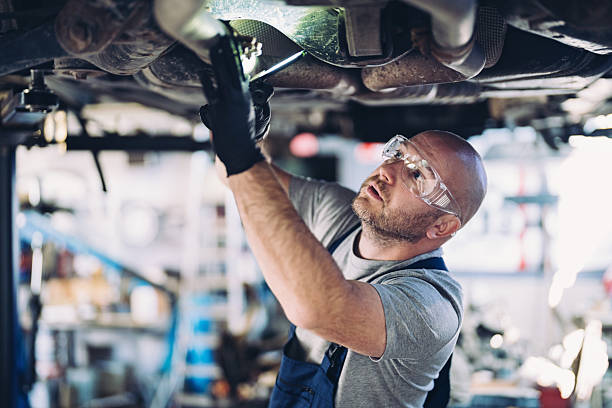
Before dismantling begins, recyclers remove fluids such as oil, brake fluid, and coolant to prevent contamination. Batteries and air-conditioning gases are also safely extracted, as they can harm the environment if not handled properly. - Parts Removal and Reuse
Usable parts such as engines, alternators, tyres, and mirrors are carefully removed. These parts often go through testing and refurbishment before being sold in the local market. This step supports small businesses, mechanics, and even car enthusiasts who prefer genuine second-hand parts. - Metal Recycling
Once the car has been stripped of parts and fluids, the remaining body is crushed and sent for metal recycling. Steel and aluminium are melted down and repurposed for construction, manufacturing, and even new vehicles. This recycling method significantly cuts down carbon emissions associated with metal production.
Environmental and Economic Impact
Cash for unwanted cars brisbane plays a crucial role in protecting the environment. Every recycled car prevents tonnes of waste from entering landfills. By reusing metal, recyclers save up to 75 percent of the energy needed to produce new steel. This process also reduces air and water pollution linked to mining activities.
From an economic point of view, the industry supports thousands of local jobs. Mechanics, transporters, sorters, and recyclers all play their part in keeping the system running smoothly. Brisbane’s growing demand for sustainable practices has led to an organised recycling network that benefits both the environment and the local workforce.
The Queensland Government has also emphasised the importance of recycling and waste management through various environmental initiatives. These programs encourage communities to dispose of vehicles responsibly, ensuring harmful materials do not leak into the soil or waterways.
The Circular Economy in Action
Car recycling is one of the clearest examples of a circular economy. Instead of following a “take, use, and discard” pattern, it focuses on reuse and regeneration. Every part of a vehicle that can be recovered is given a second life.
For instance, glass from windshields can be turned into bottles or building materials. Plastic trims can be reprocessed into new plastic items. Rubber from tyres is used in playground surfaces or road construction. This continuous cycle not only conserves natural resources but also reduces landfill pressure.
The concept of the circular economy is becoming increasingly relevant in Brisbane, where sustainability goals are being integrated into various sectors, including transport and manufacturing. Car recycling aligns perfectly with this vision, showing how even the automotive world can contribute to long-term ecological balance.
Technological Growth and Innovation in Recycling
The recycling industry has adopted new technologies to handle vehicles more effectively. Advanced machinery now separates materials with precision, ensuring that metals, plastics, and other components are recycled without contamination.
Artificial intelligence and automation are being introduced to identify reusable parts faster. Digital inventory systems also allow buyers to locate recycled parts across different yards in Brisbane, improving accessibility for consumers and businesses alike.
These advancements not only improve material recovery rates but also promote safety and efficiency in recycling operations.
Community Awareness and Responsibility
The success of sustainable car recycling depends heavily on public awareness. Many people still do not realise that an unwanted vehicle can be a valuable source of recyclable materials. Community education campaigns, social media awareness, and government-backed recycling drives are helping change this perception.
In Brisbane, local recycling centres often collaborate with councils to provide information on responsible car disposal. By choosing certified recyclers, residents contribute directly to environmental preservation and resource conservation.
Those who participate in recycling initiatives also support the reduction of illegal dumping, which continues to be a concern in rural and suburban areas.
The Road Ahead for Brisbane’s Recycling Industry
As environmental consciousness continues to grow, Brisbane’s car recycling movement is expected to expand further. Stricter environmental regulations and improved recycling technologies will continue to shape the industry’s future.
More importantly, people’s attitudes towards vehicle ownership and disposal are evolving. Cars are no longer seen as permanent possessions but as temporary tools with an eventual sustainable end. This mindset aligns perfectly with modern environmental thinking, promoting accountability and long-term care for the planet.
Brisbane stands as a model for how a city can transform its waste into an asset. Each scrapped vehicle tells a story of renewal, proving that sustainability can emerge even from rust and metal.
Conclusion
Car recycling is not just an industrial process; it is a statement about how society values its resources. In Brisbane, the shift towards responsible vehicle disposal has created an industry that combines environmental protection with practical reuse.
Every dismantled car adds to a cleaner environment, stronger economy, and brighter future for generations to come. Through collective effort, this sustainable cycle continues to grow, showing how rust can truly turn into renewal.