Across Sydney, thousands of vehicles reach the end of their life every year. Some are damaged in accidents, while others simply grow too old to keep running safely. Many people once saw these vehicles as waste, but that view is changing fast. What was once considered junk is now being transformed into a valuable resource. Car removal companies in Sydney are playing a major part in this shift by giving new purpose to old metals and materials. Their work is quietly reshaping how Australians think about cars, recycling, and the environment. Visit Website:
A Growing Challenge: End-of-Life Vehicles
Australia has more than 20 million registered vehicles, according to data from the Australian Bureau of Statistics. Each year, thousands of them are removed from the roads. The average car lasts about 10 to 15 years before it becomes too costly or unsafe to repair. In the past, many of these vehicles ended up in landfills, leaking oils and other toxic fluids into the soil and water. This led to serious environmental harm, especially in large cities like Sydney.
Car removal operations are addressing this growing problem by ensuring that end-of-life vehicles are dismantled and reused in safe and productive ways. Instead of being dumped, these cars are taken apart carefully, with every useful part or material salvaged.
The Recycling Process: A Closer Look
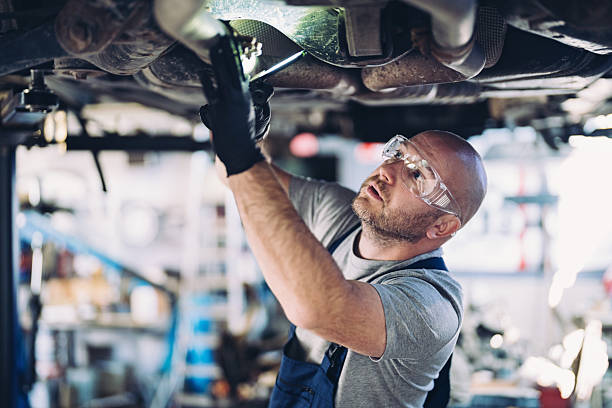
The process starts when a car is brought to a removal yard. Each vehicle is inspected and separated into different categories such as metal, plastic, glass, and rubber. Fluids like engine oil, brake fluid, and fuel are drained properly to prevent contamination. The remaining shell is then processed through powerful machines that shred the metal for recycling.
Steel, which makes up most of a car’s body, can be melted and used again to produce new vehicles, building materials, and even household appliances. Aluminium from wheels and engine parts is also highly reusable. These metals retain their strength and quality even after several recycling cycles, making them valuable resources in the manufacturing industry.
Turning Waste into Economic Value
The materials recovered from scrapped vehicles have a strong market demand. For instance, the steel industry heavily relies on recycled scrap metal to cut production costs and reduce mining waste. Recycling metal saves around 75 percent of the energy needed to make new steel from raw ore, according to the Australian Steel Institute.
Apart from steel, copper wires, catalytic converters, and batteries hold considerable economic worth. The precious metals found in catalytic converters, such as platinum and palladium, are particularly valuable in the global market. Batteries, once considered hazardous waste, are now collected and recycled to extract lead and other components that can be reused in new products.
By managing this process responsibly, companies like Top Car Removal Sydney are contributing to both environmental health and economic sustainability. Each dismantled car becomes a small but meaningful step toward a greener future.
Environmental Gains That Matter
Recycling an old vehicle reduces the need for raw material extraction, which in turn helps conserve natural resources. Mining for metals consumes enormous amounts of energy and causes soil degradation, water pollution, and loss of wildlife habitats. By reusing existing materials, Sydney’s car recyclers are helping to lower these impacts.
The recycling of one tonne of steel saves roughly 1,100 kilograms of iron ore, 630 kilograms of coal, and 55 kilograms of limestone. These figures show how every scrapped car contributes to resource conservation. In addition, recycling significantly cuts greenhouse gas emissions that would otherwise come from mining and refining new metals.
Old cars also contain harmful fluids like engine oil, coolant, and transmission fluid. If left unmanaged, they can seep into the environment and cause long-lasting damage. Proper car dismantling prevents such leaks and ensures these fluids are disposed of according to strict environmental standards.
Technology Behind the Transformation
Modern car removal yards are no longer simple junk piles. They use advanced machinery and data systems to track every part removed from a vehicle. High-powered magnets separate different metals, while crushers and shredders reduce large car bodies into small pieces that are easier to transport and melt.
Some facilities even employ artificial intelligence tools to sort materials with greater precision. This ensures maximum recovery while minimising waste. Many parts such as engines, alternators, and transmissions are also restored and resold. These reused components often find their way into other vehicles or industrial machinery, extending their lifespan beyond the original car.
Supporting Local Communities
Car removal operations in Sydney also create local employment opportunities. Skilled workers are needed to handle dismantling, metal sorting, and recycling processes. Mechanics, environmental technicians, and logistics teams all play vital roles in keeping the system running efficiently.
In addition, these businesses often collaborate with local councils and community clean-up projects. Abandoned vehicles that clutter streets or vacant lots are collected, cleaned, and recycled, improving the appearance and safety of neighbourhoods. This teamwork helps build awareness about sustainable waste management among Sydney residents.
Changing Public Perception
For decades, car scrap yards were seen as dirty and disorganised places. Today, that image is being replaced by a cleaner, more sustainable approach. People are beginning to understand that these yards are essential to a circular economy — one where materials are reused instead of discarded.
More Sydney drivers are now choosing to recycle their old cars rather than leave them unused. They are learning that responsible disposal benefits both the environment and the local economy. It also saves valuable space in landfills, which are already under pressure from urban expansion.
The Future of Green Car Recycling
As Australia moves toward stricter environmental goals, the role of car removal and recycling will continue to grow. Electric vehicles are expected to dominate the market in coming years, bringing new recycling challenges. Batteries, electronics, and rare earth metals will require careful recovery processes to prevent pollution.
Sydney’s car removal sector is preparing for this transition by investing in new technology and staff training. This ensures that future vehicles, regardless of type, can be handled safely and productively when their road life ends.
Conclusion
The story of car recycling in Sydney is one of transformation. What once appeared as heaps of waste has turned into a source of renewable materials and sustainable income. Car removal services are not just about taking old vehicles away — they are about giving them a new beginning in another form. Through recycling, reuse, and responsible waste management, they are helping Sydney move toward a cleaner and more resource-conscious future.