
Pizza rolls are a popular snack known for their convenience and tasty appeal. Whether you’re grabbing a quick bite on a busy day or enjoying a late-night treat, pizza rolls can be a delicious go-to. However, understanding the nutrition of pizza rolls is essential if you’re mindful of your dietary intake. In this article, we’ll delve into the nutrition facts, serving sizes, and calorie content of palli restaurant rolls to help you make informed choices.
Pizza rolls are bite-sized snacks that combine the flavors of pizza into a convenient package. They typically consist of a doughy exterior filled with cheese, tomato sauce, and various toppings such as pepperoni, sausage, or vegetables. The rolls are usually baked or fried until crispy on the outside, making them a popular choice for both children and adults.
Pizza Rolls Nutrition Facts
Understanding the nutrition facts of pizza rolls is crucial for anyone trying to manage their diet. Here’s a breakdown of the typical nutritional components you can expect to find in pizza rolls:
Calories in Pizza Rolls
The calorie content of pizza rolls can vary depending on the brand and specific ingredients used. On average, a serving size of six pizza rolls contains approximately 210 calories. This number can increase if you consume more than the recommended serving size or if the rolls are fried instead of baked.
Fat Content
Pizza rolls are known for their rich and savory taste, which often comes from their fat content. A serving of six pizza rolls typically contains around 8-10 grams of fat. It’s important to note that consuming too much saturated fat can contribute to health issues, so moderation is key.
Carbohydrates and Protein
In addition to fats, pizza rolls are also a source of carbohydrates and protein. A serving size of six pizza rolls usually contains about 30 grams of carbohydrates and 6 grams of protein. These macronutrients provide energy and are essential for various bodily functions.
Sodium Levels
One notable aspect of pizza rolls is their sodium content. A serving of six pizza rolls can contain up to 370 milligrams of sodium. High sodium intake can lead to increased blood pressure and other health concerns, so it’s important to be aware of your overall daily sodium consumption.
Pizza Rolls Serving Size
Understanding the serving size of pizza rolls is crucial for managing your dietary intake. Most pizza roll packages suggest a serving size of six rolls, which is approximately 85 grams. This serving size provides a balanced portion of calories, fats, carbohydrates, and protein. However, it’s easy to consume more than the recommended serving, especially if you’re sharing with friends or family.
Adjusting Serving Sizes
If you’re looking to reduce calorie intake or manage portion control, consider adjusting the serving size of pizza rolls. Eating fewer rolls or pairing them with a healthy side dish like a salad can help you enjoy the snack while maintaining a balanced diet.
How to Enjoy Pizza Rolls in a Healthy Diet
While pizza rolls are a convenient and tasty snack, it’s helpful to check the pizza rolls nutrition facts and enjoy them in moderation as part of a balanced diet. Here are some tips for incorporating pizza rolls into a healthy eating plan:
Balance with Nutrient-Dense Foods
Pair pizza rolls with nutrient-dense foods like vegetables, fruits, or whole grains to create a more balanced meal. This can help you feel fuller for longer and provide essential vitamins and minerals.
Opt for Baked Over Fried
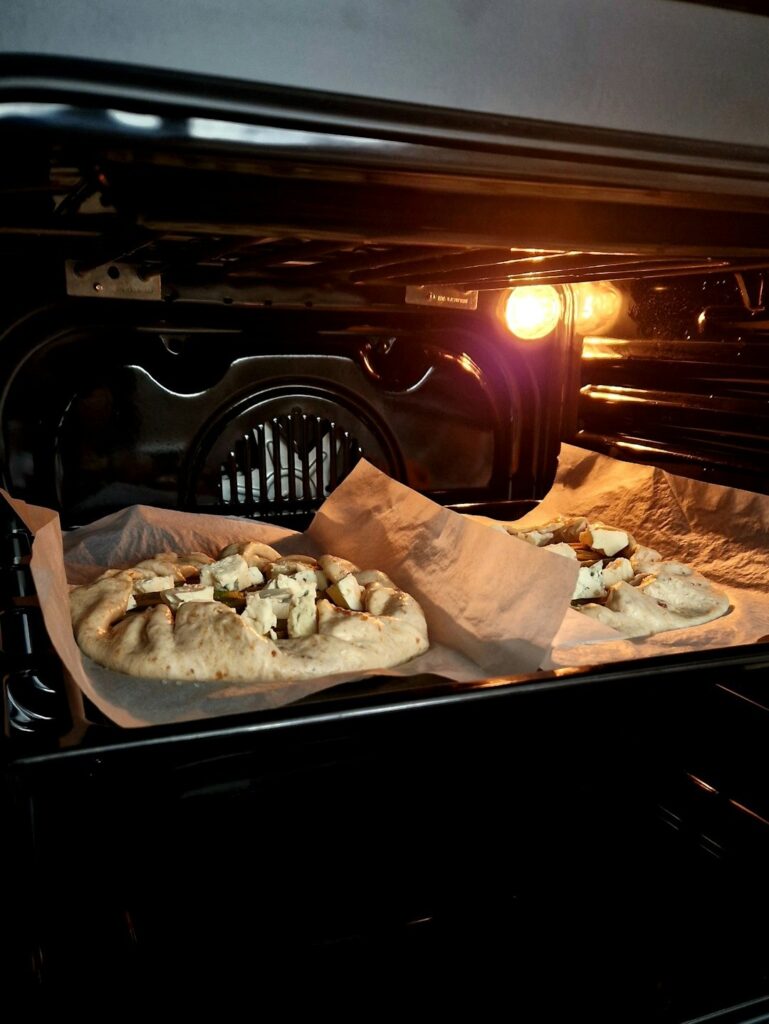
Whenever possible, choose baked pizza rolls over fried ones. Baking reduces the fat content and overall calorie count, making it a healthier option.
Be Mindful of Portion Sizes
Pay attention to portion sizes and try to stick to the recommended serving size. This can help prevent overconsumption and keep your dietary goals on track.
Check Labels for Nutritional Information
Always read the nutritional labels on pizza roll packages to make informed choices about your snacks. Look for options with lower sodium and fat content, or choose varieties that offer whole grains or additional nutrients.
Conclusion
Pizza rolls are a tasty and convenient snack that can fit into a balanced diet when consumed in moderation. By understanding the nutrition facts, serving sizes, and calorie content, you can make informed choices about incorporating pizza rolls into your meals. Remember to balance your intake with nutrient-dense foods, choose baked options, and be mindful of portion sizes. With these tips, you can enjoy pizza rolls while maintaining a healthy lifestyle.