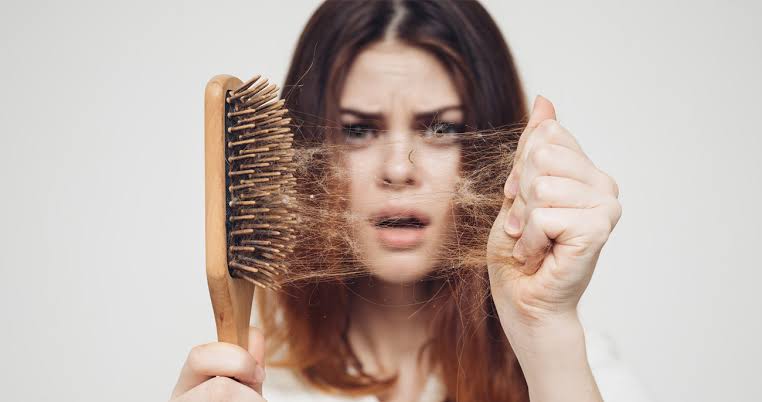
Hair thinning and excessive shedding can affect a person’s appearance, confidence, and overall well-being. Although hair loss is a common concern, its causes and patterns can vary significantly from one individual to another. Understanding these underlying factors is essential before choosing an appropriate solution. A well-planned Hair Loss Treatment in Dubai approach considers the condition of the scalp, the cause of hair shedding, individual health, and the consistency of the recommended routine. Recognizing what influences treatment outcomes can help individuals make informed decisions and develop realistic expectations about improving their hair health.
Understanding the Main Causes of Hair Loss
One of the most important factors affecting treatment success is identifying why hair loss is occurring. Hair shedding can develop due to several conditions, and each may require a different management approach.
Common causes include:
- Genetic factors: Hereditary hair loss can gradually affect hair density and follicle activity.
- Hormonal changes: Hormonal fluctuations may influence the hair growth cycle and contribute to increased shedding.
- Nutritional deficiencies: Inadequate levels of essential nutrients, including iron, zinc, and certain vitamins, can affect healthy hair growth.
- Stress: Physical or emotional stress may trigger temporary excessive shedding.
- Scalp conditions: Inflammation, irritation, and certain scalp disorders can interfere with normal hair growth.
- Medical conditions: Some underlying health concerns can contribute to changes in hair density and texture.
When the underlying cause is properly identified, it becomes easier to select an approach that addresses the specific concern rather than focusing only on visible symptoms.
The Importance of Early Intervention
The stage at which someone seeks professional guidance can influence the potential results. Hair loss may progress gradually, making early changes difficult to notice. However, recognizing increased shedding, a widening part, or reduced hair density can help individuals seek an assessment before the condition advances.
In many cases, hair follicles that remain active may respond better to appropriate interventions than follicles that have experienced extensive and prolonged damage.
Early assessment also allows professionals to evaluate the hair growth pattern, examine the scalp, and determine whether the concern is temporary or progressive. Taking timely action can help preserve existing hair and support better long-term management.
Individual Hair and Scalp Conditions
Every individual has different hair characteristics, scalp conditions, and growth patterns. These differences can influence how effectively a particular approach works.
For example, some individuals experience diffuse thinning across the scalp, while others notice hair loss around the temples, crown, or hairline. The condition of the scalp can also influence treatment planning.
A professional assessment may consider:
- Current hair density and thickness.
- The pattern and severity of hair shedding.
- Scalp health and signs of inflammation.
- The condition of existing hair follicles.
- The duration of the hair loss concern.
Understanding these characteristics helps establish an approach that reflects individual needs rather than relying on a generalized solution.
Choosing the Right Treatment Approach
Selecting an appropriate treatment is another major factor in achieving satisfactory outcomes. Since hair loss can result from different causes, there is no single solution that works equally well for everyone.
Depending on the diagnosis, available approaches may include topical treatments, prescription-based options, platelet-rich plasma (PRP) therapy, low-level laser therapy, or other clinically appropriate procedures.
Each option works differently and has specific suitability considerations. For example, some approaches aim to support follicular activity, while others focus on addressing an underlying medical or scalp-related concern.
Professional guidance helps individuals understand which options may be appropriate for their hair loss pattern, health background, and treatment goals.
The Role of Overall Health and Nutrition
Healthy hair growth depends on several internal processes, including proper nutrient availability, hormonal balance, and general health. Nutritional deficiencies can sometimes contribute to excessive shedding or weaker hair growth.
Protein is particularly important because hair is primarily composed of a structural protein called keratin. Iron, zinc, vitamin D, and other essential nutrients also contribute to normal bodily functions associated with healthy hair.
A balanced diet containing vegetables, fruits, whole grains, protein sources, and healthy fats can support general health and provide important nutrients.
However, supplements should not automatically be considered a solution for hair loss. Their usefulness depends on whether an actual deficiency exists. Identifying and addressing nutritional concerns with appropriate medical guidance can support a more effective treatment plan.
Consistency and Commitment to the Treatment Plan
Consistency is essential when managing hair loss because hair follows a natural growth cycle. Visible improvements generally take time, and results rarely appear immediately after beginning an intervention.
Hair follicles move through different phases, including growth, transition, and resting. Consequently, changes in hair density may become noticeable gradually rather than within a few days or weeks.
Individuals should follow their recommended treatment schedule and avoid frequently switching between different approaches without professional advice.
Maintaining consistency helps professionals evaluate progress more accurately and determine whether adjustments are necessary. Patience is equally important because realistic improvements often require several months, depending on the treatment method and the underlying condition.
Hormonal Balance and Genetic Influence
Hormones and genetics can significantly influence hair density and the likelihood of progressive hair thinning.
Androgenetic alopecia, commonly known as hereditary hair loss, is one of the most recognized causes of gradual hair thinning. It can affect both men and women, although the distribution and progression may differ.
Hormonal changes associated with pregnancy, menopause, thyroid disorders, and other conditions may also influence hair growth.
When hormonal or genetic factors are involved, treatment planning needs to account for the possibility of ongoing hair loss. Addressing these influences can help establish realistic expectations and identify suitable long-term management strategies.
Lifestyle Habits and Stress Management
Daily habits can influence overall hair and scalp health. Although lifestyle improvements cannot reverse every type of hair loss, they may support healthier hair growth conditions.
Chronic stress is particularly relevant because significant physical or emotional stress can trigger a condition called telogen effluvium. This condition causes more hair follicles than usual to enter the resting phase, resulting in increased shedding.
Other lifestyle factors worth considering include:
- Maintaining a balanced and nutritious diet.
- Getting sufficient sleep and allowing the body to recover.
- Managing prolonged physical and emotional stress.
- Avoiding excessive heat styling and harsh chemical treatments.
- Using gentle hair-care products suitable for the scalp.
- Avoiding hairstyles that repeatedly pull tightly on the hair.
Developing healthier habits can complement professional treatment and help reduce avoidable damage to existing hair.
Monitoring Progress and Adjusting the Approach
Regular progress monitoring is another important factor in treatment success. Hair changes can be gradual, making it difficult to recognize improvements through everyday observation.
Photographs taken under similar lighting conditions can help individuals compare hair density and coverage over time. Professional follow-up appointments can also provide an opportunity to assess scalp condition, evaluate treatment response, and discuss any concerns.
If the expected improvement does not occur, the original diagnosis or treatment approach may need to be reviewed. Factors such as hormonal changes, nutritional deficiencies, inconsistent treatment use, or an incorrect initial assessment may contribute to limited results.
A flexible and evidence-based approach allows treatment plans to evolve according to individual progress.
Setting Realistic Expectations for Hair Growth
Understanding what a particular treatment can realistically achieve is essential for satisfaction. Some approaches may help reduce excessive shedding, while others may support thicker-looking hair or improve existing follicular activity.
However, complete restoration of previously lost hair is not guaranteed. Outcomes depend on the underlying cause, the extent of follicular damage, individual response, and the selected treatment method.
Clear communication about expected timelines, potential limitations, and maintenance requirements helps individuals make informed decisions.
Rather than focusing exclusively on rapid visible changes, it is beneficial to consider gradual improvements in hair health, density, and overall scalp condition.
Book Us
Achieving healthier-looking hair begins with understanding the factors contributing to hair loss and selecting an appropriate approach based on individual needs. Enfield Royal Clinic Dubai offers professional aesthetic and hair care services designed around individual concerns and treatment goals. Individuals exploring Hair loss treatment can take the first step by arranging a consultation to discuss their hair concerns, understand suitable options, and develop a personalized plan focused on supporting healthier hair and improved confidence.