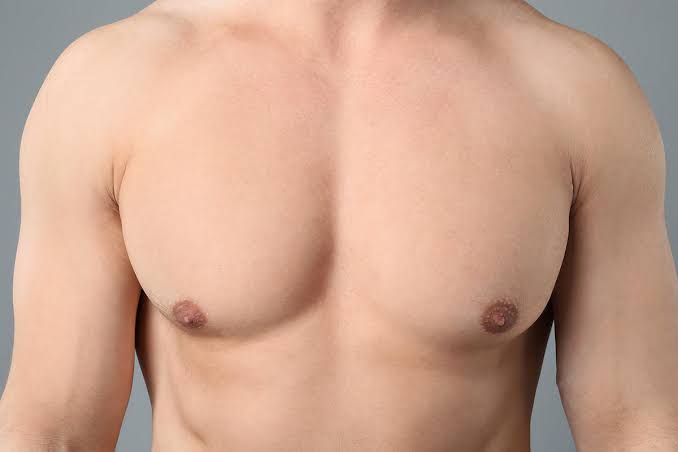
Changes in chest appearance can affect a man’s confidence, comfort, and overall body image. Some men notice slight fullness around the nipples, while others experience more noticeable breast enlargement that changes the natural chest contour. Understanding these changes is important when considering suitable treatment options. Gynecomastia in Dubai is a condition involving the enlargement of male breast glandular tissue, which can develop gradually and vary in severity. It may affect one or both sides of the chest and can occur during different stages of life. Recognizing its stages helps individuals understand how the condition progresses and when professional assessment may be beneficial.
Understanding the Different Stages of Gynecomastia
Gynecomastia does not look the same in every individual. Its appearance depends on the amount of glandular tissue, the presence of excess fat, skin elasticity, and the overall shape of the chest. Healthcare professionals commonly use a four-stage classification to describe the extent of male breast enlargement.
Each stage represents a different level of development, ranging from mild enlargement around the nipple to more pronounced enlargement accompanied by excess skin. Understanding these classifications can help individuals become more informed about their condition and explore appropriate treatment approaches.
Stage 1: Mild Gynecomastia
Stage 1 is generally considered the earliest and mildest form of male breast enlargement. At this stage, a small amount of glandular tissue develops beneath the nipple area, creating a slightly raised or puffy appearance.
The enlargement is usually limited to the area surrounding the areola, and the overall chest contour remains relatively natural. Excess skin is typically absent, making this stage less noticeable than the more advanced forms.
Some individuals may notice tenderness or sensitivity around the nipple, particularly when hormonal changes contribute to glandular development. Others may experience no physical discomfort and discover the condition through changes in their chest appearance.
Common characteristics of Stage 1 include:
- Slight enlargement beneath the nipple.
- Mild puffiness around the areola.
- Minimal changes to the overall chest shape.
- Little to no excess skin.
- A relatively firm chest appearance.
Early-stage gynecomastia may sometimes improve naturally, particularly when associated with temporary hormonal fluctuations during puberty. However, persistent enlargement should be evaluated to identify its underlying cause.
Stage 2: Moderate Gynecomastia
Stage 2 involves more noticeable breast enlargement compared with the first stage. The glandular tissue becomes more prominent, and the chest may begin developing a rounded appearance.
At this stage, enlargement can extend beyond the immediate nipple area, making the chest look fuller. The distinction between the chest muscles and surrounding breast tissue may become less defined.
Some individuals may also experience an increase in fatty tissue around the chest. This can make the enlargement more noticeable, especially when wearing fitted clothing or participating in activities that expose the upper body.
Common characteristics of Stage 2 include:
- More noticeable breast tissue development.
- Increased fullness around the chest.
- A rounded or slightly enlarged chest contour.
- Possible combination of glandular tissue and excess fat.
- Limited or minimal skin excess.
Although the condition may still be manageable in appearance, individuals can begin experiencing greater self-consciousness. Understanding the difference between glandular enlargement and fat accumulation becomes particularly important when evaluating treatment possibilities.
Stage 3: Advanced Gynecomastia
Stage 3 represents a more advanced degree of male breast enlargement. The breast tissue becomes considerably more prominent, and the chest may develop a fuller, more feminine-looking contour.
Unlike the earlier stages, the enlargement is not necessarily restricted to the nipple area. It may extend across a larger portion of the chest, affecting its natural proportions and overall appearance.
Some individuals also develop moderate excess skin as the breast tissue increases. This can contribute to sagging and make the chest appear less firm.
Common characteristics of Stage 3 include:
- Significant enlargement of breast tissue.
- More pronounced changes in chest contour.
- Noticeable fullness extending beyond the areola.
- Moderate excess skin in some individuals.
- Possible sagging of the chest area.
At this stage, changes in physical appearance may have a greater emotional impact. Men may feel uncomfortable wearing certain clothing, participating in sports, or engaging in situations where their chest is visible.
A professional evaluation can help determine the extent of glandular enlargement, assess skin quality, and identify an appropriate approach to treatment.
Stage 4: Severe Gynecomastia
Stage 4 is generally considered the most advanced form of gynecomastia. It involves substantial breast enlargement and considerable changes to the natural chest structure.
The chest may develop a pronounced breast-like appearance, with significant excess skin and noticeable sagging. The enlarged tissue can extend across a wider area, making the condition more difficult to conceal through clothing.
At this stage, the skin may lose some of its natural firmness because it has stretched to accommodate the increased tissue volume.
Common characteristics of Stage 4 include:
- Significant breast enlargement.
- Considerable excess skin.
- Pronounced chest sagging.
- Major changes to the natural chest contour.
- More noticeable differences in chest proportions.
Treatment planning for advanced cases may require attention to both the enlarged glandular tissue and excess skin. The most suitable approach depends on individual anatomy, skin elasticity, and the underlying factors contributing to the condition.
What Causes Gynecomastia to Progress?
The progression of male breast enlargement can be influenced by several biological and lifestyle-related factors. Hormonal imbalance is among the most common contributors, particularly when estrogen activity becomes relatively higher compared with testosterone.
Other contributing factors may include:
Hormonal Changes
Hormonal fluctuations during puberty, adulthood, and ageing can influence breast glandular tissue. Puberty-related enlargement is particularly common and may resolve as hormone levels stabilize.
Certain Medications
Some medications can contribute to breast tissue enlargement by affecting hormone levels or their activity. Reviewing medication history with a healthcare professional can help identify possible contributing factors.
Weight Changes
Increased body fat can contribute to chest fullness and make existing breast enlargement more noticeable. However, fatty tissue and glandular tissue are different, and they may require different treatment considerations.
Underlying Health Conditions
Certain liver, kidney, thyroid, and hormonal conditions may influence the balance of hormones in the body. Identifying and addressing these factors is important when developing an appropriate management plan.
How Is the Stage of Gynecomastia Identified?
Determining the stage involves more than simply looking at chest size. A professional assessment considers the amount and distribution of glandular tissue, skin condition, chest symmetry, and the presence of excess fat.
The evaluation may include a physical examination, medical history, and additional investigations when necessary. These assessments help distinguish true glandular enlargement from pseudogynecomastia, which refers primarily to increased fatty tissue in the chest.
Accurate identification is important because different stages may require different treatment strategies. It also helps establish realistic expectations regarding the potential results of treatment.
What Are the Available Treatment Options for Different Stages?
Treatment depends on the severity of enlargement, its underlying cause, and the individual’s overall health. Not every case requires an invasive procedure, particularly when the enlargement is mild or associated with temporary hormonal changes.
Observation and Medical Evaluation
Mild cases, especially those associated with puberty, may improve without intervention. Monitoring the condition and identifying possible underlying causes can be appropriate in selected situations.
Addressing Underlying Causes
When medications or medical conditions contribute to breast enlargement, addressing these factors may help manage the condition. Any medication changes should be made under appropriate medical supervision.
Surgical Treatment
For persistent or more pronounced enlargement, surgical treatment may be considered. Depending on the individual’s condition, treatment can involve removing excess glandular tissue, reducing fatty deposits, or addressing excess skin.
The approach is selected according to the chest structure and the degree of enlargement rather than relying exclusively on the stage classification.
When Should You Consider Professional Assessment?
Professional assessment is worthwhile whenever breast enlargement persists, progresses, or causes discomfort. Sudden enlargement, a hard or fixed lump, nipple discharge, skin changes, or enlargement affecting only one side should receive medical attention.
Early evaluation can help identify the underlying cause and determine whether observation, medical management, or a procedural approach is appropriate.
Understanding the different stages also allows individuals to make informed decisions rather than relying on assumptions based solely on appearance.
Book Us
Choosing an appropriate treatment approach begins with understanding individual needs and the extent of chest enlargement. Enfield Royal Clinic Dubai offers a professional environment where individuals can explore suitable options for improving chest appearance and addressing concerns related to male breast enlargement. A personalized consultation can help assess the condition, discuss available treatment approaches, and establish realistic expectations. Taking the first step towards understanding your options can help you make a confident and informed decision about achieving a more balanced chest contour.