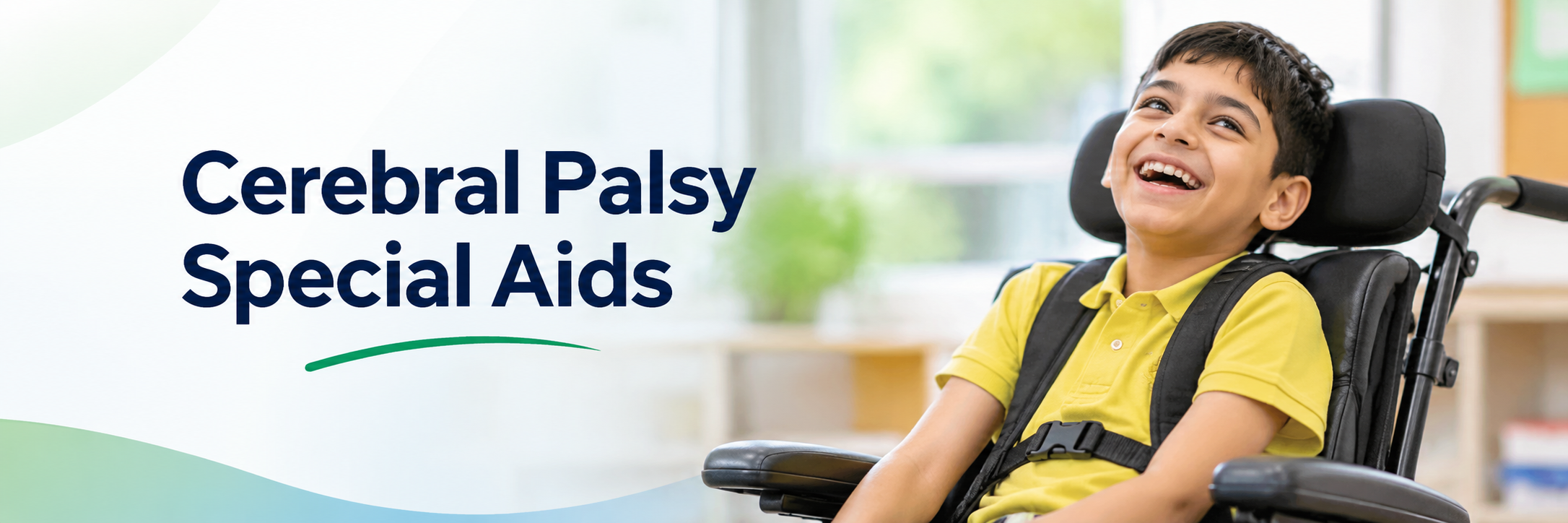
Education is about more than reading books, writing examinations and completing classroom assignments. It also involves communication, social interaction, creativity and participation in everyday activities. For children with cerebral palsy, certain physical challenges may make traditional classroom environments difficult to navigate.
Cerebral palsy can affect muscle coordination, posture, movement and hand control. Depending on the individual’s needs, activities such as writing on a board, sitting for extended periods, using classroom furniture or moving between classrooms may require additional support.
Creating an inclusive learning environment involves recognising these differences and providing appropriate resources. Assistive devices, adaptive furniture and accessible technology can help children participate in educational activities with greater confidence and independence.
1. Understanding the Learning Needs of Children with Cerebral Palsy
Cerebral palsy affects individuals differently. Some children may have difficulty with fine motor activities, while others may require support with walking, sitting or maintaining balance.
These physical differences do not automatically indicate intellectual difficulties. Many children with cerebral palsy have typical intellectual abilities, while others may have additional learning or communication needs.
Understanding each child’s strengths and challenges helps teachers and families identify appropriate educational support.
Some common classroom challenges include:
- Difficulty holding pencils or other writing tools.
- Limited control over hand movements.
- Difficulty maintaining a comfortable sitting position.
- Challenges moving between classroom areas.
- Difficulty accessing conventional desks and learning materials.
- Communication barriers in certain situations.
Individualised support can make classroom participation more accessible.
2. Why Adaptive Seating Is Important in Classrooms
Maintaining a stable sitting position can be challenging for some children with cerebral palsy.
Conventional classroom chairs may not provide sufficient postural support, particularly for children who have difficulty controlling their head, trunk or pelvis.
Adaptive seating systems can provide additional support through:
- Adjustable backrests.
- Lateral trunk supports.
- Head supports.
- Pelvic positioning systems.
- Adjustable footrests.
- Specialised seating cushions.
Appropriate seating can help children maintain a more functional position during writing, reading, communication and other classroom activities.
An occupational therapist or physiotherapist can help determine the most suitable seating arrangement.
3. Adaptive Writing Tools for Better Classroom Participation
Writing requires coordination between the fingers, hands, wrists and arms. Some children with cerebral palsy may experience difficulty controlling these movements.
Adaptive writing tools can make written activities more manageable.
Examples include:
Built-Up Pencil Grips: Increase the thickness of writing instruments, making them easier to hold.
Weighted Writing Tools: May help some individuals who experience difficulties with movement control.
Slant Boards: Position writing materials at an angle that may improve access and comfort.
Alternative Keyboards: Provide different ways to enter information when conventional typing is difficult.
Digital Writing Applications: Allow children to complete assignments using compatible tablets or computers.
The right solution depends on the child’s motor abilities, preferences and educational goals.
4. Mobility Support for Moving Around School
Accessibility is an important part of inclusive education.
Children who experience mobility limitations may require additional support to move between classrooms, access libraries or participate in playground activities.
Different mobility aids can help address these needs.
- Walkers can provide additional support during walking.
- Gait trainers can assist with supported mobility practice.
- Wheelchairs can support independent or assisted movement.
- Adaptive strollers may provide transportation support for children who need specialised positioning.
- Standing frames can support selected upright activities under professional guidance.
The aim should be to provide safe and practical access to educational spaces rather than limiting participation because of mobility challenges.
5. Communication Devices That Encourage Interaction
Communication is essential for learning, developing friendships and expressing personal needs.
Some children with cerebral palsy experience speech difficulties because of differences in muscle control.
Augmentative and Alternative Communication (AAC) systems can provide additional ways to communicate.
These may include:
- Picture communication boards.
- Symbol-based communication systems.
- Speech-generating devices.
- Communication applications.
- Eye-gaze technology.
For example, a child who finds speaking difficult may use a communication board to answer questions, express preferences or participate in classroom discussions.
Selecting suitable communication technology requires an assessment of the child’s communication, sensory and physical abilities.
6. Making School Activities More Accessible
Inclusive education involves adapting the environment, not simply expecting every child to use the same equipment.
Small modifications can improve access to classroom activities.
Examples include:
- Providing wider pathways for wheelchair access.
- Adjusting desk heights.
- Keeping frequently used materials within reach.
- Offering alternative methods for completing written assignments.
- Providing accessible bathroom facilities.
- Creating suitable spaces for rest and repositioning.
These adjustments can support participation while helping children develop confidence in their abilities.
7. The Role of Assistive Technology in Skill Development
Assistive technology can support learning and participation when selected according to individual goals.
For example, adapted computer access may allow a child with limited hand control to complete digital assignments. Specialised seating may support participation during group activities.
However, technology should complement learning rather than replace opportunities to practise functional skills.
A goal-directed approach helps children work towards practical activities such as writing their names, using learning materials, participating in games or completing self-care tasks.
8. Choosing Suitable Cerebral Palsy Special Aids
Selecting assistive equipment requires careful consideration of the child’s individual needs.
Before choosing a device, families and caregivers should evaluate:
- Age and physical development.
- Sitting and postural requirements.
- Mobility and balance abilities.
- Hand function and coordination.
- Communication needs.
- Intended daily activities.
- Comfort and adjustability.
- Safety and maintenance requirements.
Families exploring cerebral palsy special aids and assistive devices can learn about different categories of equipment designed to support mobility and everyday activities.
Professional assessment is important to ensure that selected equipment is suitable, correctly fitted and aligned with the child’s functional goals.
9. How Parents and Teachers Can Work Together
Supporting a child with cerebral palsy requires cooperation between families, educators and rehabilitation professionals.
Parents understand the child’s daily routines, preferences and support requirements. Teachers understand the classroom environment and learning expectations.
Working together can help create practical solutions.
Some useful approaches include:
- Discussing individual learning goals.
- Sharing information about equipment requirements.
- Providing sufficient time for classroom activities.
- Encouraging participation in group work.
- Monitoring comfort and equipment fit.
- Reviewing accessibility needs regularly.
An inclusive environment should encourage children to participate without making them feel excluded because they use assistive equipment.
10. Looking Beyond Equipment: Encouraging Independence and Confidence
Assistive devices are valuable tools, but their purpose extends beyond physical support.
When appropriately selected, they can help children take part in meaningful activities, communicate their preferences and develop everyday skills.
Families and educators should focus on what each child can achieve rather than concentrating only on physical limitations.
Encouraging decision-making, offering choices and celebrating individual progress can help build confidence.
Children should also have opportunities to participate in sports, creative activities, social interactions and recreational experiences using suitable adaptations.
Conclusion
Creating inclusive learning environments requires more than providing accessible classrooms. It involves understanding individual abilities, adapting everyday activities and selecting appropriate assistive technology.
Adaptive seating, mobility equipment, communication devices and specialised writing tools can help children with cerebral palsy participate more actively in education and daily life.
With cooperation between parents, teachers and rehabilitation professionals, children can receive support that respects their individual needs and encourages independence.
The goal of assistive technology should always be meaningful participation, equal opportunities and a learning environment where every child has the chance to develop their abilities.