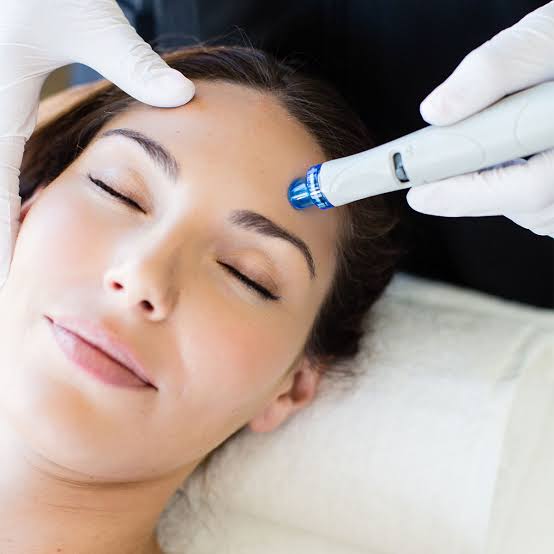
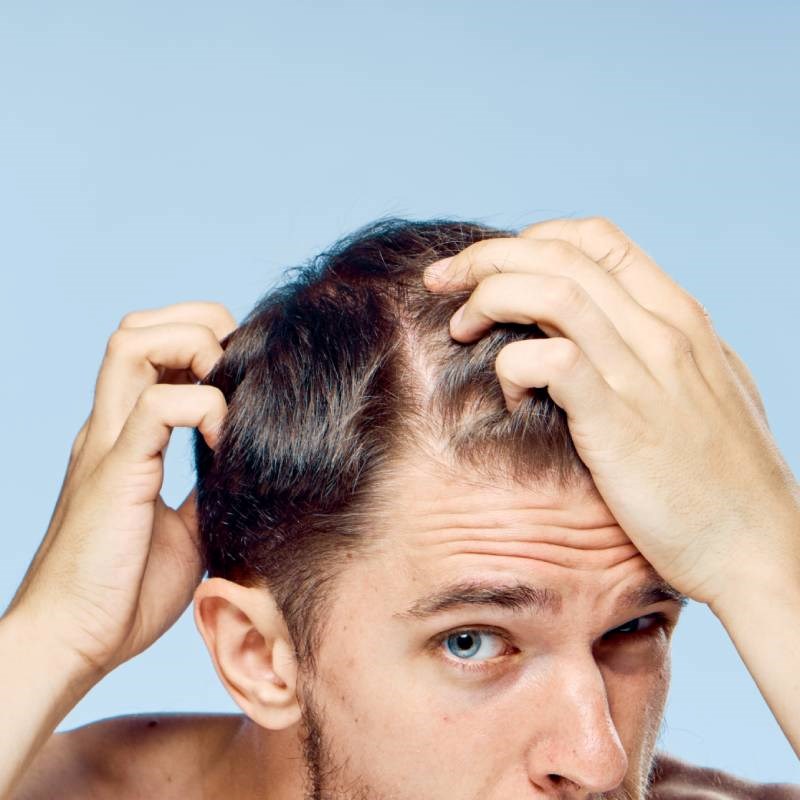
PRP Treatment has gained attention as a treatment option for people interested in improving skin appearance, supporting hair growth, and promoting natural tissue renewal. PRP treatment in Abu Dhabi is used in different aesthetic applications, depending on individual concerns, treatment goals, and professional assessment. People may consider PRP to address concerns such as thinning hair, uneven skin texture, fine lines, and the appearance of certain scars. Understanding its potential benefits, how the procedure works, and what results to expect can help individuals make informed decisions about their aesthetic care.
Understanding PRP Treatment In Abu Dhabi
Platelet-rich plasma treatment involves collecting a small blood sample and processing it in specialized equipment to separate the platelet-rich portion from other blood components. The prepared plasma is then applied or introduced into the selected treatment area using an appropriate technique.
Platelets contain growth factors and other biological substances involved in tissue repair and regeneration. In aesthetic applications, PRP aims to support these natural processes rather than simply covering a visible concern.
The exact approach depends on whether the treatment is intended for the scalp, face, or another suitable area. A qualified professional evaluates the individual’s needs before determining whether PRP is appropriate.
How Does PRP Treatment Support Skin Rejuvenation?
One of the main reasons people explore PRP Treatment In Abu Dhabi is its potential role in skin rejuvenation. As skin changes with age, collagen production and elasticity can gradually decline. These changes may contribute to fine lines, uneven texture, and a less refreshed appearance.
PRP contains biological factors that participate in the body’s repair mechanisms. When used in an appropriate aesthetic procedure, it may support improvements in skin texture and overall appearance over time.
The treatment may be considered by individuals who want to address early signs of ageing while maintaining a natural-looking result. However, the degree of improvement varies, and PRP does not replace every other skin rejuvenation option.
Potential Benefits for Hair Growth
Hair thinning can affect people of different ages and may result from genetic factors, hormonal changes, or other underlying conditions. PRP is sometimes used as part of a treatment plan for certain forms of hair loss.
The growth factors released by platelets may influence the biological environment around hair follicles. In suitable candidates, this approach may help improve hair density, thickness, or the appearance of thinning areas.
PRP is not a guaranteed solution for every type of hair loss. Its effectiveness depends on the cause of the condition, the current state of the hair follicles, and individual characteristics. A professional assessment can help determine whether this treatment may be beneficial or whether further evaluation is needed.
Can PRP Treatment Improve Skin Texture?
Uneven skin texture can develop for several reasons, including previous acne, natural ageing, and changes in collagen structure. PRP may be considered as part of a treatment approach intended to support skin renewal.
By delivering platelet-rich plasma to a suitable area, the procedure aims to encourage natural repair activity. Some individuals may experience gradual improvements in the smoothness and overall appearance of their skin.
The results depend on the depth and type of the concern being addressed. For example, deeper scars may require a different or combined treatment approach. PRP should therefore be selected according to the individual’s skin condition rather than used as a universal solution for every texture concern.
Supporting a More Refreshed Facial Appearance
Another potential benefit of PRP Treatment In Abu Dhabi is its use in facial rejuvenation. People who notice fine lines, a tired-looking complexion, or changes in skin quality may be interested in treatments that work with the body’s natural biological processes.
PRP may help support skin quality by encouraging repair-related activity. Some individuals seek it to complement an overall facial rejuvenation plan, particularly when their goal is a subtle and natural-looking improvement.
It is important to maintain realistic expectations. PRP does not provide the same effects as surgical procedures, and it may not significantly correct pronounced skin laxity or deeper facial folds. The most suitable approach depends on the specific concern, skin condition, and desired outcome.
A Treatment That Uses Your Own Blood Components
An important characteristic of PRP is that the preparation comes from the individual’s own blood. The sample is processed to concentrate platelets before the resulting plasma is used in the selected treatment area.
This approach differs from treatments that rely entirely on externally manufactured cosmetic substances. Nevertheless, using the body’s own blood components does not mean the procedure is automatically suitable for everyone. Proper preparation, sterile technique, professional assessment, and appropriate treatment planning remain essential.
Individuals should discuss their medical history, current health circumstances, and expectations during the consultation. These details help establish whether PRP is a suitable option for their particular goals.
What Happens During a PRP Treatment Session?
The process generally begins with a consultation to assess the treatment area and identify the concern being addressed. The professional explains the procedure, discusses realistic outcomes, and determines whether any additional evaluation is necessary.
A small blood sample is then collected and placed in specialized equipment that separates the platelet-rich plasma. Once prepared, the plasma is applied or introduced into the target area using the technique selected for the treatment.
The duration of the appointment depends on the area being treated and the procedure involved. Individuals should receive clear instructions about preparation and aftercare before the session.
For scalp treatments, the assessment may focus on the pattern of hair thinning and the condition of the follicles. For facial applications, attention may be given to skin texture, elasticity, and the individual’s overall rejuvenation goals.
How Many Sessions May Be Needed?
The number of sessions depends on the treatment area, the nature of the concern, and the individual’s response. Some treatment plans involve multiple sessions spaced over a period of time, while maintenance may be discussed depending on the results and the professional’s recommendations.
PRP does not produce identical outcomes for everyone. Improvements may develop gradually, and some people may notice more visible changes than others. Hair-related outcomes can also take time because hair growth follows a natural cycle.
During the consultation, individuals should ask when changes may become noticeable, how progress will be evaluated, and whether additional sessions may be appropriate. A personalized plan provides a clearer understanding of the treatment timeline.
Who May Consider PRP Treatment In Abu Dhabi?
PRP may be considered by adults seeking support for selected hair or skin concerns. Suitable candidates are determined through an assessment of their health, treatment goals, and the condition being addressed.
People experiencing certain types of hair thinning may explore PRP after the underlying cause has been evaluated. Individuals interested in skin rejuvenation may also consider it when their expectations align with the treatment’s potential benefits.
However, PRP is not appropriate for every concern. A professional may recommend a different approach when the condition requires another form of treatment or when the expected benefits are limited. Understanding the available options helps individuals choose a plan that fits their needs.
Setting Realistic Expectations for PRP Results
The benefits of PRP should be considered in the context of individual results. Factors such as age, general health, the condition of the treatment area, and the underlying cause of the concern may influence the outcome.
PRP is intended to support natural biological processes, so changes generally develop gradually rather than immediately. It may help improve selected aspects of skin quality or hair appearance, but it cannot guarantee complete hair restoration, permanent rejuvenation, or the removal of every scar.
Progress can be assessed during follow-up appointments, allowing the treatment plan to be reviewed according to the response. Clear communication and realistic goals are important parts of achieving a satisfactory experience.
Conclusion
PRP Treatment In Abu Dhabi offers an option for people interested in supporting skin rejuvenation and addressing certain types of hair thinning through the use of platelet-rich plasma. Its potential benefits include supporting natural repair processes, improving selected aspects of skin texture, and helping some suitable candidates achieve improvements in hair density or thickness.
The treatment is not a universal solution, and results vary according to individual circumstances. A professional consultation helps determine whether PRP is suitable, what improvements may be realistic, and how the treatment should be planned. By understanding the procedure and its limitations, individuals can make more informed decisions about their skin and hair care goals.
Frequently Asked Questions
What is PRP Treatment In Abu Dhabi?
PRP Treatment In Abu Dhabi is a procedure that uses platelet-rich plasma prepared from a person’s own blood. It is used in selected aesthetic applications, including certain hair restoration and skin rejuvenation treatments.
What are the main benefits of PRP treatment?
Potential benefits include supporting natural repair processes, improving aspects of skin texture, and helping some suitable individuals improve the appearance of thinning hair. Results vary depending on the treatment area and individual circumstances.
Can PRP treatment help with hair loss?
PRP may help some people with certain types of hair loss by supporting the environment around hair follicles. Its suitability depends on the cause of hair loss and the condition of the follicles, so professional assessment is important.
Is PRP treatment used for facial rejuvenation?
Yes, PRP may be used in selected facial rejuvenation procedures to support skin quality and improve the appearance of texture and fine lines. The extent of improvement varies from person to person.
How long does it take to see PRP treatment results?
Results generally develop gradually. The timeline depends on the treatment area, the concern being addressed, and the individual’s response. Hair-related improvements may take several months to become noticeable.
How many PRP sessions are usually required?
The number of sessions varies according to individual goals, the treatment area, and the response to the procedure. A personalized treatment plan can clarify the recommended schedule.
Is PRP treatment suitable for everyone?
No. Suitability depends on personal health circumstances, the condition being treated, and the expected benefits. A qualified professional should assess each individual before recommending the procedure.
Can PRP treatment remove acne scars completely?
PRP may support improvements in the appearance of certain scars, particularly when included in an appropriate treatment plan. However, complete scar removal cannot be guaranteed, and deeper scars may require other approaches.
Does PRP treatment provide permanent results?
PRP does not guarantee permanent results. The duration of any improvement depends on the treatment area, the underlying concern, and individual factors. Maintenance may be discussed when appropriate.
What should I discuss before starting PRP treatment?
Discuss your treatment goals, medical history, the cause of your concern, the expected timeline, and the likely degree of improvement. You should also ask about preparation, aftercare, and whether alternative treatments may better meet your needs.