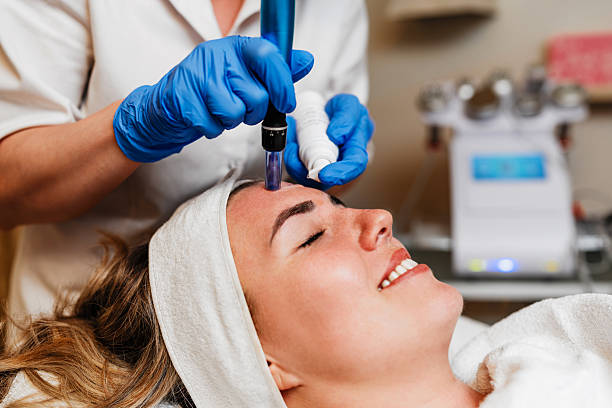
Skin elasticity plays an important role in maintaining a smooth, firm, and youthful-looking complexion. Over time, the skin may gradually lose its ability to return to its original shape, leading to fine lines, mild sagging, and changes in texture. Factors such as aging, sun exposure, and declining collagen production can contribute to these changes. For individuals seeking a treatment that supports the skin’s natural renewal process, Microneedling Abu Dhabi offers an approach designed to stimulate collagen production and improve overall skin quality. By encouraging the body’s natural repair response, microneedling may help the skin appear firmer, smoother, and more resilient.
What Is Microneedling and How Does It Work?
Microneedling is a skin rejuvenation procedure that uses a device equipped with fine, sterile needles to create controlled micro-injuries in the skin. These tiny channels activate the body’s natural wound-healing response, encouraging cellular renewal and collagen production.
Collagen provides structural support, while elastin helps the skin stretch and return to its original shape. Both proteins contribute to skin firmness and flexibility. As their structure and abundance change with age, the skin may become less elastic and develop more visible lines.
Microneedling is designed to stimulate the skin’s natural repair mechanisms. As the treated tissue remodels, improvements in texture, firmness, and overall appearance may gradually become noticeable.
How Does Collagen Production Affect Skin Elasticity?
Collagen is one of the primary proteins responsible for maintaining the skin’s strength and structure. It forms a supportive framework that helps the skin remain firm and smooth. Elastin works alongside collagen by allowing the skin to stretch and recover.
As the skin ages, collagen production naturally declines, and existing collagen fibers may become less organized. These changes can contribute to wrinkles, uneven texture, and reduced firmness.
Microneedling encourages the production and remodeling of collagen within the skin. This process may improve the structural support beneath the surface, helping the complexion appear smoother and more resilient. Although collagen stimulation is an important benefit, the extent of improvement depends on individual skin characteristics and the condition being treated.
Can Microneedling Improve Loose and Sagging Skin?
Mild skin looseness can develop when collagen support and elasticity decrease. This may become noticeable around the cheeks, jawline, forehead, or other areas where the skin begins to appear less firm.
Microneedling may help improve the appearance of mild laxity by stimulating collagen remodeling. As the skin gradually develops improved structural support, it may appear firmer and more refined.
However, microneedling is not a substitute for procedures designed to remove significant excess skin. Its primary purpose is to improve skin quality and encourage gradual rejuvenation rather than create a dramatic lifting effect.
People experiencing early changes in skin firmness may find collagen-focused treatments worth discussing as part of an individualized skincare plan.
Can Microneedling Reduce Fine Lines and Wrinkles?
Fine lines often develop as the skin loses collagen, elasticity, and moisture. Repeated facial movements, environmental exposure, and natural aging can make these lines increasingly visible.
Microneedling may help soften the appearance of fine lines by stimulating collagen production and supporting skin renewal. As the skin remodels, its surface may become smoother, and some lines may appear less pronounced.
The treatment can be particularly relevant when fine lines occur alongside uneven texture or mild loss of firmness. However, deeper wrinkles may require a different or combined treatment approach, depending on their cause and severity.
Realistic expectations are important because microneedling generally produces gradual improvements rather than completely eliminating established wrinkles.
Which Areas Can Benefit From Microneedling?
Microneedling can be used on several areas where changes in skin texture, firmness, or elasticity are noticeable. The face is a common treatment area, particularly around the cheeks, forehead, and other regions affected by fine lines.
The neck may also benefit when the primary concerns involve uneven texture or mild changes in firmness. Other areas may be considered when the goal is to improve the appearance of certain scars or irregular skin texture.
Each area has different skin characteristics, so treatment depth and technique should be adjusted accordingly. A personalized assessment helps determine whether microneedling is appropriate for the specific concern and which areas are likely to benefit.
How Long Does It Take to Notice Improvements in Skin Elasticity?
Skin elasticity does not usually improve immediately after microneedling. The treatment initiates a repair process that continues as the skin produces and remodels collagen.
Some people may notice early changes in skin texture before more substantial improvements in firmness become apparent. Collagen remodeling takes time, so visible results may develop over several weeks or months.
The timeline varies according to skin condition, age, treatment intensity, and individual healing responses. Some people may require a series of sessions to achieve their desired results.
The number and spacing of sessions should be determined according to individual needs rather than following a fixed schedule for everyone.
Is Microneedling Suitable for Different Skin Types?
Microneedling may be appropriate for a range of skin types, but suitability depends on the individual’s skin condition and treatment goals. Skin tone, sensitivity, active skin concerns, and healing characteristics can influence how treatment should be planned.
The depth of needle penetration and the overall treatment approach need to be selected carefully. This is particularly important when treating delicate areas or skin that is prone to pigmentation changes.
A qualified professional can assess whether microneedling is suitable and determine the most appropriate technique. Individualized planning helps support consistent treatment outcomes while respecting the skin’s natural characteristics.
How Can Microneedling Support Overall Skin Quality?
Skin elasticity is only one component of a healthy-looking complexion. Smooth texture, even appearance, and adequate hydration also influence how firm and youthful the skin looks.
Microneedling may improve the appearance of uneven texture by encouraging cellular renewal and collagen remodeling. These changes can help the skin look smoother and more refined over time.
When improved texture accompanies increased firmness, the overall complexion may appear healthier and more balanced. Nevertheless, results depend on the underlying skin concern, and microneedling cannot address every cause of skin aging.
Understanding the difference between improving skin quality and reversing all signs of aging helps establish realistic expectations.
What Should You Know Before Choosing Microneedling?
Before choosing microneedling, it is important to identify the main concern affecting your skin. Fine lines, mild laxity, uneven texture, and deeper wrinkles may require different treatment strategies.
The condition of the skin, previous treatments, and personal goals should all be considered during an assessment. Appropriate treatment settings and adequate intervals between sessions are important because the skin needs time to recover and remodel.
Microneedling is most useful when the desired outcome aligns with its purpose: stimulating collagen and improving the appearance and texture of the skin. Understanding these limitations can help you make a more informed decision.
Final Thoughts
Microneedling can support improvements in skin elasticity by stimulating collagen production and encouraging the body’s natural repair processes. As the skin remodels, it may become smoother, firmer, and more resilient, with gradual improvements in fine lines and texture. However, the results vary according to individual skin characteristics and the degree of elasticity loss. For people experiencing early signs of aging or mild skin laxity, microneedling may be a useful option for supporting natural skin rejuvenation. A personalized assessment can help determine whether the treatment suits your skin concerns and expectations.
FAQs
Can microneedling improve skin elasticity?
Yes, microneedling can stimulate collagen remodeling, which may help improve skin firmness and elasticity over time.
How does microneedling support collagen production?
It creates controlled micro-injuries that activate the skin’s natural repair response and encourage collagen formation.
Can microneedling tighten loose skin?
It may improve the appearance of mild skin laxity, but it cannot remove significant excess skin.
How long does microneedling take to show results?
Improvements develop gradually, often over several weeks or months as collagen remodeling progresses.
Is microneedling suitable for aging skin?
It may be suitable for improving fine lines, uneven texture, and mild loss of firmness, depending on individual skin characteristics.