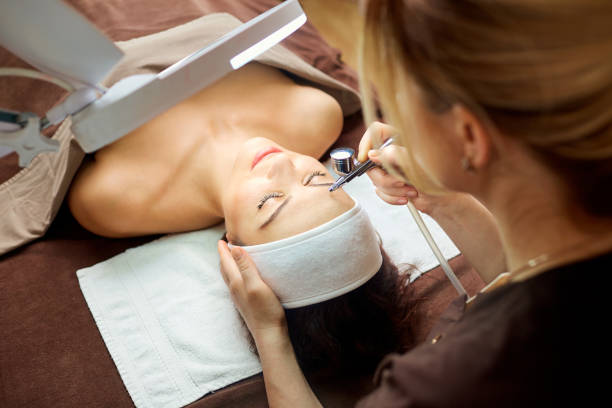
Acne-prone skin often requires careful attention because excess oil, clogged pores, and recurring breakouts can affect the complexion’s overall appearance. Choosing a facial treatment that supports hydration and skin freshness without adding unnecessary heaviness is an important consideration for people with frequent blemishes. An oxygen facial is a cosmetic skincare treatment designed to refresh the skin and improve its hydrated appearance. For those considering oxygen facial in Abu Dhabi understanding how this treatment works, its potential benefits for acne-prone skin, and its suitability for different skin concerns can help establish realistic expectations and support better skincare decisions.
What Is an Oxygen Facial and How Does It Work?
An oxygen facial is a non-invasive cosmetic treatment that commonly uses a specialized device to deliver a fine stream of oxygen, often alongside hydrating serums, onto the skin’s surface. Depending on the treatment method, these serums may contain ingredients selected to improve moisture levels, softness, and overall skin appearance.
The main purpose of an oxygen facial is to refresh the complexion and support surface hydration. The treatment may leave the skin feeling smoother and looking more radiant, making it appealing to individuals who want a refreshed appearance without an intensive procedure.
For acne-prone skin, the suitability of an oxygen facial depends on the products used, the skin’s current condition, and the way the treatment is performed. Although oxygen is involved in the procedure, it is important to understand that an oxygen facial is not an established cure for acne. Its primary role is cosmetic skin conditioning rather than directly treating the underlying causes of breakouts.
Can an Oxygen Facial Benefit Acne-Prone Skin?
An oxygen facial may be suitable for some people with acne-prone skin, particularly when their main concerns include dehydration, dullness, or a rough-looking complexion. Proper hydration can help the skin appear more balanced and comfortable, especially when acne-focused skincare products leave the surface feeling dry.
The treatment may temporarily improve the appearance of the skin by supporting moisture retention and giving the complexion a fresher look. Lightweight, non-comedogenic products can be particularly relevant for people who are concerned about clogged pores because these formulations are designed to reduce the likelihood of pore blockage.
However, individual results depend on the treatment formulation and the condition of the skin. A facial that uses unsuitable or overly rich products may not be appropriate for someone prone to congestion. The treatment should therefore be tailored to the person’s skin type rather than selected solely because it is marketed as an oxygen facial.
People with frequent or persistent acne should also recognize that cosmetic facials cannot replace treatments specifically designed to manage breakouts.
How Does an Oxygen Facial Affect Excess Oil and Clogged Pores?
Excess sebum, or natural skin oil, can combine with dead skin cells and contribute to clogged pores. This process may lead to blackheads, whiteheads, and other forms of acne. Because an oxygen facial primarily focuses on hydration and surface refreshment, it does not directly address every factor responsible for these concerns.
The treatment may help improve the skin’s overall appearance, but it should not be expected to regulate oil production or remove established pore blockages on its own. Its effectiveness for acne-prone skin depends partly on whether the accompanying products are appropriate for oily or combination skin.
Lightweight formulations can help provide moisture without leaving a heavy residue. In contrast, products that are overly rich or unsuitable for an individual’s skin may contribute to congestion. Careful product selection is therefore an important part of making an oxygen facial appropriate for someone who experiences recurring blemishes.
For people whose primary concern is persistent blackheads, whiteheads, or inflammatory acne, a skincare approach that specifically targets clogged pores and acne development may be more beneficial than relying on an oxygen facial alone.
Is an Oxygen Facial Suitable for Sensitive, Acne-Prone Skin?
Acne-prone skin can also be sensitive, meaning it may react easily to certain skincare ingredients, friction, or changes in its routine. In these cases, treatment selection requires attention to both acne concerns and the skin’s tolerance.
An oxygen facial may be considered when the procedure uses gentle techniques and products suited to sensitive skin. Hydrating formulations without unnecessary fragrance or other known personal irritants may be preferable, although suitability varies between individuals.
The way the facial is performed also matters. Gentle application can help avoid unnecessary manipulation of blemish-prone areas, while aggressive exfoliation or excessive pressure may be inappropriate for skin that is already irritated.
Anyone experiencing active, inflamed breakouts should have the skin assessed before choosing a facial. The condition of the skin can influence whether the treatment should proceed, be modified, or be postponed until the complexion is more settled.
A personalized assessment helps distinguish between skin that mainly needs hydration and skin that requires targeted acne management. This distinction is important because a treatment that benefits one person may not provide the same results for someone with different concerns.
Can an Oxygen Facial Help Improve Acne-Related Dullness?
Acne-prone skin can sometimes appear dull or uneven, particularly when dehydration makes the surface look less smooth. An oxygen facial may temporarily improve this appearance by delivering hydration and supporting a softer, fresher-looking complexion.
When the skin is adequately hydrated, fine surface lines associated with dryness may appear less noticeable, and the complexion may look more supple. This improvement can make the skin appear healthier without necessarily changing the underlying acne condition.
It is important to distinguish dullness from post-acne marks and scars. Flat brown or red marks can remain after blemishes have healed, while depressed scars involve changes in the skin’s structure. An oxygen facial is not specifically designed to remove these marks or rebuild the tissue affected by scarring.
For individuals concerned about uneven tone, lingering pigmentation, or visible acne scars, a different treatment approach may be needed. Identifying the primary concern helps ensure that the chosen procedure has a realistic chance of delivering the desired cosmetic improvement.
What Should You Consider Before Choosing an Oxygen Facial?
Before selecting an oxygen facial, consider whether the main goal is hydration, improved radiance, or active acne management. These concerns require different approaches, and understanding the distinction can help prevent disappointment.
The products used during the treatment should be appropriate for acne-prone skin, with attention to lightweight, non-comedogenic formulations. The treatment method should also suit the skin’s current condition, particularly when sensitivity, inflammation, or frequent breakouts are present.
It is useful to discuss existing skincare routines and known ingredient sensitivities during a professional assessment. This information can help determine whether the proposed facial complements the individual’s skincare needs.
Expectations should remain realistic. An oxygen facial may provide temporary hydration and a refreshed appearance, but it does not guarantee fewer breakouts, permanently smaller pores, or the removal of acne scars. For persistent acne, a targeted skincare plan may be more appropriate, with cosmetic facials serving only as a complementary option when suitable.
Final Thoughts
An oxygen facial can be suitable for some people with acne-prone skin, especially those seeking hydration, softness, and a refreshed complexion. Its suitability depends on the skin’s current condition, the products used, and the gentleness of the treatment approach. Lightweight, non-comedogenic formulations may help make the experience more compatible with oily or blemish-prone skin.
However, an oxygen facial should not be viewed as a primary treatment for active acne, clogged pores, or established acne scars. Understanding its cosmetic purpose and limitations allows individuals to make informed choices based on their actual skin concerns. A personalized assessment can help determine whether the treatment is appropriate or whether a more targeted approach would better support the skin’s needs.
FAQs
Is an oxygen facial good for acne-prone skin?
It may suit some individuals who want hydration and a refreshed appearance, provided the products and techniques are appropriate for their skin.
Can an oxygen facial reduce active acne?
An oxygen facial is not an established acne treatment and should not be relied upon to control persistent breakouts.
Does an oxygen facial clog pores?
Its suitability depends on the products used. Lightweight, non-comedogenic formulations are generally preferable for acne-prone skin.
Can an oxygen facial help with oily skin?
It may improve surface hydration, but it does not directly regulate sebum production or treat clogged pores.
How often should acne-prone skin receive an oxygen facial?
The appropriate frequency depends on skin condition, treatment formulation, and individual tolerance. A professional assessment can help determine a suitable schedule.