Good vision plays an important role in everyday life, from reading and working on a computer to travelling safely and recognising people from a distance. Yet many people delay eye check-ups because visiting a clinic can be difficult when they have a busy schedule, limited mobility, or young children at home. An eye test at home in delhi ncr can make basic vision screening more convenient by bringing suitable eye-care services to the patient’s home.
Home-based eye testing is not simply about checking whether someone can read letters from a chart. Depending on the service and the person’s needs, a vision screening may include distance and near vision assessment, evaluation of refractive errors, discussion of symptoms, and guidance on whether a comprehensive examination by an eye specialist is required.
What Is an Eye Test at Home?
An eye test at home is a vision assessment performed at a patient’s residence by an appropriately trained eye-care professional using suitable testing methods and equipment.
The exact tests available can vary depending on the provider and the patient’s requirements. A home visit may be particularly useful for people who need a convenient preliminary assessment or have difficulty travelling to an eye-care facility.
A home-based assessment may help identify concerns such as:
- Difficulty seeing distant objects
- Blurred near vision
- Possible refractive errors
- Changes in visual clarity
- Difficulty reading or working on screens
- Vision concerns in older adults
- The need for further professional eye evaluation
It is important to understand that vision screening is not always equivalent to a complete eye examination. Certain conditions require detailed examination of the eyes and may need specialised equipment that is available in a clinic or hospital.
How Does a Home Vision Screening Work?
The process usually begins with a discussion about the person’s vision and any symptoms they have noticed. The eye-care professional then performs relevant vision tests based on the individual’s age, concerns, and requirements.
1. Understanding Your Vision Concerns
Before testing begins, the professional may ask about symptoms such as:
- Blurred vision
- Headaches associated with visual tasks
- Difficulty reading
- Eye strain
- Difficulty seeing at night
- Changes in distance or near vision
- Existing spectacles or contact lens use
This information helps determine which aspects of vision need attention.
2. Checking Distance Vision
Distance vision is commonly assessed using an eye chart or another appropriate testing method. The patient is asked to identify letters, symbols, or shapes from a measured distance.
Each eye may be tested separately and then together. The results provide an indication of how clearly the person can see at a distance.
3. Assessing Near Vision
Near vision is important for activities such as reading books, using mobile phones, sewing, writing, and working with documents.
A near-vision assessment can help determine whether a person has difficulty focusing on objects at close range.
4. Checking for Refractive Errors
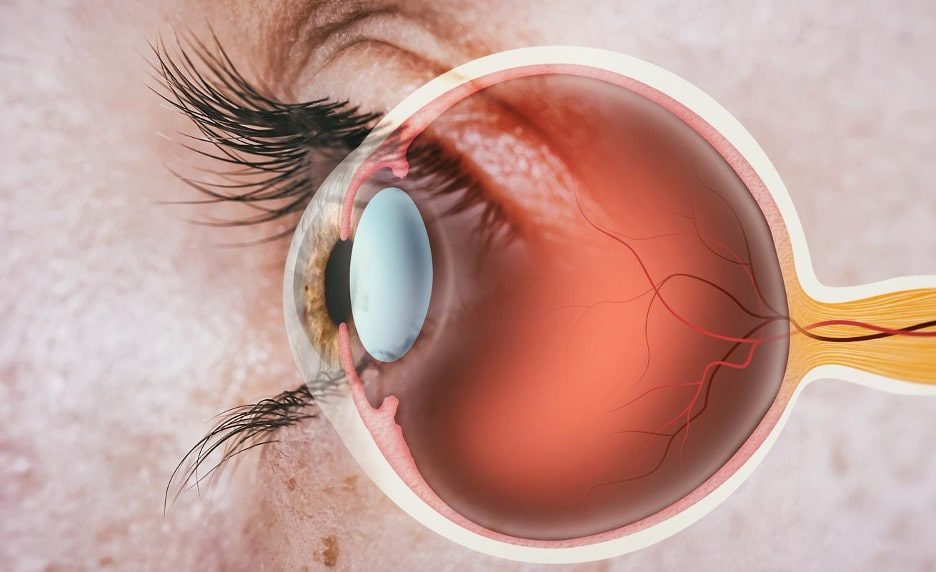
Refractive errors occur when the eye does not focus light properly on the retina. Common types include:
- Myopia: Difficulty seeing distant objects clearly.
- Hyperopia: Difficulty with certain near or distance tasks, depending on the degree.
- Astigmatism: Blurred or distorted vision caused by an irregular curvature of the cornea or lens.
- Presbyopia: An age-related reduction in the ability to focus on nearby objects.
If a refractive problem is suspected, further assessment may be recommended before prescribing or updating corrective lenses.
Who Can Benefit From an Eye Test at Home in Delhi NCR?
Home-based vision services can be useful for a wide range of people, particularly those who find travelling inconvenient.
Older Adults
Older adults may have difficulty travelling to an eye clinic, especially when mobility is limited. A home visit can make preliminary vision assessment more accessible.
People With Busy Schedules
Professionals and others with demanding routines may find it easier to arrange a scheduled assessment at home rather than spend additional time travelling and waiting at a clinic.
Children
Parents may prefer a familiar home environment for a child’s initial vision screening. However, children with suspected eye conditions may require a comprehensive examination by a qualified eye specialist.
People With Limited Mobility
Individuals recovering from illness or injury, or those who have difficulty travelling independently, may benefit from home-based services when appropriate.
When Should You Consider an Eye Test?
Changes in vision should not always be ignored simply because they appear mild. An assessment may be appropriate when you notice persistent difficulty seeing clearly or when your existing glasses no longer seem effective.
Consider arranging a vision assessment if you experience:
- Frequent difficulty reading signs or text
- Blurred vision at near or far distances
- Increasing dependence on brighter light
- Trouble focusing while using digital screens
- Squinting to see clearly
- Difficulty recognising faces from a distance
- A noticeable change in visual clarity
Regular eye examinations can also be important even when vision appears normal because some eye conditions may develop without obvious early symptoms.
What Can an At-Home Vision Test Detect?
A home assessment can provide useful information about visual clarity and possible refractive problems. However, its scope depends on the equipment and professional conducting the assessment.
It may help identify whether someone appears to have:
- Reduced distance vision
- Reduced near vision
- A possible need for updated spectacles
- Differences in vision between the two eyes
- Symptoms that warrant further examination
However, conditions involving the retina, optic nerve, eye pressure, cornea, lens, or other internal structures may require a more comprehensive examination.
This distinction is important because a person can sometimes have apparently acceptable vision while still requiring professional evaluation for an underlying eye condition.
Is Home Eye Testing a Replacement for a Clinic Examination?
No. A home vision screening should not automatically be considered a replacement for a comprehensive eye examination.
A professional may recommend an in-clinic assessment when there are persistent symptoms, unexplained changes in vision, a history of eye disease, or other concerns that cannot be adequately evaluated during a home visit.
Seek prompt medical attention for sudden vision loss, significant eye injury, severe eye pain, sudden flashes or a large increase in floaters, or other sudden and concerning changes in vision.
How to Prepare for an Eye Test at Home
A little preparation can make the assessment more useful.
Keep Your Existing Glasses Available
If you currently wear spectacles or contact lenses, keep relevant prescriptions and previous eye-care records available if possible.
Make a List of Symptoms
Think about when the problem started, whether it affects one or both eyes, and whether it occurs during particular activities such as reading or driving.
Choose a Suitable Space
The professional may need adequate room and lighting for vision testing. A reasonably quiet and well-lit area can help the assessment proceed smoothly.
Share Relevant Medical Information
Tell the eye-care professional about previous eye conditions, eye surgeries, medications, or other relevant information when asked. Do not leave out symptoms simply because they seem unrelated.
Why Convenience Matters in Eye Care
Convenience can influence whether people seek care when they need it. For some individuals, travelling across Delhi NCR for a routine vision assessment can be difficult because of work commitments, transportation challenges, age, or mobility limitations.
Home-based services can reduce some of these practical barriers. They can also make it easier for families to arrange vision assessments for multiple household members when appropriate.
EyeSetu focuses on making eye-care access more convenient through home-based eye testing services. As with any healthcare service, the appropriate type of assessment depends on the individual’s symptoms and clinical requirements.
How to Choose a Home Eye Testing Service
Before scheduling an appointment, consider whether the provider clearly explains what the home assessment includes and what happens if further examination is required.
Useful questions include:
- Who will conduct the vision assessment?
- What tests are included?
- Is spectacle-power assessment available?
- Will the results be explained after testing?
- What happens if a potential eye problem is identified?
- Will further evaluation by an eye specialist be recommended when necessary?
A transparent service should explain the scope and limitations of home testing rather than suggesting that every eye condition can be evaluated at home.
Frequently Asked Questions
1. Is an eye test at home in Delhi NCR accurate?
The usefulness of a home vision assessment depends on the testing method, equipment, environment, and professional conducting it. It can provide valuable information about visual clarity and possible refractive problems, but it may not replace a comprehensive eye examination.
2. Can I get my spectacle power checked at home?
A home visit may include vision and refractive assessment depending on the service provided. If a new prescription is being considered, the professional can also advise whether further testing is needed before obtaining new glasses.
3. Can children have their eyes tested at home?
Children can undergo suitable vision screening at home in some situations. If the child has persistent visual difficulties, abnormal screening results, eye alignment concerns, or other symptoms, a comprehensive assessment by an eye-care professional may be necessary.
4. How often should I have my eyes checked?
The appropriate frequency depends on age, existing eye conditions, risk factors, symptoms, and professional advice. People experiencing new or worsening vision changes should not wait for a routine appointment.
5. Can a home eye test detect serious eye diseases?
A basic home vision screening cannot reliably rule out all eye diseases. Some conditions can exist without major changes in visual clarity and may require specialised examination and diagnostic equipment.
Conclusion
An eye test at home in Delhi NCR can be a practical option for people who need convenient access to basic vision assessment. It can help identify changes in visual clarity, possible refractive problems, and situations where further eye evaluation may be appropriate. However, home screening has limitations and should not be treated as a substitute for comprehensive eye care when specialist assessment is needed.
For people looking for convenient home-based vision services, EyeSetu provides an option for arranging eye testing at home while keeping the focus on accessible and patient-friendly eye care.