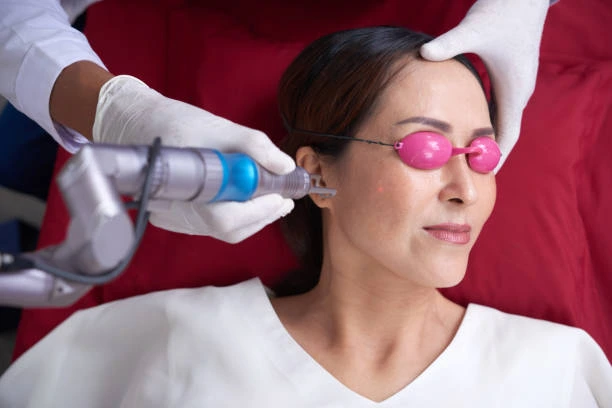
Age spots are flat, darker areas that can become more noticeable as the skin experiences repeated exposure to sunlight over time. They commonly appear on areas such as the face, hands, shoulders, arms, and other regions that receive frequent environmental exposure. Pico Laser Treatment in Abu Dhabi is a modern laser-based approach that can target unwanted pigmentation by delivering extremely short pulses of energy to selected areas of the skin. The technology is designed to interact with pigment while supporting a more even-looking complexion. Its precise energy delivery is one reason it is used for concerns involving age spots and other forms of pigmentation.
Understanding Age Spots
Age spots, sometimes called sun spots or liver spots, are areas where pigmentation becomes more concentrated within the skin. They can develop gradually and may become more visible with increasing age and repeated ultraviolet exposure.
Although age spots can vary from person to person, they often appear as clearly defined patches that are darker than the surrounding skin. Some may be light brown, while others can appear deeper brown depending on the individual’s natural skin tone and the amount of pigmentation present.
The visible color is associated with melanin, the pigment responsible for much of the skin’s natural coloration. When pigment becomes concentrated in specific areas, those regions can appear darker than the surrounding skin.
How Pico Laser Technology Targets Pigment
Pico laser technology uses ultra-short pulses of laser energy. These pulses are measured in picoseconds, which are extremely brief units of time. The rapid delivery of energy allows the treatment to focus on pigment-containing areas.
Rather than relying on prolonged heating, picosecond technology is designed to create a photoacoustic effect. The laser energy interacts with the targeted pigment, helping break pigment particles into smaller fragments that can subsequently be processed and cleared naturally by the body.
This mechanism allows treatment to focus on pigmentation without requiring the laser energy to be delivered continuously for an extended period.
Why Short Laser Pulses Matter
The duration of a laser pulse can influence how energy interacts with the skin. Pico laser technology delivers energy in exceptionally short bursts, allowing the treatment to concentrate its effect on the targeted pigmentation.
For age spots, this precision can be useful because the objective is to address concentrated areas of pigment while preserving the surrounding skin as much as possible.
The technology’s short-pulse approach is also associated with modern pigment-focused laser treatments because it allows practitioners to work with specific pigmentation concerns using controlled energy delivery.
Targeting Melanin in Age Spots
Melanin is central to the appearance of age spots. When pigmentation becomes concentrated in a particular area, the spot appears darker than the surrounding skin.
Pico laser energy can be absorbed by pigment within the targeted area. The interaction helps fragment the concentrated pigment into smaller particles. The body’s natural processes can then gradually clear these pigment fragments.
As the pigmentation becomes less concentrated, the treated area may appear lighter and more similar to the surrounding skin. The degree of visible improvement can depend on the characteristics of the pigmentation and the individual’s skin.
Precision for Localized Pigmentation
Age spots are usually localized rather than covering the entire complexion. This makes precise treatment particularly relevant.
Pico laser technology can be applied to specific pigmented areas rather than treating every part of the skin equally. This targeted approach allows attention to be directed toward visible spots that create contrast with the surrounding complexion.
Precision is especially important when pigmentation appears in several small areas. Each area can be assessed according to its appearance, location, and relationship to the surrounding skin.
How Pico Laser Can Improve Skin Tone
The presence of multiple age spots can make the complexion appear uneven. When darker areas become less prominent, the overall skin tone may appear more uniform.
Pico laser treatment focuses on reducing concentrated pigmentation, which can contribute to a more consistent-looking complexion. The treatment is not simply about making the skin lighter overall. Instead, it focuses on addressing areas where pigment is more concentrated.
This distinction is important because natural skin tone remains part of the desired appearance. The purpose of pigment-focused treatment is generally to improve the visual consistency between treated areas and the surrounding complexion.
Areas Commonly Affected by Age Spots
Age spots can occur on several areas that receive regular sun exposure. The face is a common location because it is frequently exposed to daylight. The backs of the hands, shoulders, forearms, and upper chest can also develop visible pigmentation over time.
Pico laser treatment can be considered for localized pigmentation in different areas, depending on the characteristics of the skin and the spot being treated.
Each body area has its own skin characteristics, so treatment planning can take into account the location and appearance of the pigmentation.
What Happens During Pico Laser Treatment?
The treatment generally begins with an assessment of the skin and the pigmentation being addressed. The appearance, location, and characteristics of the age spots can be evaluated before determining an appropriate treatment approach.
During the procedure, a laser device delivers short pulses of energy to the selected areas. The energy is directed toward the pigmentation, where it interacts with pigment particles.
The duration of an individual treatment can vary depending on the number and size of the areas being addressed. Smaller localized pigmentation concerns may require attention to a limited area, while broader pigmentation may involve a larger treatment region.
Why Treatment Planning Is Important
Pigmentation is not identical in every individual. Age spots can differ in depth, color, size, and distribution. Skin tone also varies considerably between people.
For this reason, treatment parameters can be selected according to the specific characteristics of the skin. Laser wavelength, energy settings, and treatment technique can be considered when developing an approach for pigmentation.
Individualized planning helps ensure that the treatment focuses on the actual pigmentation concern rather than applying the same approach to every person.
Pico Laser and Different Skin Concerns
Although age spots are a common pigmentation concern, pico laser technology may also be used in approaches addressing other forms of uneven pigmentation and skin appearance.
Its ability to deliver short energy pulses makes it particularly relevant to pigment-focused treatments. However, the exact application depends on the type of pigmentation and the characteristics of the skin.
Understanding the difference between age spots and other pigmentation concerns is therefore important when considering treatment. A darker spot should be assessed based on its appearance and characteristics rather than automatically being assumed to be an age spot.
What Influences the Appearance of Results?
The visible response to pigmentation treatment can vary from person to person. Factors such as the concentration of pigment, location of the spots, natural skin tone, and individual skin characteristics can influence the outcome.
Some age spots may require more than one treatment session to achieve the desired level of improvement. Treatment plans can therefore be adjusted according to how the pigmentation responds over time.
The gradual nature of pigment clearance also means that changes may become more noticeable as the body processes fragmented pigment following treatment.
Maintaining an Even-Looking Complexion
After pigmentation has been addressed, maintaining consistent skin protection can be an important part of supporting the appearance of the complexion. Repeated ultraviolet exposure can contribute to the development and darkening of pigmentation over time.
A consistent skincare routine and appropriate sun protection can help support the skin’s overall appearance. These measures do not replace professional treatment but can complement a broader approach to managing pigmentation concerns.
Conclusion
Pico Laser Treatment in Abu Dhabi targets age spots through precise delivery of ultra-short laser pulses that interact with concentrated pigmentation. The technology can fragment pigment into smaller particles, which the body can gradually process. This targeted mechanism makes pico laser treatment relevant to localized pigmentation and uneven-looking skin tone.
Age spots can vary considerably in appearance, so treatment planning should account for the individual’s skin characteristics and the nature of the pigmentation. By focusing energy on selected pigmented areas, pico laser technology can support a more even-looking complexion while addressing visible areas of concentrated pigment. The resulting improvement can develop progressively as the treated pigment is processed naturally by the body.
FAQs
Can Pico Laser Treatment Target Age Spots?
Pico laser technology can target concentrated pigmentation associated with age spots. Its short pulses of energy interact with pigment, helping break it into smaller particles that the body can gradually process.
How Does Pico Laser Work on Dark Spots?
The laser delivers very short pulses of energy that interact with pigment. This energy can fragment pigment particles, allowing the body to gradually clear them and potentially reduce the visible contrast between the spot and surrounding skin.
Can Pico Laser Improve Uneven Skin Tone?
By targeting areas of concentrated pigmentation, pico laser treatment may help create a more uniform-looking complexion. The degree of improvement depends on the pigmentation and individual skin characteristics.
Can Age Spots Be Treated on the Hands?
Pico laser technology may be used for localized pigmentation on areas such as the backs of the hands. Treatment planning depends on the characteristics of the pigmentation and the skin in that particular area.
How Many Treatments Are Needed for Age Spots?
The number of sessions varies according to factors such as the size, depth, and concentration of pigmentation. Some concerns may require multiple treatment sessions for progressive improvement.
Does Pico Laser Treat the Whole Skin Tone?
The treatment is generally focused on selected pigmentation rather than changing the natural color of the entire complexion. Its purpose can be to reduce concentrated areas of pigment and improve overall visual uniformity.
Is Pico Laser Suitable for Every Age Spot?
Not every dark spot should automatically be considered an age spot. Pigmented lesions can have different causes and characteristics, so appropriate assessment is important before treatment.
Can Pico Laser Target Small Pigmented Areas?
Yes, the technology can be applied to localized areas of pigmentation. Its precision allows treatment to focus on specific spots rather than necessarily treating an entire skin region.
When Can Changes in Pigmentation Become Visible?
Pigment clearance can occur progressively after treatment. The timing and degree of visible change vary according to the individual’s skin and the characteristics of the pigmentation being treated.
What Makes Pico Laser Different for Pigmentation?
Its use of extremely short picosecond pulses distinguishes it from laser technologies that rely on longer energy delivery. The short pulses are designed to interact with pigment through a photoacoustic mechanism, making the technology particularly relevant to pigment-focused treatments.