Introduction
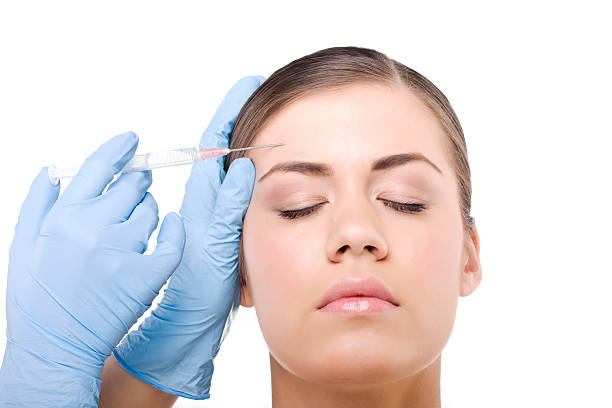
Sagging forehead skin can gradually change the appearance of the upper face, making the forehead look heavier and contributing to a tired or aged facial expression. As skin elasticity changes with age, the tissues around the forehead and eyebrows may lose some of their youthful positioning. A forehead lift in Abu Dhabi is an aesthetic procedure designed to address these concerns by repositioning the forehead tissues and creating a smoother, more refreshed appearance. Understanding how the procedure works can help explain why it may be considered for visible sagging and changes in the upper face.
How Does a Forehead Lift Address Sagging Skin?
A forehead lift focuses on the upper portion of the face, particularly the forehead and eyebrow area. During the procedure, tissues can be repositioned to create a smoother forehead contour and improve the relationship between the forehead and eyebrows. The approach is intended to reduce the appearance of sagging while maintaining natural facial proportions.
The degree of improvement depends on the amount of skin laxity, tissue position, facial structure, and the overall condition of the skin. A forehead lift is not simply about tightening the surface of the skin. It can involve adjusting underlying tissues so that the forehead and brow area have a more balanced appearance.
What Causes Forehead Skin to Sag?
Forehead skin can become less firm for several reasons. The natural aging process gradually affects collagen and elastin, which are important for maintaining skin structure and elasticity. Over time, repeated facial movements, changes in tissue volume, and reduced skin resilience can contribute to visible lines and looseness.
Sun exposure can also influence the appearance of aging skin, while individual facial anatomy determines how changes become visible. Some people may notice sagging mainly around the eyebrows, while others may see more noticeable looseness across the forehead.
Can a Forehead Lift Improve a Heavy-Looking Forehead?
A heavy-looking forehead may sometimes be associated with lowered eyebrow positioning or excess tissue in the upper facial area. A forehead lift can reposition tissues in this region, potentially creating a more open and balanced appearance.
The objective is generally not to create an exaggerated or dramatically altered look. Instead, the procedure can be planned around the person’s existing facial structure so that changes to the forehead and eyebrow region remain proportionate to the rest of the face.
How Does a Forehead Lift Affect the Eyebrow Area?
The forehead and eyebrows are closely connected, so changes in one area can influence the overall appearance of the upper face. When tissues around the forehead become lower, the eyebrows may also appear lower than they previously did.
A forehead lift may reposition the eyebrow area while improving the appearance of forehead laxity. This can make the upper face look more refreshed and can help create smoother transitions between the forehead, eyebrows, and surrounding facial features.
Is a Forehead Lift Suitable for Different Degrees of Sagging?
The suitability of a forehead lift depends on the specific characteristics of the forehead and upper facial area. People with noticeable skin laxity may have different needs from those with mild changes in tissue position.
A professional assessment can consider skin quality, facial proportions, eyebrow position, the distribution of forehead tissue, and the individual’s aesthetic goals. These factors help determine whether a forehead lift is an appropriate approach for the particular type of sagging present.
Can a Forehead Lift Create a More Youthful Facial Appearance?
Aging-related changes in the forehead can affect the overall expression of the face. When the forehead and eyebrow tissues become lower, the upper face may appear less open or more tired. By repositioning these tissues, a forehead lift can contribute to a smoother and more refreshed facial appearance.
The procedure focuses specifically on the upper face, so the resulting change is related primarily to the forehead and eyebrow region. A balanced approach can help the treated area complement the natural appearance of the remaining facial features.
What Happens During Forehead Lift Planning?
Planning begins with an assessment of the forehead, eyebrows, skin quality, and facial proportions. The amount and location of sagging are considered along with the desired degree of change.
The position of the hairline, natural eyebrow shape, forehead dimensions, and existing facial contours can also be evaluated. This individualized planning is important because every person’s forehead has a different structure and pattern of aging.
How Long Can the Results of a Forehead Lift Remain Noticeable?
A forehead lift can provide a long-lasting change in the position and appearance of the upper facial tissues. However, the procedure does not stop the natural aging process. Skin and underlying tissues continue to change over time.
The longevity of visible results can vary according to factors such as age, skin characteristics, facial structure, and the natural progression of aging. Maintaining realistic expectations is therefore an important part of considering the procedure.
Can a Forehead Lift Smooth Forehead Lines?
Forehead lines are often associated with repeated facial movement and changes in skin elasticity. Because a forehead lift can reposition and smooth tissues in the upper face, it may also improve the appearance of some forehead lines.
However, the primary purpose of the procedure is tissue repositioning rather than treating every type of facial line. The extent of improvement depends on whether the lines are mainly related to tissue laxity, facial movement, or changes in skin quality.
Why Is Natural-Looking Positioning Important?
The forehead and eyebrows play an important role in facial expression. Excessive elevation or uneven positioning can change the natural character of the face. For this reason, achieving proportionate positioning is an important consideration when planning a forehead lift.
A natural-looking result aims to improve sagging while preserving the person’s individual facial characteristics. The desired outcome is generally a smoother and more balanced upper face rather than a completely different appearance.
What Should Be Considered Before a Forehead Lift?
Anyone considering a forehead lift should understand what the procedure can and cannot address. It is primarily intended for concerns involving the forehead and eyebrow region. Other facial areas may have different causes of aging and may require different approaches.
An appropriate assessment can help identify the main source of the visible concern. Discussing expectations and understanding the intended changes can also help establish realistic goals before treatment.
Frequently Asked Questions
Is a forehead lift effective for sagging forehead skin?
A forehead lift can be effective for addressing certain types of forehead skin laxity and tissue descent. Its effectiveness depends on the individual’s facial anatomy, degree of sagging, skin quality, and the specific approach used.
Can a forehead lift improve sagging eyebrows?
Yes, a forehead lift can reposition tissues around the forehead and eyebrow region. This may improve the appearance of lowered eyebrows when their position is associated with changes in the upper facial tissues.
Does a forehead lift remove all forehead wrinkles?
No procedure can necessarily remove every forehead wrinkle. A forehead lift primarily addresses tissue position and laxity, although smoothing the area may reduce the appearance of some lines.
Can a forehead lift make the face look younger?
A forehead lift can create a smoother and more refreshed appearance by addressing sagging in the upper face. The visible effect depends on the individual’s starting anatomy and the degree of tissue laxity.
Is the result of a forehead lift permanent?
The structural changes can remain noticeable for a long period, but natural aging continues after the procedure. Therefore, the appearance of the forehead may gradually change over time.
Is a forehead lift appropriate for mild forehead sagging?
Suitability depends on the cause and degree of sagging. An assessment of the forehead, eyebrows, skin quality, and facial proportions can help determine whether this approach matches the individual’s concerns.