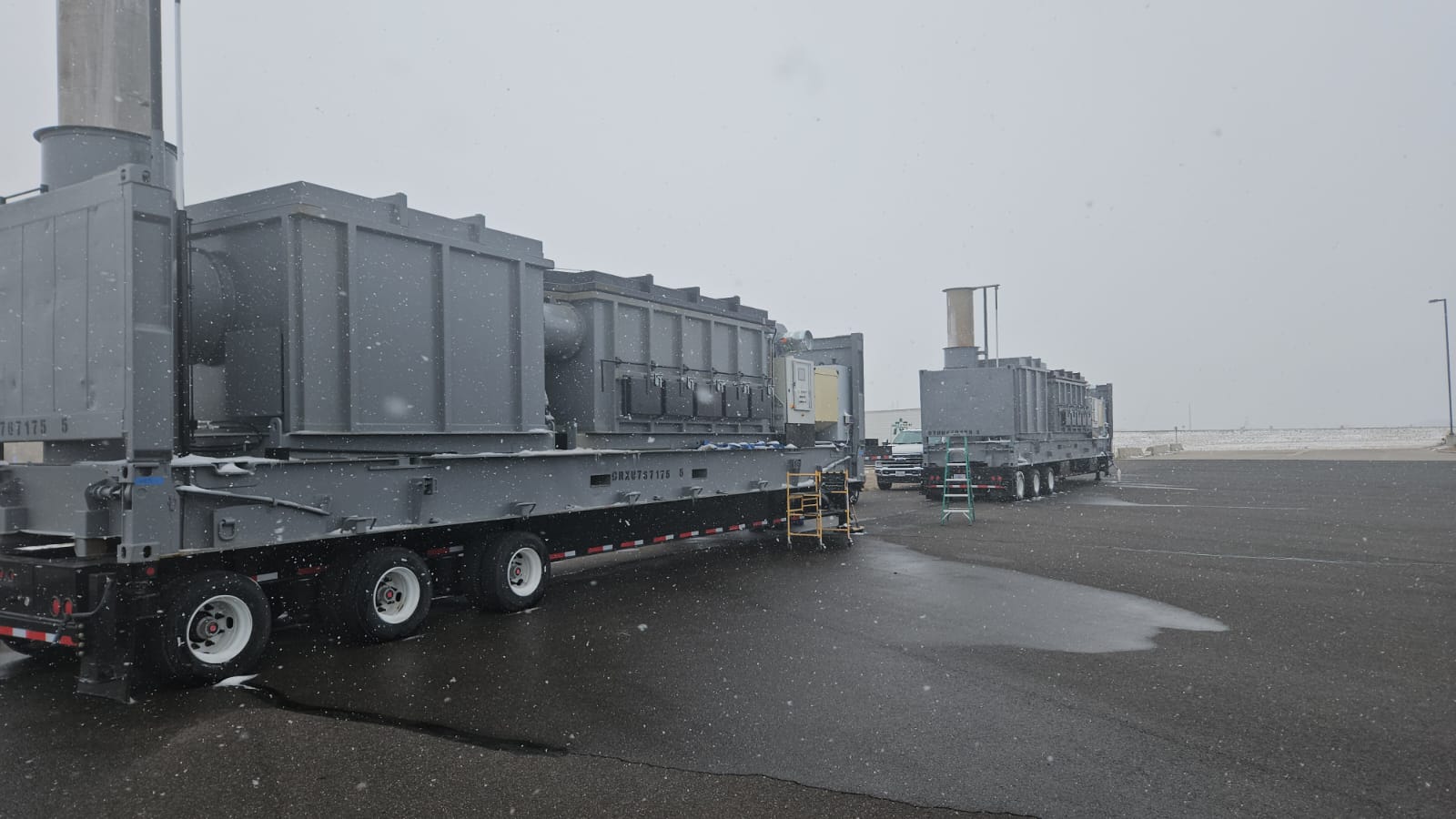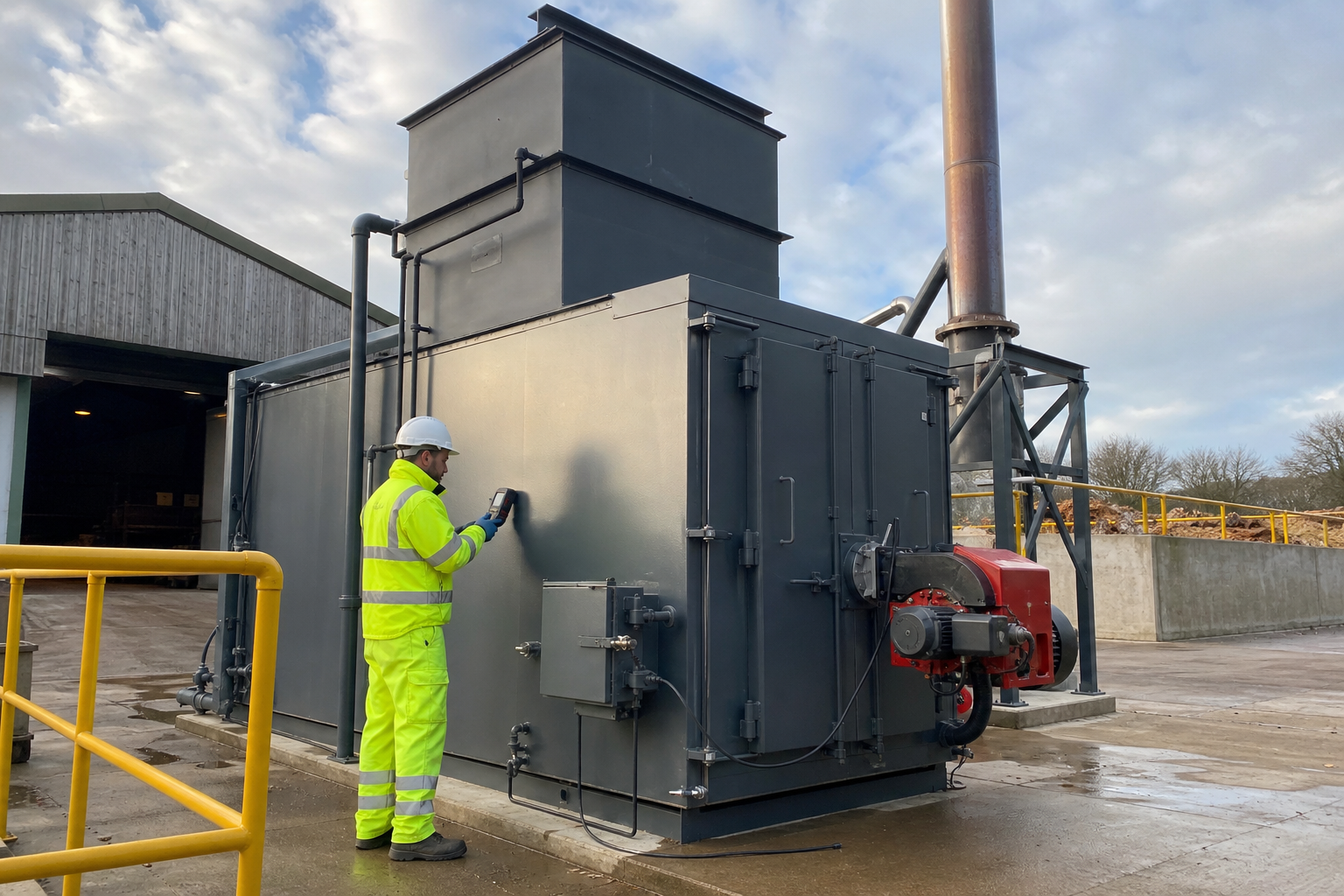
Incinerating animal carcasses and waste helps protect public health by eliminating foul odors, attractants for pests and rodents, and contaminants in the environment. Large Animal Waste Incinerators help save space by reducing the volume of the animal carcasses and waste.
What is a Large Animal Waste Incinerator?
A Large Animal Waste Incinerator is a device that helps dispose of animal carcasses and waste by internal combustion. These incinerators are designed to dispose of carcasses of large animals such as cows and horses and small animals such as sheep and goats. Upon complete combustion, the remains of the animal waste are converted to ash. The ash takes up a small volume of space compared to the original waste. This makes transport and disposal of the ash easy.
Biosecurity and Control of Infectious Diseases
Large Animal Waste Incinerators help farms and similar facilities control and manage biosecurity. Animal carcasses may contain pathogens and infectious agents. These agents may be transmitted to other animals and humans through different means including bites of infected insects and other pests. By incinerating the carcasses at high temperatures, the infectious agents are eliminated. Thus, the use of large animal waste incinerators is helpful to control and manage biosecurity of farms and similar facilities.
Efficient Disposal of Large Livestock Carcasses
Disposing of large livestock carcasses can be challenging due to the size of the carcass and the limitations of available methods for burial and other forms of disposal. Large capacity incinerators can address this challenge by providing an on site or centralized means for disposal of large quantities of livestock carcasses and other animal waste.
Different designs of incinerators allow users to choose equipment that best fits their requirements based on the expected volumes of waste to be disposed of, the fuel used, and other considerations. This flexibility means that incineration can be used for routine disposal of animal mortality.
Additional Benefits of Incineration
Leaving animal remains unattended can create an environmental nuisance, and may potentially lead to pollution of soil and groundwater. Decaying remains can also cause nuisance odors and attract pests. In a well designed system, remains are totally combusted and do not remain to create a nuisance or pollute the environment. Combustion can be completed to a high degree and the exhaust gases of the system can be controlled, as needed, by equipment installed in the incinerator.
Controlled Disposal of Dead Bodies
A Dead Body Cremation Incinerator is a system designed to totally combust and dispose of dead bodies. Such a system can provide a more suitable means of disposal than traditional methods. When using such a system, a number of considerations must be evaluated including the type of construction, the size of the combustion chamber, the design and type of the burners, the type of fuels to be used, the degree of automation, the emission controls, and the overall efficiency of the system.
Reduction of Waste Volume and Improvement of Processes
Animal remains are substantially reduced in size and volume via incineration. This process produces ash that is significantly smaller in volume than the animal remains, and simplifies waste management. This process may also eliminate the need for large burial areas, and repeated transport of animal remains.For facilities regularly managing animal mortality, the use of incineration provides control over waste management.
Selection of an Incinerator
Prior to purchase, consideration should be given to the volume and type of waste produced, the size of the animals, the method of waste loading, the availability of space, the cost of operation, the fuel to be used, the environmental conditions, and the expected throughput.
Conclusion
Incinerators are designed to destroy waste in a controlled and hygienic manner. The use of an incinerator in the farm or in a veterinary clinic facilitates the management of waste that contains biological remains, and helps control pests and other organisms that may be transmitted by the waste.