
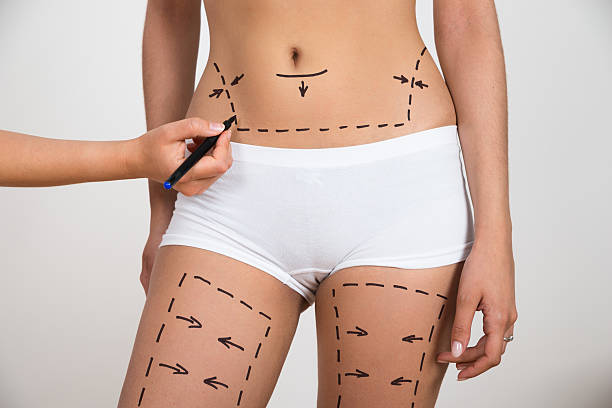
A sagging abdomen can develop when excess skin, localized fat, and changes in abdominal structure alter the natural contour of the midsection. Pregnancy, substantial weight changes, and the gradual loss of skin elasticity can all contribute to a lower abdomen that appears loose or less defined. For adults looking to address several of these concerns together, Lipo abdominoplasty in Abu Dhabi combines liposuction with abdominoplasty to refine localized fat and reshape excess abdominal skin. This combined approach may help create a flatter, smoother, and more structured abdominal profile when appropriately suited to the individual’s anatomy.
What Causes an Abdomen to Sag?
Abdominal sagging can have several contributing factors. Skin stretches when the abdomen expands, and it may not completely return to its previous shape after pregnancy or significant weight changes. Aging can also gradually reduce skin elasticity, making loose tissue more noticeable.
Localized fat can add volume beneath the skin and make the lower abdomen appear heavier. Changes in the abdominal wall can also affect the profile of the midsection. When these factors occur together, addressing only one of them may not provide the desired contour.
Understanding the source of abdominal sagging is therefore important when considering body-contouring treatment.
What Is Lipo Abdominoplasty?
Lipo abdominoplasty is a combined abdominal contouring procedure that incorporates liposuction and abdominoplasty. Liposuction focuses on selected deposits of localized fat, while abdominoplasty addresses excess skin and reshapes the abdominal area.
These techniques complement each other because they target different tissues. Liposuction can reduce unwanted fullness, while abdominoplasty can remove excess skin that contributes to a sagging appearance.
When appropriate, the abdominal wall may also be addressed as part of the abdominoplasty component. This can be relevant when structural changes contribute to abdominal projection or reduced definition.
Can It Tighten a Sagging Abdomen?
One of the primary purposes of abdominoplasty is to address excess abdominal skin. When skin has become significantly stretched or loose, removing selected excess tissue can create a smoother and more streamlined abdominal surface.
Liposuction can complement this process by refining localized fat beneath the skin. This combination may help reduce the heavy or bulky appearance that can contribute to a sagging abdomen.
However, the extent of contour improvement varies between individuals. The amount of excess skin, skin elasticity, fat distribution, and abdominal structure all influence what can realistically be achieved.
How Does Liposuction Help?
Liposuction does not directly tighten loose skin. Instead, it removes selected deposits of fat beneath the skin to improve body contour.
For a sagging abdomen, reducing localized fat can make the abdominal area appear less bulky. When combined with removal of excess skin, this can produce a more refined relationship between the abdominal surface and the underlying contour.
Liposuction is therefore most useful when excess fat is contributing to the appearance of abdominal fullness alongside loose skin.
How Does Abdominoplasty Address Loose Skin?
Abdominoplasty focuses on the abdominal skin envelope. Excess tissue can develop after pregnancy, major weight loss, or changes in skin elasticity over time.
During abdominoplasty, selected excess skin is removed and the remaining tissue is repositioned to create a smoother abdominal profile. This can substantially change the appearance of a lower abdomen that has become loose or overhanging.
The procedure is different from liposuction because its primary purpose is not fat removal. Instead, it focuses on skin and abdominal contour.
Can It Address Abdominal Muscle Changes?
In some individuals, the abdominal wall may contribute to a protruding or less-defined abdomen. Pregnancy and other major changes can affect the positioning of the abdominal muscles and connective tissues.
When appropriate, the abdominoplasty component may include correction of certain abdominal wall changes. Addressing this deeper layer can contribute to a more structured abdominal profile.
Whether this is relevant depends on individual anatomy. Not every person with a sagging abdomen has the same underlying structural concerns.
Is It Suitable After Pregnancy?
Pregnancy is one of the common reasons people experience significant abdominal changes. The skin stretches as the abdomen expands, while the abdominal wall and fat distribution can also change.
For adults who have completed their desired pregnancies, lipo abdominoplasty may be considered when loose skin and localized abdominal fat remain. Combining the two techniques can address several visible changes at the same time.
Future pregnancy plans should be considered because another pregnancy can stretch the abdominal tissues and change the contour again.
Can It Help After Significant Weight Loss?
Major weight loss can reduce overall body volume but may leave behind loose abdominal skin. Some people may also retain localized fat despite reaching a stable weight.
Lipo abdominoplasty can potentially address both concerns. Liposuction can refine selected areas of remaining localized fat, while abdominoplasty can remove excess skin that no longer closely follows the abdominal contour.
For this reason, reaching a relatively stable weight is generally an important consideration before undergoing abdominal contouring.
Can It Improve the Lower Abdomen?
The lower abdomen is often one of the areas where excess skin and localized fat become particularly noticeable. A fold or overhanging appearance can develop when stretched skin combines with underlying fullness.
Abdominoplasty can address selected excess lower-abdominal skin, while liposuction can refine appropriate areas of fat. Together, these techniques may create a smoother transition between the lower abdomen and the waist.
The resulting contour depends on the amount of tissue present and the person’s natural anatomy.
Can It Improve Waist Definition?
A sagging abdomen can make the waist appear less distinct by creating fullness around the center of the body. Improving the abdominal contour can therefore have an effect on the appearance of the waist.
Liposuction can reduce selected fullness around the abdomen and appropriate surrounding areas, while abdominoplasty can create a smoother abdominal surface. This may make the waist appear more defined and enhance the visual relationship between the waist and hips.
The objective should remain natural proportion rather than an excessively narrow waist.
Who May Be a Suitable Candidate?
Lipo abdominoplasty may be considered by adults who have relatively stable weight and are concerned about a combination of excess abdominal skin and localized fat. It can be relevant for people whose abdominal shape has changed after pregnancy, significant weight loss, or natural changes over time.
Suitability depends on more than the appearance of the abdomen. Overall physical condition, skin elasticity, abdominal structure, fat distribution, and expectations all need to be considered.
A personalized evaluation can help determine whether combined contouring addresses the actual causes of abdominal sagging.
Setting Realistic Expectations
Lipo abdominoplasty can improve a sagging abdomen, but it cannot stop the natural aging process or prevent future changes in body composition. The procedure is intended to reshape selected tissues and establish a more refined abdominal contour.
Realistic expectations focus on improving shape, definition, and proportion rather than achieving an entirely unchanged abdomen. Maintaining a relatively stable weight can also help support the long-term contour.
Understanding the distinct roles of liposuction and abdominoplasty makes it easier to appreciate what the combined approach can accomplish.
The Bottom Line
Lipo abdominoplasty can help improve a sagging abdomen when loose skin and localized fat contribute to the appearance of the midsection. Liposuction can reduce selected areas of abdominal fullness, while abdominoplasty can remove excess skin and reshape the abdominal profile. When appropriate, abdominal wall correction may further contribute to a flatter and more structured appearance.
The approach can be particularly relevant for adults whose abdomen has changed after pregnancy or significant weight loss. Ultimately, the potential improvement depends on individual anatomy, tissue characteristics, weight stability, and personal contouring goals.
FAQs
Can lipo abdominoplasty tighten a sagging stomach?
It can improve the appearance of a sagging abdomen by removing excess skin and refining localized fat. The abdominoplasty component addresses loose skin, while liposuction focuses on selected fat deposits.
Is liposuction alone enough for a sagging abdomen?
Liposuction primarily removes localized fat and does not remove significant excess skin. When sagging is mainly caused by loose skin, abdominoplasty may be more relevant, with liposuction potentially complementing it when localized fat is also present.
Can the procedure help a sagging lower abdomen after pregnancy?
It may. Adults who have completed their desired pregnancies may consider lipo abdominoplasty when pregnancy has left excess skin and localized abdominal fullness. Individual assessment is important.
Can lipo abdominoplasty improve a sagging abdomen after weight loss?
Yes, it may help when excess skin and localized fat remain after substantial weight loss and the person’s weight has become relatively stable. The procedure is intended for contouring rather than additional weight reduction.
Does lipo abdominoplasty permanently prevent abdominal sagging?
No procedure can prevent natural changes over time. Lipo abdominoplasty can create a lasting improvement in abdominal contour, but aging, pregnancy, and major weight fluctuations can alter the shape of the abdomen in the future.

