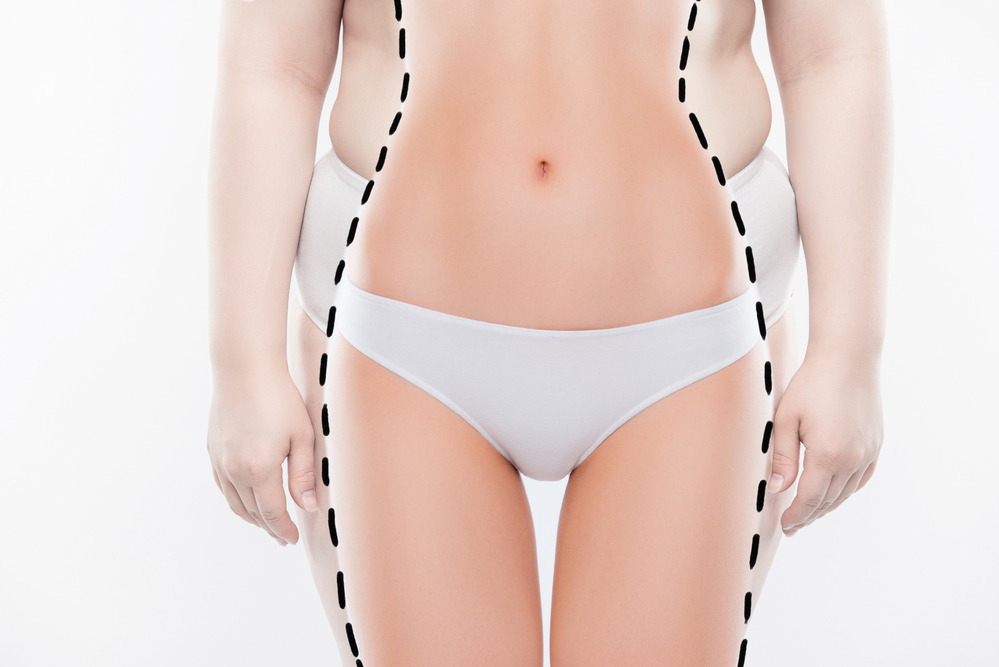
Liposuction Uae can be an effective body-contouring procedure, but it has clear boundaries that are important to understand before treatment. It is designed to remove localized deposits of fat and create a more defined body shape rather than act as a general weight-loss method. Understanding these limits helps individuals develop realistic expectations and appreciate what the procedure can and cannot achieve.
Liposuction Is Not a Weight-Loss Procedure
One of the most important limitations is that liposuction is not intended to replace healthy weight management. The procedure Liposuction Uae focuses on specific areas where stubborn fat remains despite regular lifestyle habits. It can reshape selected contours, but it does not treat overall excess body weight.
Individuals with significant weight concerns may need to reach a more suitable and stable weight before considering body contouring. A suitable candidate is generally someone who has realistic expectations and wants refinement rather than dramatic overall weight reduction.
It Targets Localized Fat Deposits
Liposuction works best when unwanted fat is concentrated in particular areas. Common treatment zones can include:
- Abdomen
- Waist
- Hips
- Thighs
- Arms
- Back
- Under the chin
The technique can improve the appearance of these areas by removing targeted fat cells. However, it cannot remove every fat cell from an area, and complete fat elimination is neither the purpose nor the realistic goal of treatment.
It Cannot Create Perfect Body Contours
Body shape is influenced by genetics, bone structure, muscle distribution, skin quality, and natural fat patterns. Because of these factors, liposuction cannot guarantee a perfectly sculpted appearance.
The goal is usually improved proportion and smoother contouring. Individual anatomy determines how much refinement can realistically be achieved. A carefully planned procedure works within the body’s existing structure rather than attempting to completely redesign it.
Skin Quality Creates an Important Boundary
Another significant limitation involves skin elasticity. Liposuction primarily addresses excess fat beneath the skin, while loose or significantly stretched skin may require a different approach.
When skin has good elasticity, it may contract more effectively after fat removal. When elasticity is limited, removing fat alone may not produce the desired level of firmness. This is why an assessment of skin quality is an important part of treatment planning.
It Does Not Remove Cellulite
Liposuction is not specifically designed to eliminate cellulite. Cellulite involves changes in the relationship between skin, connective tissue, and underlying fat. Removing localized fat does not necessarily address those structural features.
Individuals seeking smoother-looking skin should understand that fat reduction and cellulite improvement are separate aesthetic goals. This distinction helps prevent unrealistic expectations.
Results Depend on Individual Anatomy
Every person’s body responds differently to contouring. The amount and distribution of fat, skin elasticity, body proportions, muscle structure, and existing contours can all influence the final appearance.
For this reason, treatment plans are individualized rather than based on a universal formula. A technique that works well for one person may not produce the same type of contour in another person.
There Are Limits to How Much Fat Can Be Removed
Safe treatment planning involves setting reasonable limits on the amount of fat addressed during a procedure. Removing an excessive amount is not automatically associated with a better aesthetic outcome.
The objective is controlled contouring while preserving natural proportions. Removing too much fat from one area can potentially create an unnatural appearance, which is why moderation and precision are central to body sculpting.
It Cannot Stop Future Changes in Body Shape
Liposuction permanently removes many fat cells from treated areas, but the remaining cells can still change in size. Future fluctuations in body weight can therefore influence the overall contour.
Age, lifestyle, hormonal changes, pregnancy, and natural body changes may also affect appearance over time. Liposuction should therefore be viewed as a contouring procedure rather than a permanent guarantee of an unchanged body shape.
It Does Not Replace Muscle Definition
Fat removal and muscle development are different processes. Liposuction can uncover existing contours by reducing a layer of localized fat, but it does not build muscle.
Someone seeking a more athletic appearance may still need appropriate physical activity to develop muscular definition. The procedure can complement natural body structure, but it cannot create muscle where there is little underlying development.
Treatment Areas Have Practical Boundaries
Not every body area is suitable for aggressive fat removal. Delicate regions and areas with limited fat require especially careful planning. The thickness of the fatty layer, proximity of important anatomical structures, and skin characteristics all influence what can reasonably be treated.
A qualified assessment helps determine which areas are appropriate and how much contouring can be achieved without compromising natural proportions.
The Process Starts With Individual Assessment
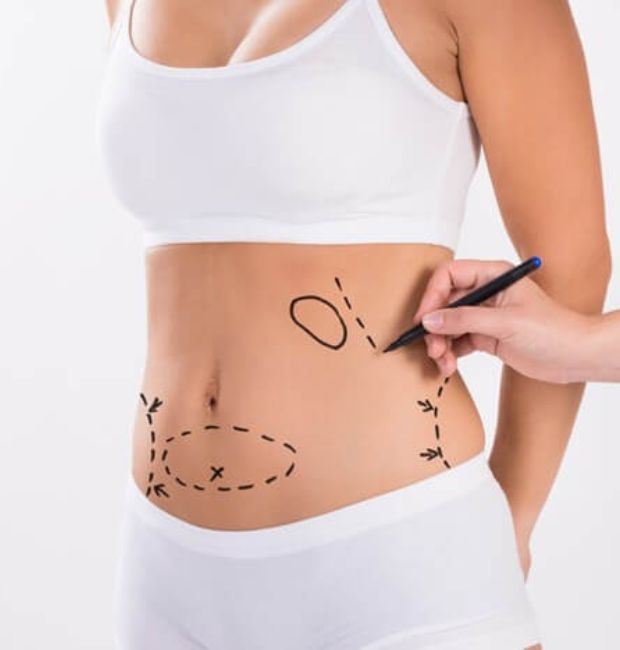
Before treatment, an evaluation is generally used to understand the person’s goals, body composition, skin condition, and areas of concern. The treatment area can then be mapped according to the desired contour.
During the procedure, small openings allow specialized equipment to access the targeted fatty layer. Fat is carefully loosened and removed in a controlled manner. The technique and treatment approach can vary according to the body area and individual anatomy.
The process is focused on precision rather than simply removing the largest possible amount of fat.
What Benefits Can Realistically Be Expected?
When appropriately selected, liposuction may provide several contouring benefits. These can include:
- Improved body proportions
- Reduction of localized fat pockets
- More defined contours
- Better harmony between nearby body areas
- Greater visibility of the body’s natural shape
The most meaningful benefit is often refinement. Instead of changing the entire body, treatment can address specific areas that appear disproportionate or resistant to conventional efforts.
What the Procedure Cannot Guarantee
Clear expectations are essential. Liposuction cannot guarantee:
- A specific body weight
- Perfect symmetry
- Permanent body shape regardless of future changes
- Complete removal of all fat
- Elimination of cellulite
- Major muscle development
- Correction of significant loose skin through fat removal alone
Understanding these boundaries allows individuals to evaluate the procedure more realistically and make informed decisions.
Who May Need to Reconsider Treatment?
Certain situations may make liposuction less suitable. Individuals with unrealistic expectations, unstable body weight, substantial loose skin, or goals centered primarily on weight loss may require a different treatment strategy.
An assessment is useful because suitability depends on several factors rather than a single measurement. The person’s goals, anatomy, overall circumstances, and expectations all contribute to the decision-making process.
Why Realistic Expectations Matter
A successful body-contouring experience is not simply about removing fat. It is also about creating a result that fits naturally with the person’s existing proportions.
Realistic expectations help individuals understand that subtle improvements can sometimes create a more balanced appearance than aggressive changes. Good contouring aims to preserve natural-looking transitions between treated and untreated areas.
Frequently Asked Questions
Can Liposuction Remove All Body Fat?
No. The procedure is intended to reduce selected localized fat deposits, not eliminate all fat from the body. A certain amount of natural fat is necessary for normal body structure and appearance.
Is Liposuction Suitable for Weight Loss?
It is generally considered a body-contouring procedure rather than a weight-loss solution. Individuals primarily seeking substantial weight reduction may need to consider approaches specifically designed for weight management.
Can Liposuction Tighten Loose Skin?
Fat removal and skin tightening are separate concerns. Skin with reasonable elasticity may contract to some degree, but significant looseness may not be corrected through fat removal alone.
Can the Same Area Be Treated More Than Once?
Further treatment depends on individual anatomy, previous treatment, remaining fat distribution, skin condition, and the desired outcome. An appropriate assessment is needed before considering additional contouring.
Does Liposuction Change Body Proportions?
Yes, targeted fat removal can alter proportions by reducing fullness in selected areas. However, the degree of change depends on the individual’s natural anatomy and the treatment plan.
Is Liposuction a Substitute for Exercise?
No. Liposuction does not replace physical activity or muscle development. It is primarily intended to refine localized contours.
Understanding the Limits Before Treatment
Knowing the boundaries of body contouring can make the decision process much clearer. The strongest candidates generally understand that the procedure is about shaping specific areas rather than pursuing perfection. Careful assessment, realistic goals, and an individualized approach can help establish what level of improvement is practical.
Conclusion
Liposuction Uae has meaningful potential for refining stubborn localized fat and improving body proportions, but its limits are equally important. It cannot serve as a substitute for weight management, eliminate every fat deposit, create muscle, or guarantee an unchanged body shape forever. When expectations match the actual purpose of treatment, body contouring can become a focused way to enhance natural proportions while maintaining a balanced and realistic appearance.