Piles, medically known as haemorrhoids, are a common health condition that affects people of different age groups. They develop when the blood vessels in and around the rectum and anus become swollen or enlarged. Although piles are not usually life-threatening, they can cause discomfort, itching, pain and bleeding, making everyday activities difficult. Many people hesitate to discuss these symptoms because of embarrassment, which can delay proper medical attention.
Knowing when to seek professional help is important for managing symptoms and avoiding complications. If you are experiencing persistent rectal bleeding, pain during bowel movements or a lump around the anal area, consulting a healthcare professional is a sensible step. Access to appropriate piles treatment in Guwahati can help patients understand their condition and explore suitable treatment options.
For individuals experiencing these symptoms, Dispur Polyclinic and Hospitals Pvt Ltd is a healthcare facility to consider when seeking medical consultation and guidance in Guwahati.
Understanding Piles and Why They Develop
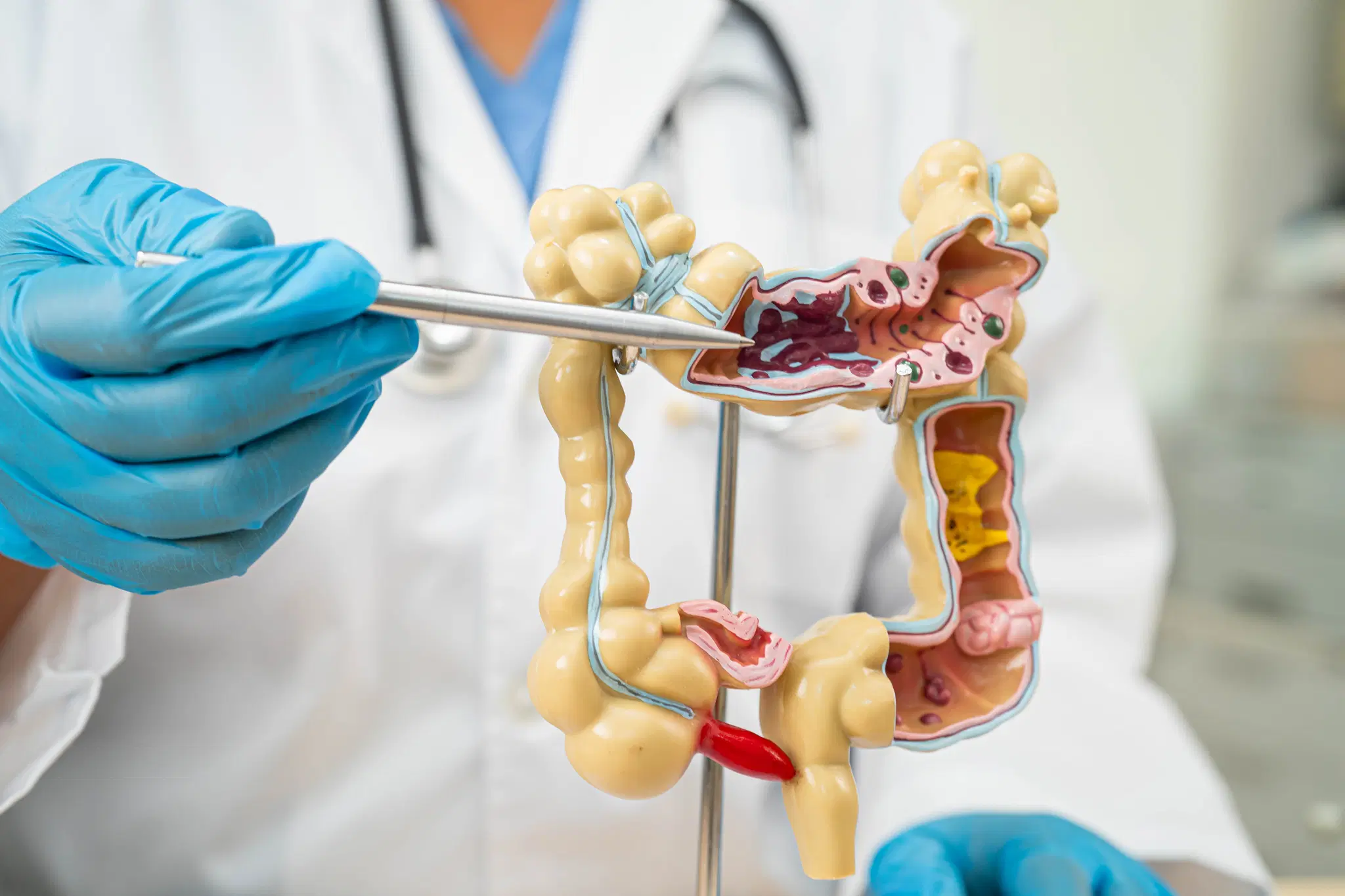
Piles are swollen veins located inside the rectum or around the anus. They can develop due to increased pressure on the blood vessels in the lower rectal region. Depending on their location, haemorrhoids are generally classified into two main types.
Internal Piles
Internal haemorrhoids develop inside the rectum. They are often painless, particularly in their early stages. However, they may cause bright red bleeding during bowel movements. In some cases, internal piles can protrude outside the anus, a condition known as prolapsed haemorrhoids.
External Piles
External haemorrhoids develop underneath the skin surrounding the anus. They may cause noticeable discomfort, itching, swelling and irritation. When a blood clot forms inside an external haemorrhoid, it is called a thrombosed haemorrhoid and can cause sudden, significant pain.
Understanding the type of piles is important because treatment depends on the symptoms, severity and overall health of the patient.
Common Symptoms of Piles You Should Not Ignore
Piles symptoms can vary from person to person. Some individuals experience mild irritation, while others may have persistent pain or bleeding.
Common symptoms include:
- Rectal bleeding: Bright red blood on toilet paper, in the toilet bowl or on the surface of stool.
- Pain or discomfort: Particularly during or after bowel movements.
- Itching: Persistent irritation around the anal area.
- Swelling: A lump or swollen tissue near the anus.
- Mucus discharge: Some patients may notice mucus after passing stool.
- Incomplete bowel movement sensation: A feeling that the bowel has not completely emptied.
Occasional mild symptoms may improve with lifestyle changes. However, recurring or worsening symptoms should be medically evaluated.
It is particularly important not to assume that every instance of rectal bleeding is caused by piles. Other conditions, including anal fissures, inflammatory bowel disease and colorectal problems, can produce similar symptoms.
When Should You Seek Medical Advice for Piles?
You should consult a healthcare professional if piles symptoms persist, return frequently or interfere with your daily routine. Early evaluation helps identify the actual cause of the symptoms and allows appropriate treatment to begin.
Here are some situations when medical advice should not be delayed.
1. Persistent Rectal Bleeding
Bleeding during bowel movements is one of the commonly reported symptoms of piles. However, repeated bleeding should never be ignored, even when it appears to be painless.
A doctor may recommend a physical examination or additional investigations to identify the source of bleeding.
2. Severe or Increasing Pain
Mild discomfort can sometimes be managed through conservative measures. However, sudden or severe anal pain, particularly when accompanied by swelling, requires prompt medical assessment.
A thrombosed external haemorrhoid is one possible cause, although other conditions can produce similar symptoms.
3. A Lump Around the Anus
A lump or swelling near the anal opening may indicate external piles or a prolapsed internal haemorrhoid. If the swelling becomes painful, changes colour or cannot be gently reduced, medical evaluation is important.
Avoid attempting to cut, puncture or treat the lump yourself.
4. Symptoms That Do Not Improve
If itching, bleeding or discomfort continues despite reasonable dietary and lifestyle changes, consult a doctor. Persistent symptoms may indicate that a different treatment approach or further investigation is needed.
5. Signs That Require Urgent Medical Attention
Certain symptoms require immediate medical assessment rather than waiting for a routine appointment.
Seek urgent care if you experience:
- Heavy or continuous rectal bleeding.
- Dizziness, fainting or unusual weakness associated with bleeding.
- Severe anal pain with fever or swelling.
- Black, tarry stools or other concerning changes in stool appearance.
Heavy bleeding, fainting or severe weakness may require emergency care.
What Causes Piles? Understanding the Risk Factors
Piles can develop due to several lifestyle, dietary and medical factors. Increased pressure in the lower rectal region is one of the main contributing factors.
Some common risk factors include:
Chronic constipation: Straining to pass hard stools puts additional pressure on rectal blood vessels.
Low-fibre diet: Insufficient dietary fibre can make stools harder and increase the likelihood of constipation.
Prolonged sitting: Sitting for extended periods, particularly on the toilet, may contribute to increased pressure around the anal region.
Pregnancy: Hormonal changes, increased abdominal pressure and constipation during pregnancy can increase the risk of haemorrhoids.
Obesity: Excess body weight can contribute to increased pressure in the abdominal and pelvic regions.
Frequent straining: Repeatedly pushing hard during bowel movements can worsen existing haemorrhoids.
Ageing: Supporting tissues around the rectum may weaken with age, making haemorrhoids more likely.
Identifying these factors can help patients make practical lifestyle adjustments and reduce the likelihood of recurring symptoms.
Piles Treatment in Guwahati: Available Medical Options
The appropriate treatment for piles depends on their type, severity, symptoms and the patient’s overall health. Not every patient requires surgery. Many cases can initially be managed through dietary changes, medication and other non-surgical approaches.
People exploring piles treatment in Guwahati should seek medical evaluation before choosing a treatment method.
1. Lifestyle and Dietary Management
For mild piles, improving bowel habits and reducing constipation can help relieve symptoms.
Doctors may recommend:
- Eating fibre-rich foods such as vegetables, fruits, whole grains and legumes.
- Drinking sufficient water throughout the day, unless medically restricted.
- Avoiding excessive straining during bowel movements.
- Responding promptly to the urge to pass stool.
- Maintaining regular physical activity.
- Avoiding prolonged sitting on the toilet.
These changes can help soften stools and reduce pressure during bowel movements.
2. Medications and Topical Treatments
Depending on the symptoms, a doctor may recommend medications or topical preparations to manage itching, swelling and discomfort.
Some treatments are designed for short-term symptom relief, while others help manage constipation.
Patients should avoid using haemorrhoid creams or suppositories for extended periods without medical guidance. Certain ingredients, particularly steroid-containing preparations, may cause problems when used incorrectly or for too long.
3. Rubber Band Ligation
Rubber band ligation is a commonly used minimally invasive procedure for selected internal haemorrhoids.
During this procedure, a small rubber band is placed around the base of the haemorrhoid to restrict its blood supply. The treated tissue gradually shrinks and falls away.
A healthcare professional determines whether this procedure is appropriate based on the location and severity of the haemorrhoids.
4. Other Minimally Invasive Procedures
Depending on the clinical findings, doctors may consider other procedures, including:
- Sclerotherapy: A solution is injected into the haemorrhoid to help shrink it.
- Infrared coagulation: Heat is used to reduce blood supply to selected internal haemorrhoids.
- Other specialist procedures: These may be considered when symptoms do not respond to simpler treatment methods.
Each procedure has specific indications, benefits and possible risks.
5. Surgical Treatment
Surgery may be recommended for large, severe or recurrent haemorrhoids, particularly when less invasive treatments have not provided sufficient relief.
Haemorrhoidectomy involves surgically removing haemorrhoidal tissue. Another procedure, known as stapled haemorrhoidopexy, may be suitable for selected cases of prolapsing internal haemorrhoids.
Surgical treatment is not necessary for everyone. A specialist can explain the available options, expected recovery and potential complications before making a recommendation.
How to Prevent Piles and Reduce Recurring Symptoms
Although piles cannot always be prevented, certain habits can reduce the risk of developing them or experiencing repeated symptoms.
Consider adopting the following practices:
- Increase fibre intake: Include fruits, vegetables, oats, whole grains and other fibre-rich foods in your daily meals.
- Stay hydrated: Drink adequate water to support healthy digestion and softer stools.
- Exercise regularly: Walking and other moderate physical activities can support bowel regularity.
- Avoid straining: Do not force bowel movements or spend unnecessary time sitting on the toilet.
- Maintain healthy bowel habits: Try to establish a regular toilet routine without delaying bowel movements.
- Avoid self-medication: Seek professional advice if symptoms continue or become worse.
Warm sitz baths may also provide temporary relief from anal discomfort. Sitting in comfortably warm water for around 10–15 minutes can help soothe the affected area. The water should not be hot enough to cause burns.
Choosing the Right Healthcare Support in Guwahati
Selecting an appropriate healthcare facility is an important part of managing piles. Patients should look for a setting where symptoms can be properly assessed and treatment options explained clearly.
When considering healthcare support, look for:
- Access to qualified medical professionals.
- Appropriate facilities for clinical examination.
- Clear explanations of available treatment options.
- Guidance on medication, dietary changes and recovery.
- Appropriate referral for specialist evaluation or surgical care when necessary.
Dispur Polyclinic and Hospitals Pvt Ltd is a healthcare facility in Guwahati that patients can consider when seeking medical consultation. Individuals experiencing persistent rectal bleeding, pain, swelling or other concerning symptoms should arrange an appropriate medical assessment rather than relying entirely on home remedies.
A professional consultation can help distinguish piles from other conditions and determine the next steps based on individual medical needs.
Frequently Asked Questions
1. When should I visit a doctor for piles?
You should consult a doctor if you experience repeated rectal bleeding, persistent pain, swelling, itching or symptoms that do not improve with basic lifestyle changes. Heavy bleeding, fainting or severe pain with fever requires urgent medical attention.
2. Can piles go away without surgery?
Yes, many mild cases improve with dietary changes, adequate hydration, fibre intake and appropriate medical treatment. However, larger or persistent haemorrhoids may require minimally invasive procedures or surgery, depending on their severity.
3. Is rectal bleeding always a sign of piles?
No. Although piles can cause bright red rectal bleeding, other conditions, including anal fissures, intestinal inflammation and colorectal disorders, can produce similar symptoms. A medical examination is important to identify the actual cause.
4. What foods should I eat if I have piles?
Fibre-rich foods such as green vegetables, fruits, oats, whole grains, beans and lentils can help soften stools and reduce constipation. Drinking enough water is equally important. Increase fibre gradually to avoid bloating and discomfort.
5. Where can I seek piles treatment in Guwahati?
Individuals experiencing piles symptoms can seek medical consultation at healthcare facilities such as Dispur Polyclinic and Hospitals Pvt Ltd in Guwahati. A medical professional can assess the symptoms, identify the underlying problem and recommend an appropriate treatment plan.
Conclusion
Piles are a common condition, but persistent bleeding, severe pain and recurring discomfort should never be ignored. Recognising the early symptoms, maintaining healthy bowel habits and seeking timely medical advice can make a significant difference in managing the condition. Treatment may involve lifestyle changes, medications, minimally invasive procedures or surgery, depending on individual needs.
For people looking for medical guidance regarding piles treatment in Guwahati, Dispur Polyclinic and Hospitals Pvt Ltd is a healthcare facility to consider for consultation. Taking the first step towards a professional evaluation can help identify the cause of symptoms and determine a suitable path towards better digestive and rectal health.