
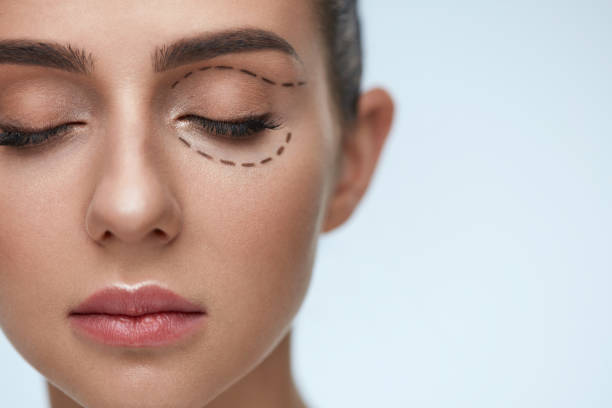
Puffiness around the eyes can change the appearance of the entire face, making the eyes look heavier, less defined, or persistently tired. While temporary under-eye swelling can have many causes, long-standing puffiness may be related to the natural structure of the eyelids and surrounding tissues. For people exploring surgical options for this concern, blepharoplasty abu dhabi may be considered as a procedure that focuses on refining the upper or lower eyelid area. When eyelid tissue is responsible for prominent fullness, blepharoplasty can help create a smoother, more balanced, and refreshed appearance.
Understanding What Causes Eye Puffiness
Eye puffiness can occur for different reasons, and identifying its underlying cause is important when considering eyelid surgery. Some fullness is temporary, while persistent under-eye bags may reflect changes in the skin and tissues surrounding the eyes.
As people age, the structures supporting the eyelids can gradually change. Skin may become less elastic, while underlying tissues can become more prominent or shift in position. These structural changes may produce fullness that remains visible regardless of how rested someone feels.
Genetics can also influence the appearance of the eye area. Some individuals naturally have more prominent tissue beneath the eyes, making puffiness noticeable earlier in life. In these situations, the appearance is more closely related to anatomy than to temporary changes.
How Can Blepharoplasty Reduce Puffiness?
Blepharoplasty can reduce certain types of eye puffiness by addressing the eyelid structures responsible for persistent fullness. Lower eyelid blepharoplasty is particularly associated with refining prominent tissue beneath the eyes and improving the transition between the lower eyelid and cheek.
The procedure is not simply about removing tissue. Depending on individual anatomy, treatment may involve carefully refining or repositioning selected structures to create a smoother contour. The objective is to reduce the visual prominence of the fullness while maintaining natural facial proportions.
Lower Eyelid Blepharoplasty and Under-Eye Bags
Lower eyelid puffiness is often described as under-eye bags. These may become more noticeable when underlying tissue creates a prominent contour beneath the lower eyelid.
Lower blepharoplasty can be considered when this structural fullness is a major contributor to the appearance. By refining the relevant tissues and improving the lower eyelid contour, the area may look smoother and less swollen.
The result is not necessarily a completely flat under-eye area. A small amount of natural fullness can be part of normal facial anatomy, and preserving appropriate contours is important for maintaining a natural appearance.
Can Blepharoplasty Treat Upper Eyelid Puffiness?
Although under-eye bags are more commonly associated with lower eyelid puffiness, the upper eyelids can also appear full or heavy. Excess skin or underlying tissue may contribute to a puffy appearance above the eyes.
Upper blepharoplasty can address selected excess skin and tissue characteristics when they are responsible for this heaviness. Refining the upper eyelid can reveal more of the natural eyelid contour and create a cleaner transition around the eyes.
Does Blepharoplasty Remove All Puffiness?
Not necessarily. The effectiveness of blepharoplasty depends on what is causing the puffiness. If persistent fullness is primarily related to eyelid structure, surgical refinement may provide meaningful improvement.
However, puffiness can also be influenced by factors unrelated to eyelid anatomy. In such situations, blepharoplasty may not eliminate the appearance completely. A detailed assessment is therefore important for determining whether eyelid surgery directly addresses the source of the concern.
The Importance of Natural-Looking Contours
Reducing puffiness does not mean eliminating every contour beneath the eyes. The lower eyelid naturally transitions into the cheek, and completely removing all fullness could create an appearance that does not fit the surrounding facial structures.
A natural-looking result focuses on proportion and balance. The objective is to reduce prominent or excessive fullness while preserving enough tissue and contour to maintain a smooth relationship between the eyelid and cheek.
How Individual Anatomy Affects Results
Every person’s eye area has unique characteristics. Skin thickness, elasticity, tissue distribution, cheek structure, eyelid position, and facial proportions can all influence the appearance of puffiness.
These differences also affect how blepharoplasty is planned. A person with prominent lower-eyelid tissue may require a different approach from someone whose primary concern is loose skin. Understanding the underlying anatomy helps ensure that treatment focuses on the feature most responsible for the puffy appearance.
Can Blepharoplasty Make the Eyes Look More Refreshed?
Reducing persistent eyelid fullness can make the eyes appear more refreshed because prominent puffiness often creates shadows and visual heaviness around the eye area. When the contour becomes smoother, the eyes may appear clearer and more alert.
This refreshed effect comes from improving the surrounding structures rather than changing the eyes themselves. The natural shape and character of the eyes can remain recognizable while the eyelid area becomes more defined.
Blepharoplasty and the Lower Eyelid-Cheek Transition
The relationship between the lower eyelid and cheek is particularly important when treating under-eye puffiness. A noticeable transition between these areas can make fullness appear more pronounced.
Lower eyelid treatment can focus on creating a smoother visual transition. When the contour beneath the eye blends more naturally into the cheek, the overall eye area can appear less heavy and more harmonious with the rest of the face.
When Is Blepharoplasty Considered for Puffy Eyes?
People with persistent eyelid fullness who are concerned about their appearance may consider an evaluation for blepharoplasty. The procedure may be particularly relevant when puffiness appears to be caused by structural changes in the eyelids rather than temporary factors.
A professional assessment can determine whether the fullness is primarily related to excess skin, prominent tissue, or another anatomical feature. This helps establish whether blepharoplasty is likely to address the specific concern.
How the Result Develops Over Time
The appearance of the eye area changes gradually as the treated tissues settle. The early appearance should not necessarily be considered the final result because the contours continue to refine during the healing process.
As the tissues mature, the relationship between the eyelids and surrounding facial structures becomes clearer. The ultimate goal is a smoother contour that looks naturally integrated with the rest of the face.
How Long Can Puffiness Reduction Last?
When blepharoplasty successfully addresses structural causes of eyelid fullness, the improvement can be long-lasting. However, natural aging continues and can gradually change the skin and tissues around the eyes.
The procedure is therefore intended to improve the existing contour rather than prevent future changes. The refined appearance can continue to complement the face as it naturally evolves.
A Smoother, Less Puffy Eye Area
Blepharoplasty can reduce certain forms of persistent puffiness when excess skin or prominent eyelid tissue is responsible for the appearance. Lower eyelid blepharoplasty is particularly useful for addressing structural fullness beneath the eyes, while upper eyelid treatment can refine heaviness above the eyes.
The most appropriate approach depends on individual anatomy and the underlying reason for the puffiness. When carefully planned, blepharoplasty can create smoother contours, improve eye definition, and give the face a more refreshed appearance without unnecessarily changing its natural character.
FAQs
Can blepharoplasty reduce puffiness around the eyes?
Yes. Blepharoplasty can reduce certain types of persistent puffiness when the fullness is caused by excess skin or prominent eyelid tissues.
Is lower blepharoplasty used for under-eye bags?
Yes. Lower blepharoplasty can address structural fullness beneath the eyes and refine the transition between the lower eyelid and cheek.
Can upper blepharoplasty reduce puffy upper eyelids?
It can when excess skin or underlying tissue contributes to upper eyelid heaviness. Refining these structures may create a clearer and more defined upper eyelid contour.
Does blepharoplasty completely remove under-eye puffiness?
Not always. The result depends on the underlying cause. Blepharoplasty is most relevant when persistent fullness is primarily related to eyelid anatomy.
Will reducing puffiness make the eyes look more refreshed?
It can. Smoothing prominent eyelid fullness may reduce visual heaviness and create a more defined, open, and refreshed appearance around the eyes.

