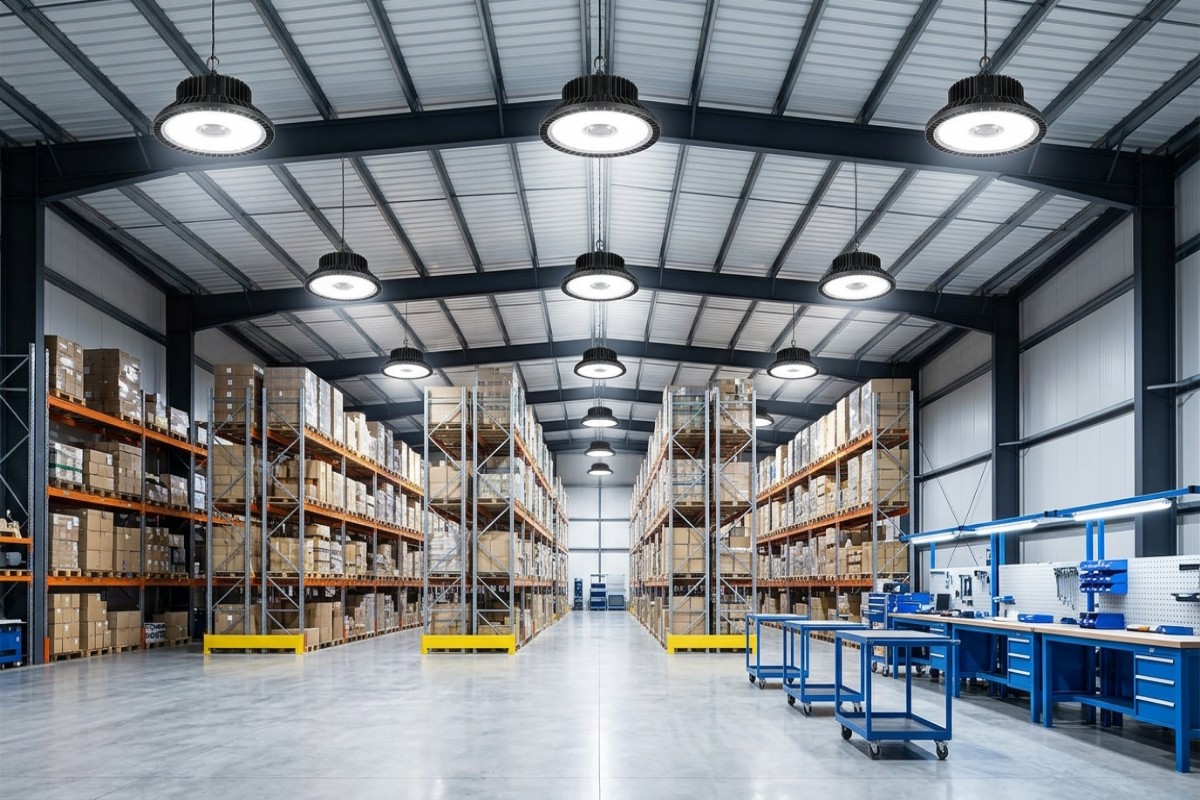
Led Canopy Lights are an effective lighting solution for areas that need reliable illumination from above. They are commonly installed under canopies, covered walkways, parking structures, gas station ceilings, building entrances, loading areas, and other outdoor or semi-outdoor spaces. With efficient LED technology, these fixtures can provide bright, consistent lighting while using less electricity than many traditional lighting systems.
As businesses and property owners look for practical ways to improve visibility and manage operating costs, LED canopy light fixtures have become an increasingly useful option. Their compact design, strong illumination, and long service life make them suitable for many commercial and industrial applications.
What Is an LED Canopy Light
An LED canopy light is a ceiling-mounted lighting fixture designed to illuminate areas located beneath a roof, overhang, canopy, or covered structure. Unlike ordinary ceiling lights, canopy fixtures are generally designed to handle demanding environments where exposure to moisture, dust, temperature changes, and regular use may be expected.
LED technology allows these fixtures to produce substantial illumination without requiring the high energy consumption associated with older lighting technologies. Depending on the application, LED canopy lights can provide broad, even light distribution across pedestrian areas, parking spaces, drive lanes, entrances, and work zones.
Their low-profile construction also makes them useful where there is limited ceiling clearance. Many models can be mounted directly against a ceiling or surface, creating a clean appearance without taking up unnecessary space.
Why Choose LED Canopy Lighting
One of the biggest advantages of LED canopy lighting is energy efficiency. LEDs convert electricity into usable light more efficiently than many conventional lighting technologies. For businesses operating lighting for extended periods, this efficiency can contribute to lower electricity consumption.
Another important advantage is long operating life. Quality LED fixtures are designed to function for many years under normal operating conditions. Longer service life can reduce the frequency of lamp replacement and routine maintenance.
LED canopy fixtures can also provide strong illumination immediately after being switched on. This makes them suitable for locations where dependable lighting is required throughout operating hours.
Additional benefits can include:
- Efficient electrical performance
- Long service life
- Consistent illumination
- Low maintenance requirements
- Compact and modern designs
- Wide range of mounting options
- Suitable for indoor and outdoor covered areas
- Improved visibility around entrances and pathways
- Reduced need for frequent lamp replacement
Common Applications for LED Canopy Lights
LED canopy lights can be used in many commercial, industrial, residential, and public environments. Their versatility makes them suitable for locations where overhead lighting is needed.
Parking Garages
Parking garages require dependable illumination to help drivers and pedestrians see clearly. LED canopy lights can be installed on garage ceilings and other covered structures to provide consistent lighting throughout parking levels, entrances, exits, and pedestrian areas.
Gas Stations
Fuel station canopies require bright overhead lighting for visibility during evening and nighttime hours. LED canopy fixtures can provide uniform illumination across the area beneath the canopy while maintaining an organized appearance.
Building Entrances
Commercial buildings, apartment complexes, offices, warehouses, and retail properties may use canopy lights around entrances and covered exterior areas. Proper lighting can make entrances easier to see while improving the overall appearance of the property.
Walkways and Covered Passages
Covered walkways can become poorly illuminated after sunset or during cloudy conditions. Installing LED canopy lighting can provide a more consistent level of brightness across pedestrian routes.
Loading Areas
Warehouses and industrial facilities often operate early in the morning, late at night, or around the clock. Loading docks and covered loading areas can benefit from bright overhead lighting that supports visibility during routine operations.
Drive Through Areas
Restaurants, banks, pharmacies, and other businesses with drive-through facilities may use LED canopy lights to illuminate covered lanes and service areas.
Commercial Buildings
Retail stores, offices, storage facilities, and other commercial properties can use canopy fixtures around exterior overhangs, entrances, and sheltered service areas.
Important Features to Consider
Choosing the right LED canopy light requires more than simply selecting the highest wattage. The fixture should match the dimensions, mounting height, environmental conditions, and lighting requirements of the installation area.
Brightness
Lumens indicate the amount of light produced by a fixture. A higher lumen rating generally means more light output, but the correct amount depends on the application.
A small covered entrance may require considerably less light than a large parking garage or industrial loading zone. Selecting an appropriate lumen output can help provide useful illumination without unnecessary energy consumption.
Color Temperature
Color temperature affects how the light appears. Common choices include warm, neutral, and cool white.
Cooler white lighting is often preferred for commercial and industrial environments because it can create a bright, clear appearance. Neutral white may be appropriate where a balanced visual environment is preferred.
The best color temperature depends on the surroundings and the purpose of the lighting.
Beam Distribution
Light distribution determines how illumination spreads across the area. A fixture with broad distribution can be useful for open spaces, while a more focused pattern may work better for specific areas.
Considering mounting height and spacing before selecting the fixture can help prevent dark spots and excessive overlapping.
Weather Resistance
Outdoor and semi-outdoor installations may encounter moisture, dust, humidity, and changing temperatures. An appropriately rated LED canopy fixture can offer better protection against environmental conditions.
When selecting a product for an exterior location, check its ingress protection rating and manufacturer specifications to ensure it is suitable for the installation environment.
Mounting Options
Different projects may require different installation methods. Some LED canopy lights are designed for surface mounting, while others may support alternative mounting configurations.
Before purchasing, check the mounting dimensions and installation requirements to make sure the fixture is compatible with the existing structure.
LED Canopy Light and Energy Efficiency
Energy efficiency is an important consideration for commercial lighting because fixtures may operate for many hours every day.
Traditional lighting systems can consume significant electricity, especially when used across large facilities. LED technology can provide comparable or greater illumination while requiring less power in many applications.
For example, replacing older fixtures with appropriately selected LED canopy lights can help reduce energy consumption. The actual savings will depend on the original lighting system, LED wattage, operating schedule, electricity rates, and number of fixtures.
Businesses can also evaluate lighting controls such as timers, occupancy sensors, or photocells where appropriate. These controls can help ensure lights operate when illumination is actually required.
Installation Considerations
Proper installation plays an important role in the performance of LED canopy lighting. Before installation, evaluate the mounting surface, ceiling height, available electrical connections, fixture spacing, and environmental conditions.
It is also important to follow the manufacturer’s installation instructions. Electrical work should be completed by a qualified professional when required by local regulations.
Correct placement can help distribute light evenly and minimize shadows. Installing fixtures too far apart may create dark areas, while placing too many fixtures close together can increase unnecessary energy consumption.
Maintenance of LED Canopy Fixtures
LED canopy lights generally require less routine maintenance than many older lighting systems, but they should still be inspected periodically.
Dust and dirt can accumulate on fixture surfaces and reduce the amount of light reaching the surrounding area. Cleaning the fixture according to the manufacturer’s recommendations can help maintain performance.
During inspections, property managers can also check for damaged housings, loose connections, signs of moisture intrusion, or other issues. Addressing problems early may help prevent larger maintenance concerns.
Choosing the Right LED Canopy Light
Before purchasing an LED canopy fixture, consider the following questions:
- How large is the area that needs illumination?
- How high will the fixture be mounted?
- What lumen output is appropriate?
- What color temperature fits the environment?
- Is the fixture intended for indoor, outdoor, or semi-outdoor use?
- What weather-resistance rating is required?
- What mounting method is available?
- What voltage and electrical specifications are required?
- Are dimming or lighting controls needed?
- Does the fixture meet applicable safety and performance requirements?
Answering these questions can make it easier to select a fixture that fits the project instead of choosing based only on price or wattage.
Benefits for Commercial Property Owners
Commercial property owners often need lighting that balances performance, reliability, maintenance, and operating costs. LED canopy lighting can support these goals when properly selected and installed.
A dependable lighting system can help create a brighter environment around entrances, parking structures, loading areas, and covered pathways. Reduced maintenance requirements can also make facility management easier, particularly for properties with numerous fixtures.
Modern LED fixtures are available in various sizes, wattages, lumen outputs, and designs, allowing businesses to choose solutions based on the specific needs of their property.
Final Thoughts
LED canopy light fixtures provide a practical way to illuminate covered outdoor and commercial areas. Their energy-efficient technology, long operating life, strong light output, and compact designs make them suitable for parking garages, gas station canopies, entrances, loading docks, walkways, drive-through areas, and many other applications.
The best results come from selecting a fixture according to the area’s size, mounting height, environmental conditions, brightness requirements, and electrical specifications. With proper planning and professional installation, LED canopy lighting can provide dependable illumination while supporting efficient long-term property operations.