
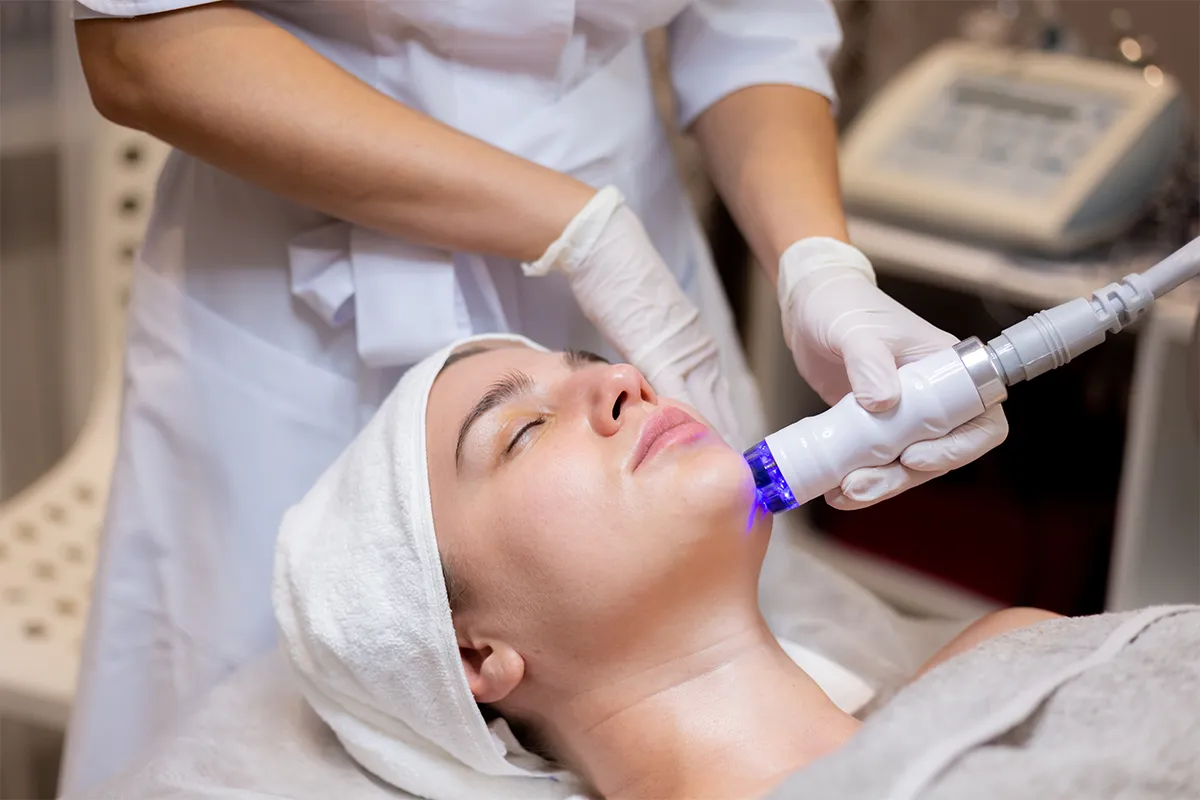
Navigating the recovery period following advanced dermatological care requires a clear understanding of what to expect during the healing phase. As individuals explore sophisticated skin rejuvenation options, staying informed about post-procedure care helps ensure a smooth transition back to daily routines. Many individuals researching modern skin resurfacing techniques frequently encounter CO2 laser Abu Dhabi while evaluating options for achieving a smoother, more radiant complexion. This comprehensive guide explores the essential stages of recovery, practical aftercare strategies, and expert-recommended tips to support optimal skin healing over time.
- Overview of the post-procedure recovery journey for advanced skin resurfacing.
- The significance of understanding skin healing phases after dermatological care.
- Preparing for a smooth transition back to everyday routines and activities.
- Establishing realistic expectations for the overall skin regeneration process.
Immediate Post-Procedure Experience
The hours and days immediately following a skin resurfacing session involve initial skin sensitivity and a noticeable warming sensation akin to a mild sunburn. During this initial window, the skin begins its natural cellular renewal process, requiring gentle handling and dedicated moisture management. Understanding these early physical sensations helps individuals remain calm and confident as their skin adapts. Implementing a minimalist skincare approach during this phase prevents unnecessary irritation and lays a solid foundation for subsequent healing stages.
- Managing initial skin sensitivity and mild warming sensations safely.
- The biological onset of natural cellular renewal and tissue regeneration.
- Adopting a minimalist, gentle approach to daily skincare routines.
- The critical importance of keeping the treated area clean and hydrated.
The Skin Healing and Regeneration Timeline
As the days progress, the skin undergoes a structured healing cycle characterized by visible renewal and surface normalization. During the first week, mild flaking or peeling typically occurs as older, micro-damaged skin cells make way for fresh, revitalized tissue underneath. Patience is essential throughout this timeline, as every individual’s skin responds and heals at its own unique pace. Monitoring these gradual changes provides reassurance and highlights the steady progress of the rejuvenation process.
- The progression of skin flaking and natural shedding of older surface layers.
- Emerging fresh, revitalized tissue beneath the renewing surface.
- Recognizing that individual biological healing rates vary significantly.
- Observing steady improvements in overall skin texture and tone.
Essential Daily Aftercare and Protection Strategies
Protecting and nurturing regenerating skin requires strict adherence to specialized daily aftercare protocols. Utilizing broad-spectrum sun protection is paramount, as new skin cells are exceptionally sensitive to ultraviolet radiation during the recovery window. Furthermore, maintaining optimal hydration through specialized emollients helps preserve the skin barrier and supports continuous comfort. Avoiding harsh active ingredients, physical scrubs, and excessive heat ensures an undisturbed, highly effective recovery period.
- The absolute necessity of daily broad-spectrum sun protection and avoidance of direct UV exposure.
- Applying specialized, soothing moisturizers to support the skin barrier.
- Eliminating harsh chemical exfoliants and active ingredients temporarily.
- Protecting delicate healing tissue from excessive heat and friction.
Long-Term Skin Maintenance and Radiance
Once the initial healing phase concludes, the focus shifts toward maintaining and enhancing the long-term results of the procedure. Incorporating a consistent, nourishing skincare regimen tailored to renewed skin helps prolong the bright, smooth appearance achieved through resurfacing. Regular hydration, diligent sun defense, and the gradual reintroduction of tailored topical products sustain the luminous quality of the complexion. Embracing these sustained habits ensures that the benefits of the rejuvenation journey endure well into the future.
- Transitioning to a consistent, nourishing long-term skincare maintenance routine.
- Sustaining skin radiance through ongoing hydration and barrier support.
- Diligent, lifelong sun defense to protect newly revealed skin quality.
- The gradual reintroduction of specialized topical products under proper guidance.
Frequently Asked Questions
What can I expect during the first few days after skin resurfacing?
The initial days involve mild skin sensitivity, a warm sensation similar to a sunburn, and the beginning of natural cellular renewal, which requires gentle handling and deep hydration.
How does the skin transition through the primary healing phase?
The skin typically experiences mild flaking or peeling during the first week as older surface cells shed to reveal fresh, revitalized tissue underneath.
Why is sun protection so critical during the recovery period?
Newly renewing skin cells are exceptionally sensitive to ultraviolet radiation, making strict sun protection essential to prevent pigmentation irregularities and support proper healing.
How can I maintain the long-term results of my skincare journey?
Long-term maintenance relies on a consistent, nourishing skincare regimen, continuous daily sun defense, proper hydration, and avoiding harsh active ingredients until the skin is fully conditioned.
