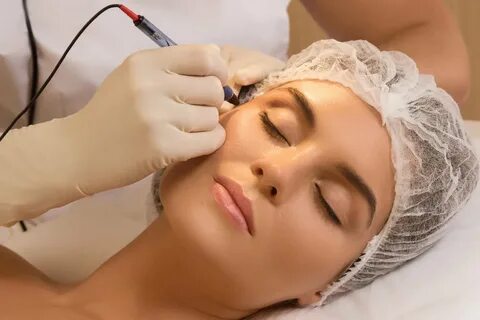
Electrolysis is a precise hair-removal method designed to target individual hair follicles, making it an option for people with a wide range of skin tones. For individuals considering electrolysis abu dhabi and wondering whether their darker skin tone affects treatment suitability, the good news is that electrolysis does not primarily depend on skin pigmentation. Instead, it focuses on the individual hair follicle, allowing treatment to be considered for darker complexions as well as lighter ones. Understanding how electrolysis works and why skin tone is not its main target can help you better understand its role in long-term hair removal.
How Does Electrolysis Work?
Electrolysis works by inserting a very fine probe into an individual hair follicle. Controlled electrical energy is then delivered to the follicle to target the structures responsible for hair growth. The treated hair is subsequently removed, with the overall objective of permanently disabling the targeted follicle.
Because the treatment is performed follicle by follicle, electrolysis differs from hair-removal methods that rely heavily on pigment within the hair or skin. The focus is on accurately accessing the follicle rather than using skin or hair color as the primary basis for treatment.
Is Electrolysis Suitable for Darker Skin?
Yes, electrolysis can be suitable for darker skin tones. One of the important characteristics of electrolysis is that its fundamental mechanism does not require a particular amount of melanin in the skin.
The treatment targets individual follicles beneath the skin’s surface rather than broadly targeting pigmentation. This makes electrolysis an option for people across a wide range of complexions, including those with deeper skin tones.
However, every person’s skin and hair characteristics are different. Treatment should therefore be approached with appropriate attention to the specific area, hair structure, and skin characteristics.
Why Does Skin Tone Matter Less With Electrolysis?
Some hair-removal technologies work by directing energy toward pigment in the hair. Because darker skin also contains more melanin, the contrast between hair and surrounding skin can become an important consideration with pigment-dependent technologies.
Electrolysis takes a different approach. It does not need the hair or surrounding skin to provide the same type of pigment-based target. Instead, a fine probe is positioned directly within the individual follicle.
This distinction is especially relevant for people with darker complexions who are researching permanent hair-removal options. Electrolysis’s follicle-focused approach means skin tone itself is not the central factor determining whether treatment can be performed.
Can Electrolysis Treat Dark Hair on Dark Skin?
Yes. Electrolysis can treat dark hair on darker skin because the treatment does not rely on identifying the hair through a pigment-based energy response.
Dark facial or body hair can be addressed follicle by follicle. This can be useful in areas where hair is particularly noticeable or persistent. The treatment can focus on individual follicles regardless of the contrast between hair and surrounding skin.
The thickness and density of the hair may influence the overall treatment process, but darker skin does not automatically prevent electrolysis from being considered.
Can Electrolysis Treat Fine or Light Hair on Darker Skin?
Electrolysis can also be used for fine and light-colored hairs. Blonde, gray, and white hairs can be treated because the process targets the follicle itself rather than requiring strong pigmentation in the visible hair.
This provides flexibility for people with darker skin who may have a combination of hair colors and textures. An individual area can contain coarse dark hairs alongside fine or lighter hairs, and electrolysis can be used to address individual follicles as they become accessible.
Does Skin Tone Affect the Electrolysis Treatment Process?
Skin tone can be one of the characteristics considered when planning any treatment involving the skin, but electrolysis does not depend on skin pigmentation as its primary mechanism.
The treatment process is instead influenced by factors such as the location of the follicles, hair thickness, hair density, growth pattern, and the characteristics of the treatment area. Precision is particularly important because each follicle is addressed individually.
A suitable treatment approach should take the person’s skin and hair characteristics into account rather than applying exactly the same technique to everyone.
Which Areas Can Be Treated on Darker Skin?
Electrolysis can be used on many areas where unwanted hair is present, including facial areas and various body regions. Smaller areas such as the upper lip, chin, jawline, and eyebrows can benefit from the precision of follicle-by-follicle treatment.
Larger areas can also be approached, although the overall process may be more gradual because every follicle must be individually treated. The appropriate treatment area depends on the person’s specific hair-removal goals and the characteristics of the skin and hair.
Does Electrolysis Require Multiple Sessions?
Multiple sessions are generally necessary regardless of skin tone. The reason is the natural hair-growth cycle rather than pigmentation.
Hair follicles do not all produce visible hair simultaneously. Some follicles may be active during one appointment while others remain dormant and become visible later. Additional sessions allow newly accessible follicles to be treated as they enter their growth phase.
This means that a darker skin tone does not necessarily make the treatment longer or shorter by itself. The overall timeframe is more closely associated with the number of follicles, hair density, treatment area, and individual growth patterns.
Why Is Precision Important for Darker Skin Tones?
Precision is an important part of electrolysis for every skin tone. Because the treatment involves addressing individual follicles, accurate probe placement and appropriate technique are essential to the process.
For darker skin, careful attention to the characteristics of the skin can be especially valuable when developing a treatment approach. The objective is to focus the treatment specifically on the intended follicle rather than unnecessarily treating surrounding tissue.
This targeted nature is one of the defining features of electrolysis and contributes to its versatility across different skin tones.
What Should You Expect During Long-Term Treatment?
Electrolysis is generally a gradual process. During the initial sessions, there may be numerous visible hairs because many follicles have yet to be treated. As treatment continues, the number of remaining hairs can progressively decrease.
New hairs appearing between sessions do not necessarily indicate that previously treated follicles have become active again. Different follicles may simply be entering their growth stage at different times.
Over successive appointments, treatment can become increasingly focused on the remaining individual follicles, supporting the goal of comprehensive permanent hair removal.
Is Electrolysis a Good Option for Darker Complexions?
For people with darker skin tones who want permanent hair removal, electrolysis can be an attractive option because its mechanism is not primarily based on skin pigmentation. It can also address different hair colors and textures, making it versatile for people whose unwanted hair varies across an area.
The most important considerations are the specific treatment area, hair characteristics, growth pattern, and appropriate treatment technique. A personalized approach can help ensure that the process is planned around the individual’s needs rather than simply their skin tone.
Final Thoughts
So, is electrolysis treatment suitable for darker skin tones? Yes, electrolysis can be suitable for darker skin because it targets individual hair follicles rather than relying primarily on skin or hair pigmentation. This makes it a versatile option for people seeking long-term or permanent hair removal across a broad range of complexions.
Darker skin does not automatically prevent someone from receiving electrolysis. The process can address dark, light, fine, and coarse hairs, while multiple sessions are generally required because follicles grow at different stages. With careful technique and an individualized treatment approach, electrolysis can be considered for a variety of hair-removal goals regardless of skin tone.
FAQs
Can people with darker skin get electrolysis?
Yes. Electrolysis can be performed on people with darker skin tones because its primary target is the individual hair follicle rather than skin pigmentation.
Does skin color affect electrolysis effectiveness?
Skin color is generally not the primary factor determining electrolysis effectiveness. The treatment focuses on individual follicles, while factors such as hair density, thickness, location, and growth patterns can influence the overall process.
Can electrolysis remove dark hair from dark skin?
Yes. Electrolysis can target dark hair on darker skin because it does not rely primarily on pigment-based energy to identify the hair follicle.
Can light-colored hair be treated on darker skin?
Yes. Blonde, gray, and white hairs can be treated with electrolysis because the method targets the follicle rather than requiring significant pigmentation in the hair.
How many electrolysis sessions are needed for darker skin?
There is no fixed number of sessions. The required treatment timeframe depends on the size of the area, number of follicles, hair density, hair characteristics, and individual growth cycles rather than skin tone alone.
READ MORE : Is Electrolysis suitable for sensitive treatment areas