
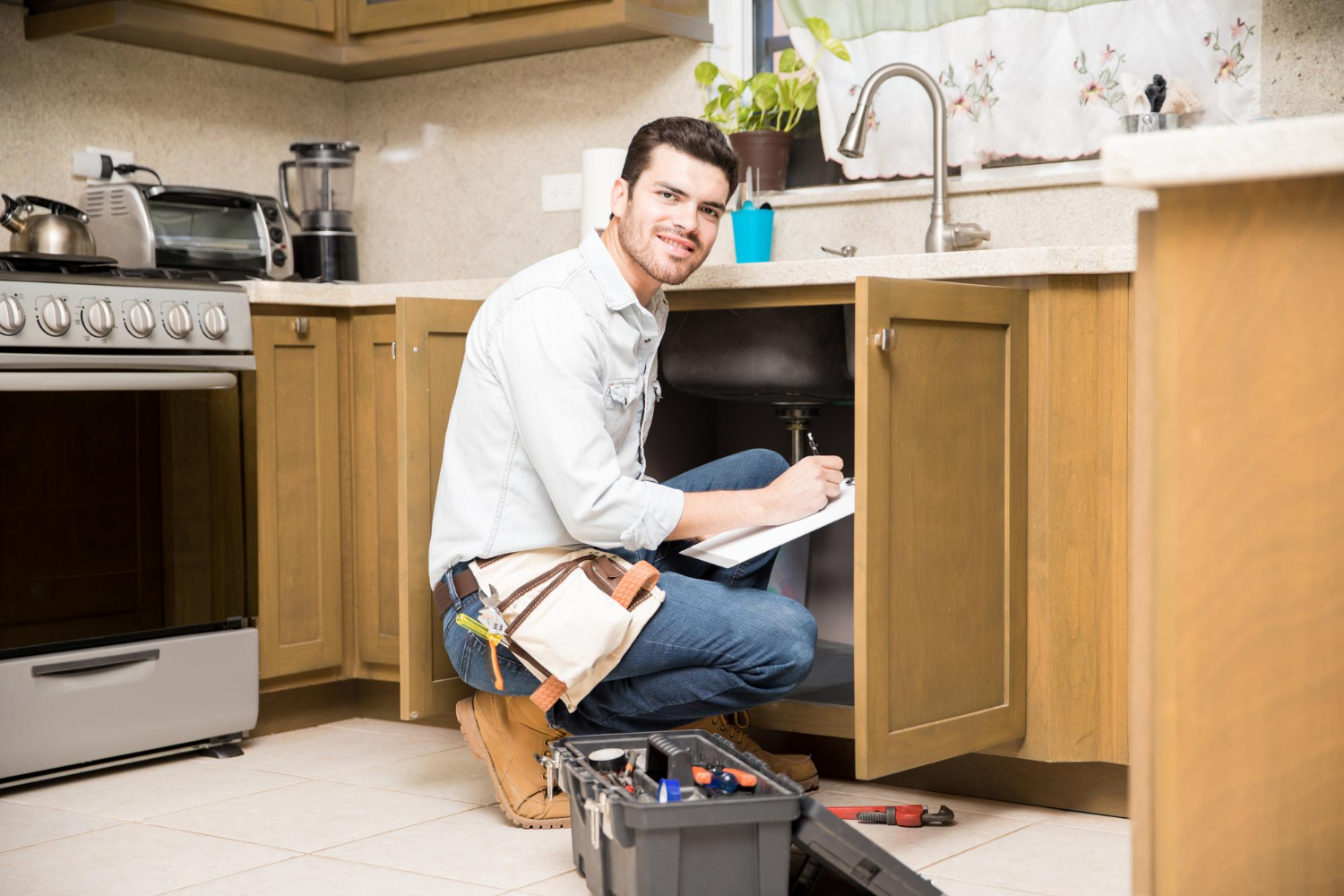
Most homeowners put off small repairs longer than they should. A dripping faucet gets ignored for months. A loose cabinet hinge becomes “something I’ll fix this weekend” for a year. And then one day, that small problem turns into a big bill. The truth is, hiring the right help early is almost always cheaper than waiting.
That’s where a good handyman comes in. Below are five real, practical ways that hiring skilled, affordable help can put money back in your pocket — plus a quick cost comparison table and answers to the questions people ask most.
1. You Catch Small Problems Before They Become Expensive Ones
A squeaky door, a slow drain, a wobbly deck railing — none of these feel urgent. But left alone, small issues tend to snowball. A minor leak under the sink can quietly rot the cabinet floor. A crack in the drywall can point to a bigger structural shift you haven’t noticed yet.
A trained handyman spots these warning signs during a routine visit, often while fixing something else entirely. Instead of paying a specialist thousands of dollars later, you spend a fraction of that now. This is one of the biggest, most overlooked reasons people choose regular home upkeep over reactive emergency fixes.
2. One Visit Can Solve Multiple Problems at Once
Here’s something most people don’t think about: calling five different specialists for five different jobs costs five different service fees. A plumber for the faucet, an electrician for the flickering light, a carpenter for the cabinet door — each visit adds its own call-out charge on top of labor.
A handyman, on the other hand, is trained across multiple trades. One appointment can knock out your to-do list — patch the drywall, fix the leaky tap, tighten the loose railing, and hang that shelf you bought three months ago. You pay for one visit instead of four, and you save on repeated service charges. This is exactly the kind of bundled convenience that makes handyman repair services worth booking regularly instead of only in emergencies.

3. You Avoid Emergency Call-Out Rates
Emergencies always cost more. A burst pipe at 11 PM or a broken lock on a Sunday night usually means paying premium after-hours rates, sometimes double or triple the standard price. Scheduled, planned repairs almost never carry that penalty.
By staying ahead of maintenance — checking your water heater before winter, inspecting gutters before the rainy season, tightening loose fixtures before they fail completely — you stay in control of the timing. And when you control the timing, you control the price. This is the quiet financial logic behind seasonal home check-ups: prevention is simply cheaper than panic.
4. Skilled Work the First Time Means No Repeat Costs
DIY fixes look appealing because they seem free. But a repair done incorrectly often needs to be redone — this time by a professional, and this time with the added cost of undoing the mistake first. A poorly sealed tile, a badly wired switch, or an unevenly hung door can turn a $20 project into a $200 one.
Experienced handymen bring the right tools, the right technique, and enough hands-on repetition to get it right on the first attempt. That’s the actual value you’re paying for: not just the fix, but the fact that you won’t be paying for it twice.
5. Regular Maintenance Extends the Life of What You Already Own
Appliances, fixtures, and fittings all have a working lifespan — but that lifespan depends heavily on upkeep. A furnace that gets serviced yearly typically outlasts one that’s ignored until it breaks down. Door hinges, window seals, and even paint finishes last considerably longer with small, timely touch-ups.
Instead of replacing an entire unit or fixture, a small repair often adds years of usable life to something you already own. Multiply that across a whole house, and the long-term savings are significant — you’re not just fixing things, you’re protecting the investment you already made in your home.
Quick Cost Comparison: Planned Repair vs. Emergency Repair
| Situation | Typical Cost Range | Why the Price Differs |
|---|---|---|
| Scheduled faucet repair | Low | Standard daytime rate, no rush |
| Emergency plumbing (night/weekend) | High | After-hours surcharge + urgency |
| Routine appliance check-up | Low | Preventive, no damage yet |
| Appliance replacement after failure | Very High | Full unit cost + installation |
| Bundled multi-task handyman visit | Low–Moderate | One call-out fee covers several jobs |
| Separate specialist visits (each) | Moderate–High | Individual call-out fee per trade |
The pattern is clear: planning ahead almost always costs less than reacting after something breaks.
Why People Are Turning to Trusted Local Providers
More homeowners are moving away from juggling multiple contractors and instead relying on one dependable provider for ongoing upkeep. Insta Service has built a reputation around exactly this kind of dependable, all-in-one home support — the kind where you call once and multiple small jobs get handled properly, without the back-and-forth of finding a different tradesperson for every task.
Whether it’s a single urgent fix or a full seasonal check-up, working with a team that understands the full picture of your home — instead of just one isolated repair — tends to save both time and money in the long run. That’s the real appeal behind reliable handyman repair services: not just fixing what’s broken, but preventing the next thing from breaking in the first place.
If you’ve been putting off that list of small repairs, it might be worth asking yourself what waiting is actually costing you. Chances are, the fix is smaller — and cheaper — than you think. And with a provider like Insta Service handling the details, staying on top of your home doesn’t have to feel like a chore.
Frequently Asked Questions
1. How often should I schedule handyman visits for my home?
Most homeowners benefit from a check-up every 3–6 months, with additional visits as small issues come up. Seasonal changes (before winter or before monsoon) are especially good times to book a visit.
2. Is it cheaper to fix things myself instead of hiring a handyman?
Sometimes, for very small tasks. But incorrect DIY repairs often need professional correction later, which usually costs more than getting it done right the first time.
3. What kinds of repairs can a handyman actually handle?
Most handle a wide range: plumbing touch-ups, minor electrical work, carpentry, drywall repair, painting, appliance installation, and general fixture maintenance. Larger structural or licensed-trade work may still need a specialist.
4. Do handyman services cost more than calling individual specialists?
Usually less, especially when multiple small jobs are combined into a single visit. You avoid paying separate call-out fees for each trade.
5. How do I know if a repair issue is urgent or can wait?
Anything involving water leaks, gas, or electrical sparking should be treated as urgent. Cosmetic or minor functional issues (a squeaky hinge, a loose handle) can usually wait for a scheduled visit without added risk.
