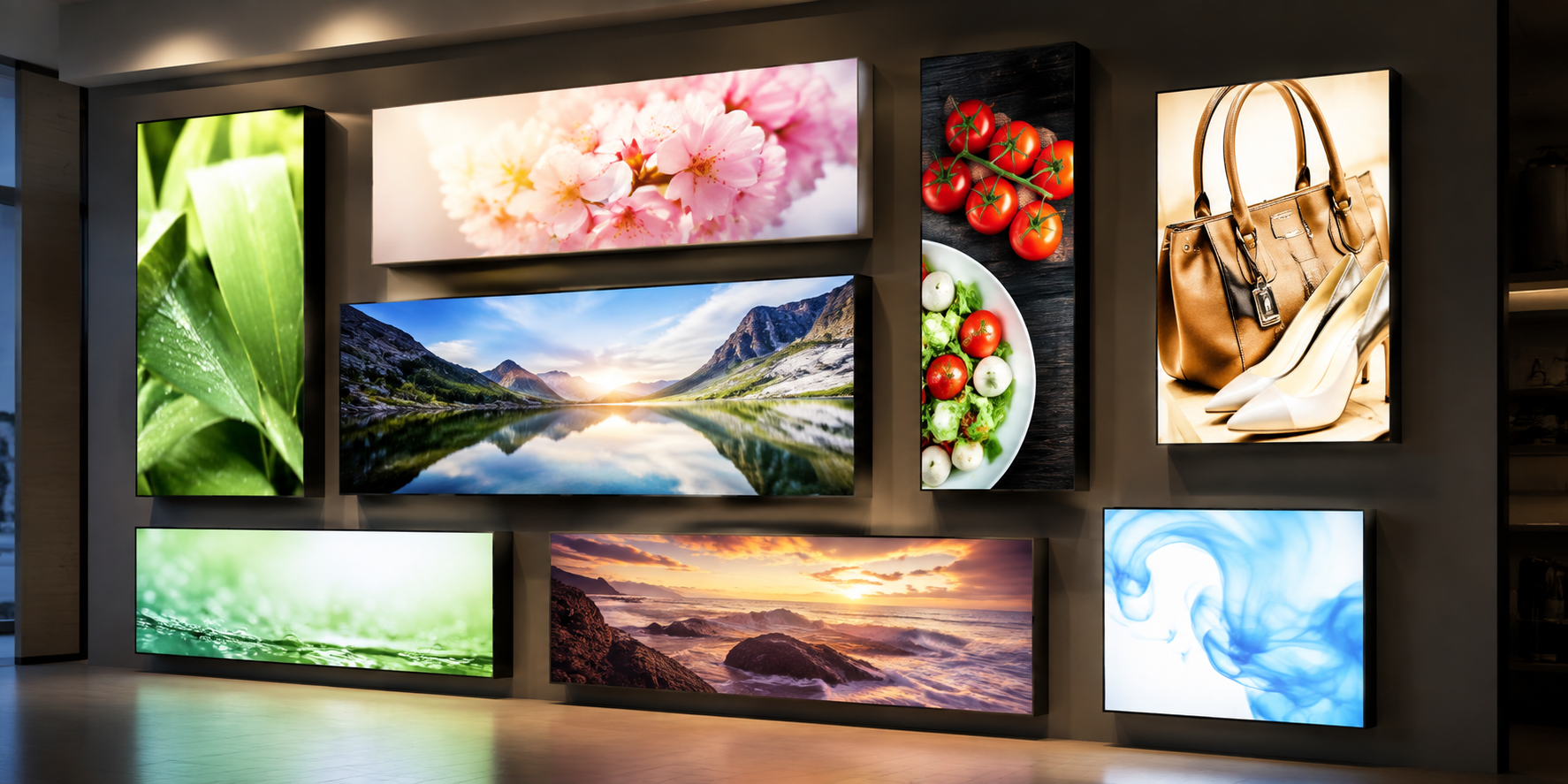
In today’s fast paced commercial landscape, captivating your audience immediately is essential for success. Whether you are setting up an exhibit at a trade show, designing a corporate showroom, or outfitting a retail store, modern display technology plays a pivotal role in driving customer engagement. High quality illuminated signage transforms ordinary marketing visuals into vivid, high contrast experiences that hold viewer attention far longer than traditional printed graphics.
Businesses facing intense competition require display solutions that combine visual brilliance with practical efficiency. Illumination automatically draws the human eye, making lit displays one of the most effective visual merchandising tools available. By leveraging advanced LED technology and premium aluminum framing systems, brands can create immersive environments that effectively communicate their core messages and highlight their products.
When designing custom exhibit spaces or retail floors, incorporating custom light boxes allows organizations to tailor their visual presentation to exact space requirements and branding strategies. Customization ensures that frame dimensions, lighting intensity, and graphic media align perfectly with your architectural layout. This personalized approach to visual displays ensures your brand message stands out in high traffic environments, providing a clean, polished, and memorable impression for every visitor.
Understanding the Mechanics of Modern LED Lightbox Technology
To appreciate why illuminated visual systems perform so well, it helps to understand their underlying technology. Modern LED display systems utilize high efficiency light emitting diodes arranged strategically within a durable frame structure. These LEDs produce bright, uniform illumination across the entire surface of the graphic, eliminating dark spots, shadows, or harsh hot spots that plagued older fluorescent lighting models.
The structural backbone of these systems typically relies on precision engineered aluminum extrusion profiles. Aluminum offers an exceptional strength to weight ratio, making large scale illuminated structures easy to transport and assemble without compromising stability. These extrusion profiles incorporate specialized channels designed to securely hold edge lit or backlit LED modules, internal power supplies, and silicon edge graphics.
Energy efficiency is another major technological advancement in modern display manufacturing. Current LED components consume a fraction of the electricity required by traditional lighting setups, generating minimal heat during continuous operation. This reduced thermal output protects internal electrical components and significantly extends the life of the printed graphics, ensuring long term reliability for permanent installations and recurring trade show displays.
The Versatility of Silicone Edge Graphics in Modern Signage
A critical component of contemporary illuminated displays is the use of Silicone Edge Graphics, commonly referred to as SEG graphics. SEG technology involves sewing a flexible silicone strip along the perimeter of a high resolution printed fabric graphic. This silicone bead is then tucked directly into a recessed groove along the edge of the aluminum frame, pulling the fabric taut across the face of the display.
The result of this system is a completely borderless, frameless aesthetic that maximizes visible graphic area. Tensioning the fabric eliminates wrinkles, sags, and reflections, producing a sleek, edge to edge visual display. Because fabric graphics diffuse light evenly, they provide a smooth, matte finish that avoids the glare and reflection issues common with traditional acrylic or vinyl print media.
In addition to superior visual quality, SEG fabric prints offer unparalleled convenience for logistics and storage. Graphic panels can be folded compactly, dramatically reducing shipping volumes and transport costs compared to rigid panel prints. Changing graphics for seasonal marketing campaigns or different trade show themes requires no special tools or technical expertise, allowing staff to update marketing visuals in a matter of minutes.
Advantages of Modular Display Systems for Growing Businesses
Flexibility is a primary requirement for modern commercial displays. Modular aluminum framing systems allow organizations to scale, reconfigure, and adapt their visual displays across various event layouts and architectural spaces. Instead of purchasing single purpose fixtures that become obsolete when display requirements change, modular components can be reassembled into completely different configurations.
Modularity provides immense economic and operational advantages. A set of modular light frame extrusions can function as a standalone backdrop wall at one exhibition, and then be divided into smaller freestanding towers or integrated into a larger booth structure at a subsequent event. This adaptability protects your display investment, providing long term utility across evolving marketing strategies.
Furthermore, modular construction streamlines installation and dismantling workflows. Intuitive connecting mechanisms, quick lock connectors, and tool free assembly options enable small teams to construct impressive visual setups quickly. Reduced setup time translates directly into lower labor costs and less stress during high pressure event environments, allowing your team to focus on engaging prospective clients.
Key Applications Across Retail Corporate and Event Environments
Illuminated frame systems excel in a wide variety of commercial and promotional settings. In retail environments, double sided or wall mounted displays serve as high impact focal points that guide foot traffic, highlight new product lines, and elevate brand perception. Bright, clear visuals attract shoppers from a distance and create an inviting ambiance within retail spaces.
Trade show floors represent another key venue where illuminated displays provide a distinct competitive edge. Exhibition halls are filled with competing brands vying for visitor attention. A bright, professional illuminated backdrop acts as a beacon, drawing attendees toward your booth space and creating a welcoming structure for product demonstrations and business discussions.
Corporate offices, museum spaces, and public venues also utilize illuminated graphics for architectural signage, wayfinding systems, and corporate history galleries. By integrating sleek lighting frames into interior design layouts, organizations create modern, engaging environments that reflect innovation and quality. The subtle, sophisticated glow of high quality tension fabric displays elevates any interior space.
Choosing Between Single Sided Double Sided and Freestanding Displays
Selecting the right configuration depends entirely on your spatial layout and engagement goals. Single sided wall mounted displays are ideal for maximizing wall space in retail stores, corporate lobbies, or art galleries. These slim profile frames fit seamlessly against vertical surfaces, creating a flush, integrated artwork or advertising presentation.
Double sided freestanding light structures offer maximum exposure in open floor plans, such as trade show halls, shopping mall concourses, and airport terminals. By presenting vivid, illuminated graphics on both sides, these units capture foot traffic approaching from multiple directions, effectively doubling your promotional reach within the same floor footprint.
Freestanding designs can also be customized with heavy duty base plates, caster wheels for easy mobility, or integrated hanging hardware for overhead ceiling suspension. Evaluating foot traffic patterns, sightlines, and ambient lighting conditions within your target environment will guide you toward the optimal frame geometry and mounting solution for your specific application.
Best Practices for Graphic Design and Fabric Printing for Lightboxes
Creating an impactful illuminated display involves more than just selecting high quality hardware; the artwork design and fabric printing process must be meticulously planned. Illuminated graphics require specialized dye sublimation printing techniques that deeply saturate fabric fibers with ink. High ink density prevents colors from appearing washed out or faded when backlit by high intensity LEDs.
When designing artwork for illuminated displays, contrast is paramount. Bold graphic elements, rich color palettes, and strong light to dark ratios perform exceptionally well when lit from behind. Text elements should maintain clean typography and appropriate scale to ensure effortless readability from a distance, while high resolution imagery ensures crystal clear rendering without pixelation.
It is also important to consider the placement of key visual elements in relation to the frame edges. While SEG graphics provide an edge to edge view, keeping vital logos, text, and critical brand elements slightly offset from the absolute border ensures clean visual framing. Partnering with experienced display manufacturers guarantees that your digital files are properly prepared and color managed for flawless lit presentation.
Sustainable Practices in Modern Display Engineering and Manufacturing
Sustainability has become a core priority for businesses worldwide. Modern illuminated display manufacturing has evolved to meet strict environmental standards through smart material selection and energy efficient technologies. Aluminum, the primary structural material used in quality light frames, is highly durable and fully recyclable, minimizing environmental impact over the lifespan of the display.
The shift toward LED lighting technology significantly reduces energy consumption compared to legacy light sources, lowering the operational carbon footprint of long term installations. Additionally, eco friendly water based inks used in dye sublimation fabric printing reduce volatile organic compounds, creating a safer manufacturing process and healthier indoor air quality for end users.
Reusability is perhaps the most powerful sustainability feature of modular illuminated systems. Rather than disposing of rigid signage panels after a single marketing campaign, businesses simply replace the lightweight fabric print while retaining the heavy duty aluminum framework for years. This drastically reduces material waste, lowers shipping emissions due to lighter transport weights, and supports sustainable corporate practices.
Elevating Your Brand Image with High Quality Exhibition Solutions
Investing in professional display infrastructure is a strategic commitment to your brand identity. High quality architectural light frames, precise graphic tensioning, and dependable illumination send a clear signal of professional excellence and attention to detail. Whether in a competitive trade show environment or a high end retail store, polished presentation builds customer trust and reinforces perceived value.
For businesses seeking premium display components and custom architectural framing systems, visiting provides direct access to industry leading aluminum modular engineering solutions. Their comprehensive product line includes versatile extrusion profiles, lighting components, and hardware designed specifically for exhibition builders, sign makers, and display designers.
By combining precision engineered modular systems from with vibrant fabric graphics, organizations can construct stunning visual displays tailored to any commercial environment. Upgrading your visual presentation with modern illuminated technology ensures your marketing message remains bright, engaging, and highly effective across every campaign.
Frequently Asked Questions
What makes illuminated fabric graphics superior to traditional printed signage?
Illuminated fabric graphics utilize tensioned fabric and high density LED lighting to deliver smooth, glare free imagery with rich color saturation. Unlike traditional acrylic or vinyl signs, fabric prints do not create surface reflections under bright ambient lights, can be folded for compact shipping, and offer effortless, tool free graphic updates using silicone edge technology.
How energy efficient are modern LED display light systems?
Modern LED display systems are exceptionally energy efficient, consuming up to eighty percent less electricity than legacy fluorescent lighting systems. They generate minimal heat during operation, reducing wear on internal components and graphics while keeping long term operational costs low for continuous commercial use.
Can custom light frame systems be reconfigured for different event spaces?
Yes, high quality aluminum display frames are designed with modularity in mind. Extrusion profiles and connecting hardware can be disassembled, expanded, or reconfigured into different sizes and structural layouts, making them a cost effective choice for companies attending events with varying booth dimensions.
How are fabric SEG graphics installed into the aluminum frame?
Silicone Edge Graphics feature a flexible silicone strip stitched directly along the border of the fabric print. Installation is fast and simple: you press the silicone strip into the recessed channel along the aluminum frame edge starting at the corners, creating a smooth, wrinkle free visual panel without requiring specialized tools.
What maintenance is required for long term illuminated display systems?
Illuminated display frames require minimal ongoing maintenance. The aluminum profiles can be wiped down with a clean, damp cloth, and the LED modules are rated for tens of thousands of hours of continuous operation. Fabric graphics can be stored cleanly by folding them neatly, and many fabric prints can be gently washed or steamed to remove minor surface dust.
Conclusion
Upgrading your commercial visual strategy with advanced light display technology offers a high return on investment through increased customer engagement and elevated brand perception. From energy efficient LED backlighting to borderless silicone edge graphics and modular aluminum framing, modern display systems provide the perfect blend of visual brilliance, durability, and operational flexibility.