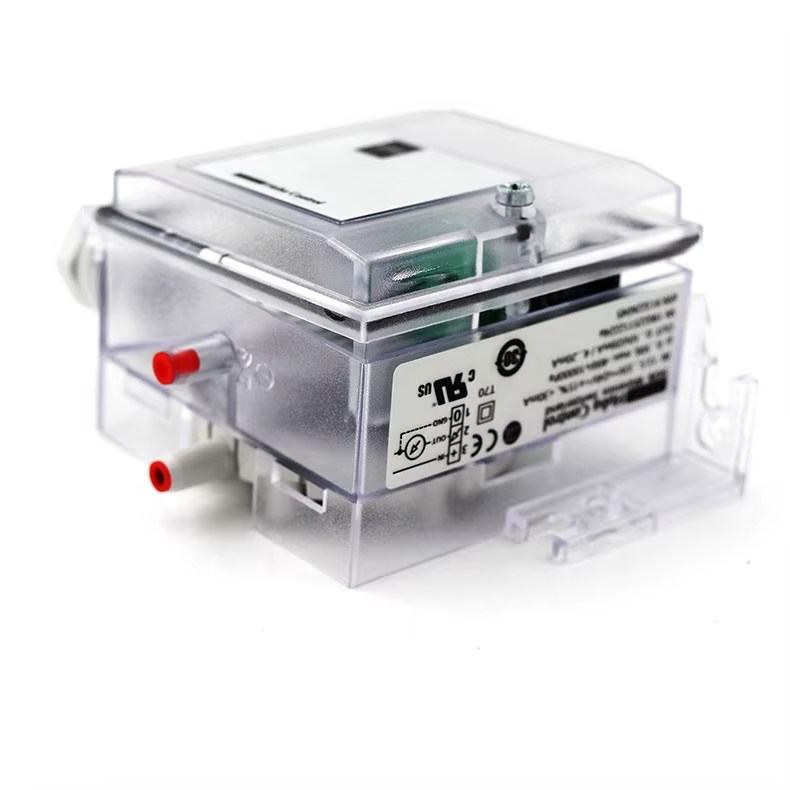
Indoor energy storage systems have become common in homes and offices, supporting backup power needs and stable energy usage. Proper handling and installation play a major role in ensuring safety during daily operation. Many users are concerned about risks, performance stability, and monitoring systems such as the OBAR Battery System Alarm, which helps track operational safety and alerts users to unusual conditions during use.
OBAR Battery Safety For Indoor Use
OBAR battery systems are designed with controlled energy storage mechanisms that regulate charging and discharging cycles. These systems are typically enclosed with protective casing to reduce exposure to external damage. Indoor safety depends on proper ventilation, correct installation, and adherence to manufacturer guidelines. Modern battery units include thermal protection and voltage regulation features that help maintain stable operation in residential or office environments.
Key Factors That Influence Indoor Battery Safety
Several factors affect how safely a battery system performs indoors. Temperature control is one of the most important considerations because excessive heat can impact battery life and stability. Proper wiring and certified installation also reduce electrical risks. Placement of the battery unit plays a role, as confined or humid spaces may increase operational stress. Regular inspection ensures that performance remains consistent and reduces unexpected failures over time.
Common Risks And How They Are Controlled
Indoor battery systems carry certain risks, including overheating, short circuits, and improper charging behavior. These risks are generally managed through built-in safety circuits and protective hardware. Modern systems are equipped with automatic shutdown features that activate during abnormal conditions. Users also play an important role by avoiding overloading and ensuring correct usage patterns. Proper grounding and surge protection further reduce electrical hazards in residential environments.
Proper Installation Practices For Safe Operation
Correct installation is the foundation of indoor battery safety. Certified technicians ensure that wiring connections are secure and compatible with the home’s electrical system. The installation area should be dry, stable, and away from direct sunlight or heat sources. Clear spacing around the unit supports airflow and reduces heat buildup. Following manufacturer installation guidelines ensures the system operates within safe electrical limits and maintains long-term reliability without performance issues.
Monitoring And Maintenance For Long-Term Stability
Regular monitoring helps maintain safe indoor operation and prevents unexpected faults. Users should inspect connections, check for dust buildup, and observe any warning indicators on the system. Scheduled maintenance allows early detection of potential issues before they become serious. Keeping firmware or system updates current also supports better performance management. Routine care ensures the battery system continues operating safely while maintaining efficiency in daily indoor usage conditions.
Daily Safety Practices For Indoor Battery Use
Safe daily usage habits significantly improve battery performance and reduce risks. Users should avoid placing heavy objects near the unit and ensure airflow is not blocked. Charging should always follow recommended limits to prevent overloading. Electrical accessories used with the system must meet safety standards. Awareness of warning signals helps users respond quickly to unusual activity.
- Keep the battery area clean and dust-free
- Avoid exposing the unit to moisture or water
- Use certified cables and connectors only
- Do not overload connected electrical devices
- Check indicators for warning lights regularly
- Maintain proper ventilation around the system
- Follow manufacturer usage instructions strictly
Importance Of Safety Monitoring Systems
Modern battery systems often include built-in monitoring tools that track performance and detect irregular activity. These systems provide early warnings for overheating, voltage imbalance, or charging errors. Real-time monitoring helps users respond quickly and prevent damage. Safety systems are designed to operate automatically, reducing the need for manual intervention. Combined with proper usage habits, monitoring technology strengthens indoor safety and supports stable energy management in everyday environments.
Conclusion
Indoor battery systems can operate safely when proper installation, monitoring, and maintenance practices are followed. Understanding environmental conditions and usage limits reduces the chances of faults or hazards. Safety features built into modern systems add an extra layer of protection for users. Consistent care and responsible usage ensure reliable performance, making indoor energy storage a practical and secure solution for daily power needs in residential and commercial settings.