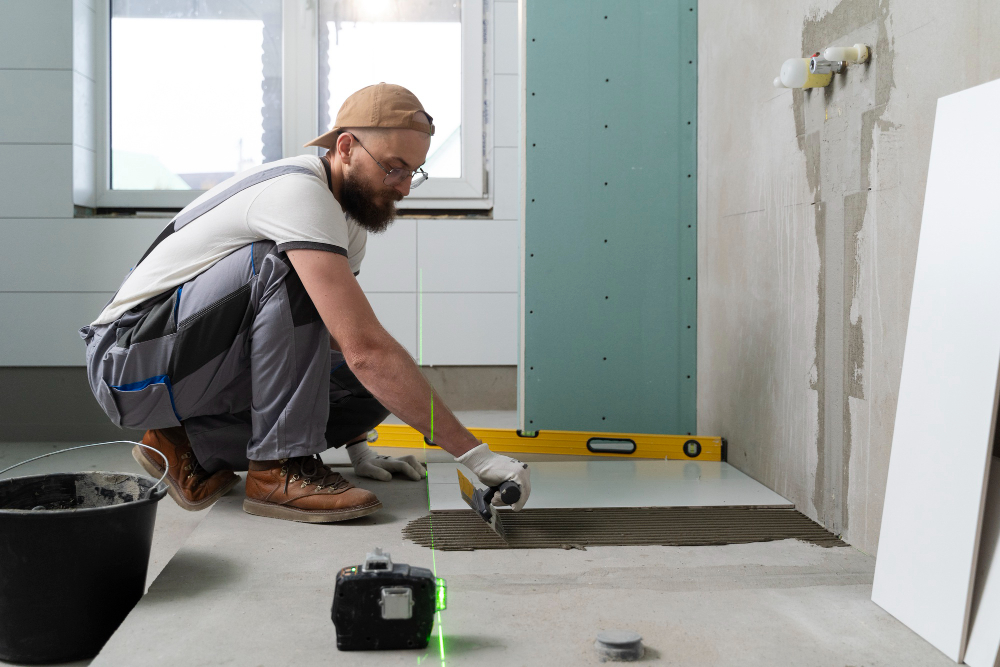
Before laying down any decorative floor tiles, you need to perform proper surface sealing to protect your home from water damage. Investing in quality waterproofing in the Philippines can prevent structural decay and stop toxic mold from growing inside concrete walls. Managing these moisture barriers correctly saves property owners from expensive renovation bills and keeps the household clean.
Why Does Tropical Weather Demand Good Sealing?
The country’s tropical climate brings intense humidity and heavy seasonal rainstorms. These can push structural moisture levels very high. Not to mention, unprotected concrete absorbs water quickly, which causes internal steel reinforcement bars to rust and weaken over time. That’s why applying a dedicated barrier is very important. It stops liquid penetration, and preserves your concrete foundation for many decades.
What Causes Common Bathroom Leakage Issues?
Leaky shower floors often happen when water seeps through tiny cracks in regular cement tile grout. Gravity pulls this stray moisture downward into the ceiling structure of the room located directly underneath. Sealing the subfloor properly stops this slow damage and protects your beautiful home interior decorations.
How Do Liquid Membranes Protect Your Floors?
Liquid chemical barriers create a seamless elastomeric rubber shield when applied over raw bathroom concrete slabs. Workers paint this thick fluid onto surfaces using standard rollers to seal every microscopic floor pore. The resulting rubbery sheet stretches without tearing when your house settles or shifts slightly over time.
Why is Surface Cleaning Necessary Before Application?
Applying sealant over leftover construction dust prevents the protective chemical mixture from bonding to concrete properly. Scrubbing the raw floor surface clean eliminates loose dirt that would otherwise cause the membrane to peel. A perfectly clean concrete base guarantees the waterproof layer stays firmly attached for many years.
What is the Correct Floor Sloping Angle?
Shower floors must slope gently toward the drainage pipe to keep water moving out of the room. Standing water puddles place constant fluid pressure on your tiles and weaken the underlying chemical barrier over time. Grading the mortar bed correctly directs all wastewater away without letting it gather in corners.
How High Should Wall Barriers Reach?
Shower walls require protective chemical coatings up to a height of at least two meters from the floor. Water splashes from daily bathing constantly soak the vertical plaster surfaces and can rot the wall structure behind. Extending the liquid barrier high enough prevents dampness from ruining adjacent bedroom drywall panels.
Why Do Pipe Penetrations Need Extra Attention?
The tiny gaps around PVC drain pipes represent the most common location for severe structural leaks. Standard cement mixes often shrink away from plastic plumbing tubes and leave hidden paths for water leaks. Using specialized polyurethane sealants around these pipe joints seals the connections completely against moisture.
How Does a Flood Test Verify Performance?
Plugging the main bathroom drain and filling the floor with water tests your new barrier before tiling. Contractors leave this standing water for twenty-four hours to check the lower floor ceiling for damp spots. Passing this overnight test proves your sealant works perfectly before you spend money on expensive tiles.
Which Tools Are Best for Applying Sealant?
Workers use stiff nylon brushes to work the liquid chemical compound into tight corner joints thoroughly. Smooth paint rollers help spread the remaining material quickly across wide, flat floor areas for even thickness. Having the right application tools prevents thin patches that might fail under constant water exposure.
How Many Chemical Layers Are Needed?
Achieving reliable protection requires applying two separate coats of the liquid sealing compound over the concrete. The second layer must be painted perpendicular to the first coat to cover any missed pinholes. Allowing proper drying time between these individual applications creates a durable shield against heavy water flow.
Why Do Regular Grout Lines Fail?
Standard cement grout absorbs water naturally because the dried mixture contains millions of microscopic open pores. Over time, acidic household cleaning chemicals erode this porous filler material. This, in turn, creates deep structural pathways for leaks. So upgrading to advanced epoxy grout mixes seals these narrow joints completely against daily shower moisture.
How to Handle Corner Joint Flexing?
Wall and floor intersections naturally move and flex because of daily temperature shifts inside the house. This minor physical movement can crack standard rigid cement coatings and cause sudden hidden bathroom leaks. Installing flexible fiberglass mesh tape along these interior corners reinforces the sealant against cracking.
How to Protect Your Sealing Investment?
Accidentally dropping heavy metal construction tools can puncture the exposed rubber membrane before tiles are laid. Workers should place thick cardboard sheets over the dried sealant layers during ongoing bathroom construction work. Guarding the finished barrier preserves the continuous chemical shield from getting scratched or torn.
Key Takeaway
Fixing floor tilts and applying sealants correctly keeps water from dripping down into lower rooms. Applying these protective tips helps property owners maintain safe bathroom spaces while managing long-term maintenance costs. Just remember to use the correct materials for waterproofing in the Philippines. This way, you prevent costly leaks while saving your property from decaying.