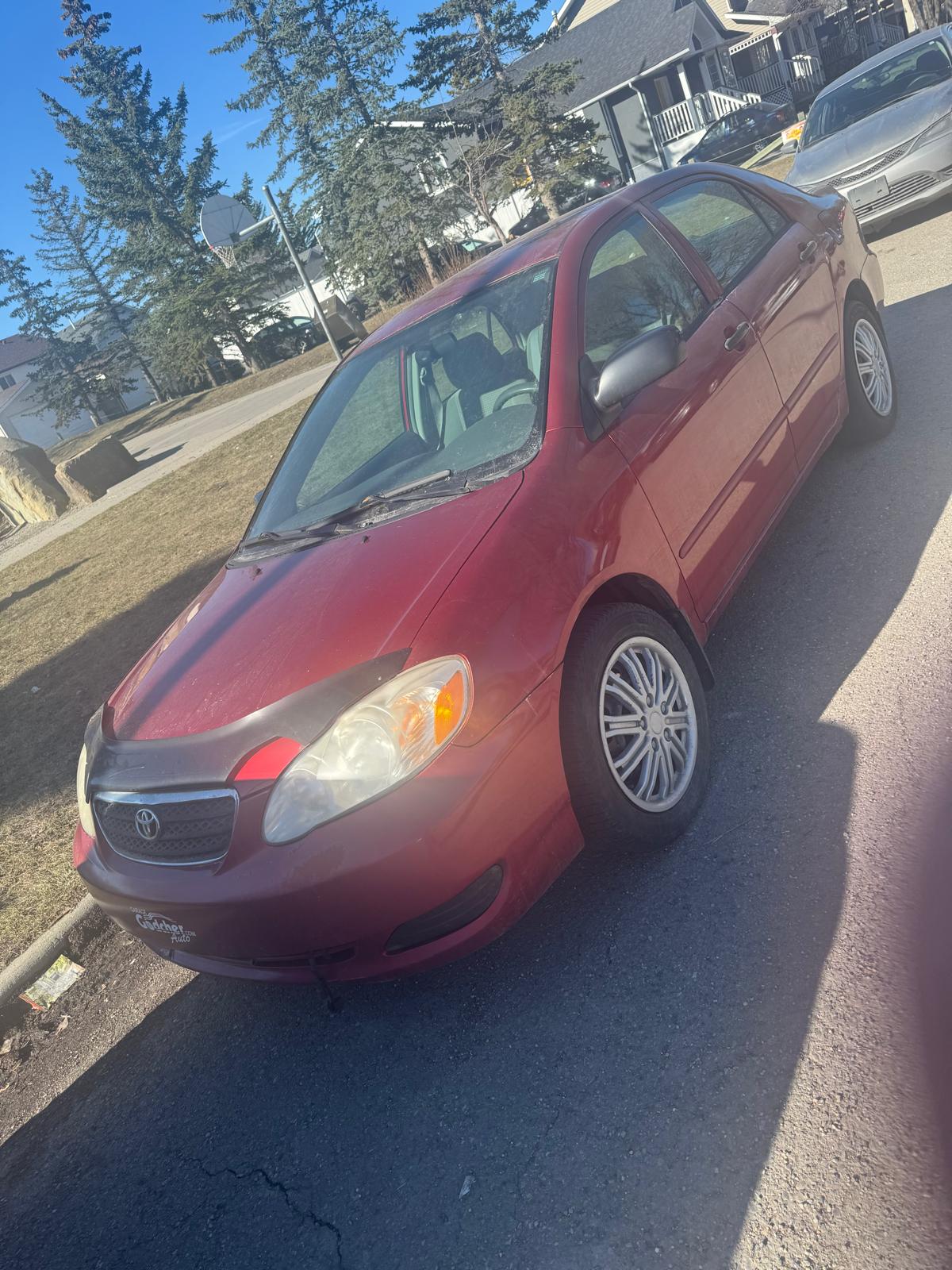
When people think about junk car removal, they often picture an old sedan being towed away for recycling. However, larger vehicles like SUVs, pickup trucks, cargo vans, and commercial vans make up a significant portion of vehicles that enter the junk car recycling industry every year. While the overall removal process is similar, there are several important differences when dealing with larger vehicles.
From vehicle weight and towing requirements to salvageable parts and scrap metal value, SUVs, trucks, and vans often receive different evaluations than smaller passenger cars. Understanding these differences can help vehicle owners set realistic expectations, avoid common mistakes, and maximize the value of their unwanted vehicle.
If you’re planning to sell an old truck, SUV, or van for junk car removal, this guide explains exactly what changes and why those differences matter.
Why Larger Vehicles Are Often Worth More
One of the first things many vehicle owners notice is that larger vehicles frequently receive higher junk car removal quotes.
This doesn’t happen simply because they’re bigger—it happens because they usually contain:
- More recyclable metal
- Larger mechanical components
- Higher-value replacement parts
- Stronger aftermarket demand
Although every vehicle is evaluated individually, larger vehicles often have advantages that increase their overall value.
Vehicle Weight Plays a Bigger Role
Weight is one of the most important pricing factors in junk car removal.
SUVs, trucks, and vans generally weigh much more than compact cars or sedans.
Heavier vehicles contain greater amounts of recyclable materials such as:
- Steel
- Aluminum
- Iron
- Copper
Since recycling facilities purchase scrap metal by weight, larger vehicles often generate more revenue after processing.
For example:
- Compact sedan: Lower overall metal content
- Mid-size SUV: Increased structural steel
- Full-size pickup truck: Significantly higher recyclable weight
- Commercial cargo van: Large metal body panels and reinforced frames
This additional weight often results in stronger removal offers.
Trucks Often Have High-Value Components
Pickup trucks are among the most valuable vehicles in the used parts market.
Many truck components remain in demand long after the vehicle stops running.
Common high-value truck parts include:
- Engines
- Transmissions
- Transfer cases
- Differentials
- Axles
- Suspension components
- Tailgates
- Towing equipment
Because trucks are frequently used for work, towing, and hauling, replacement parts are often sought after by repair shops and vehicle owners.
Even trucks with major mechanical problems may still contain valuable salvageable components.
SUVs Have Strong Parts Demand
Sport Utility Vehicles continue to be some of the most popular vehicles on the road.
That popularity creates consistent demand for replacement parts.
Salvage yards commonly recover:
- Seats
- Doors
- Liftgates
- Wheels
- Electronic modules
- Navigation systems
- Air conditioning components
- Interior trim
Because many SUVs remain in service for years, quality used parts often provide affordable repair solutions for owners.
This demand can increase junk car values beyond simple scrap metal pricing.
Cargo Vans Offer Unique Value
Commercial vans are different from standard passenger vehicles.
Many businesses depend on cargo vans for:
- Deliveries
- Construction work
- Plumbing services
- Electrical contracting
- Mobile businesses
As a result, replacement components remain valuable.
Frequently recovered van parts include:
- Cargo doors
- Shelving systems
- Heavy-duty suspension
- Sliding door mechanisms
- Roof racks
- Engines
- Commercial interior equipment
Businesses often prefer used replacement parts because they reduce maintenance costs.
Free Towing Is Still Common
Many owners worry that removing a larger vehicle will involve expensive towing fees.
Fortunately, most professional junk car removal companies include free towing regardless of vehicle size.
However, larger vehicles may require:
- Heavy-duty tow trucks
- Wheel-lift equipment
- Flatbed transport
- Additional loading equipment
Professional buyers account for these logistics when preparing their quotes.
This allows vehicle owners to enjoy convenient removal without arranging transportation themselves.
Does Size Always Mean a Higher Quote?
Not necessarily.
While larger vehicles often receive stronger offers, several additional factors influence pricing.
These include:
Vehicle Condition
A running truck may receive a higher offer than a severely damaged one.
Missing Components
Vehicles missing:
- Engines
- Catalytic converters
- Transmissions
- Wheels
typically receive lower offers.
Rust Damage
Heavy corrosion can reduce both structural integrity and salvageable parts value.
Accident Damage
Collision damage may affect reusable components.
Every vehicle is evaluated individually, regardless of size.
Diesel Trucks Can Be Especially Valuable
Many pickup trucks and commercial vans use diesel engines.
Diesel-powered vehicles often receive special attention because their components may retain significant value.
Examples include:
- Diesel engines
- Turbochargers
- Fuel injection systems
- Heavy-duty transmissions
Because diesel engines are built for durability, they frequently remain desirable even after the vehicle reaches the end of its service life.
Commercial Equipment Can Increase Value
Some work trucks and vans contain specialized equipment.
Examples include:
- Utility toolboxes
- Ladder racks
- Liftgates
- Service bodies
- Winches
- Heavy-duty bumpers
Depending on their condition, these accessories may increase the vehicle’s overall value.
Buyers often evaluate commercial equipment separately from the vehicle itself.
Tire and Wheel Value Can Be Higher
SUVs and trucks often use:
- Larger tires
- Heavy-duty wheels
- Alloy rims
- Off-road packages
These components generally command higher replacement costs than standard passenger car wheels.
If they remain in good condition, they can increase the value of the junk vehicle.
Larger Batteries and Electrical Systems
Commercial vehicles and larger trucks frequently contain:
- Heavy-duty batteries
- Larger alternators
- High-output starters
- Additional wiring systems
These components may retain salvage value, especially if they remain operational.
Modern trucks also include advanced electronic systems that are expensive to replace.
Fuel Type Can Influence Pricing
Larger vehicles may use:
- Gasoline
- Diesel
- Hybrid technology
Hybrid SUVs and trucks often contain valuable battery systems that require specialized recycling.
Meanwhile, diesel-powered vehicles may contain components that remain valuable due to high replacement costs.
The type of fuel system can therefore influence the final quote.
Preparing a Larger Vehicle for Removal
Whether you’re selling an SUV, truck, or van, a little preparation can improve the experience.
Before pickup:
- Remove personal belongings.
- Locate ownership documents.
- Remove company branding if applicable.
- Inform the buyer about modifications.
- Make sure the vehicle is accessible.
Providing accurate information allows buyers to prepare the appropriate towing equipment.
Common Mistakes to Avoid
Many owners unintentionally reduce their vehicle’s value.
Avoid these common mistakes:
Removing Valuable Parts
Selling components separately may reduce the overall vehicle offer.
Waiting Too Long
Vehicles continue to lose value due to:
- Rust
- Weather exposure
- Fluid leaks
- Mechanical deterioration
Accepting the First Quote
Different buyers may value commercial vehicles differently.
Comparing multiple offers often leads to better results.
Forgetting Commercial Accessories
Always mention installed work equipment that could increase value.
Environmental Benefits of Recycling Larger Vehicles
Because SUVs, trucks, and vans contain more recyclable materials, recycling them offers substantial environmental benefits.
Professional recycling helps recover:
- Steel
- Aluminum
- Copper
- Glass
- Plastic
- Rubber
It also ensures hazardous materials such as:
- Engine oil
- Transmission fluid
- Brake fluid
- Coolant
- Fuel
are safely removed and processed.
Recycling these vehicles conserves natural resources, reduces landfill waste, and supports sustainable manufacturing.
Choosing the Right Junk Car Removal Company
Not every company has experience handling larger vehicles.
Look for buyers that offer:
- Free towing
- Heavy-duty recovery equipment
- Transparent pricing
- Same-day or next-day pickup
- Licensed and insured services
- Positive customer reviews
Working with an experienced company helps ensure safe removal and accurate pricing.
Final Thoughts
Junk car removal for SUVs, trucks, and vans follows the same basic process as passenger cars, but the details can be quite different. Larger vehicles often contain more recyclable metal, valuable salvageable parts, commercial equipment, and heavy-duty components that can significantly increase their worth. At the same time, they may require specialized towing equipment and more detailed evaluations.
Whether you own an old pickup truck, a family SUV, a cargo van, or a retired work vehicle, understanding these differences can help you make informed decisions and maximize your return. By preparing your vehicle properly, comparing multiple quotes, and choosing a reputable junk car removal company, you can enjoy a smooth, hassle-free experience while turning your unwanted vehicle into cash and supporting environmentally responsible recycling.