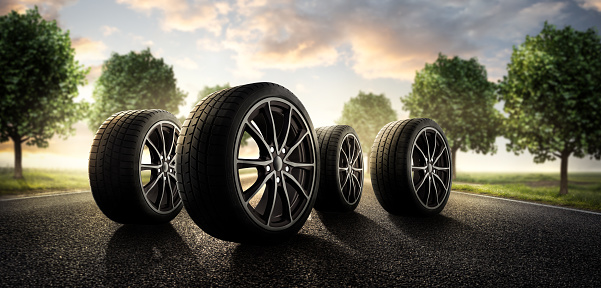
Tyres are among the most crucial parts of a vehicle, helping determine how safely it will perform. But they are still among the most neglected components of a vehicle. When it comes to tyre maintenance, most drivers only take care of it when they face an issue, such as a puncture, notice a warning light, or their vehicle fails its MOT due to a tyre-related issue. But tyres are the only part of the vehicle that is in touch with the surface, and hence their condition will directly impact the vehicle’s safety, performance, and reliability. By getting regular tyre inspections, drivers can identify issues with their vehicle before they become serious problems, helping reduce the risk of sudden roadside breakdowns. This blog post explains how routine tyre inspections can help prevent breakdowns and why it’s important.
Helps With Early Tyre Damage Detection
One of the biggest advantages of regular tyre inspections is the ability to detect tyre damage before it becomes a major problem. Car tyres Sheffield constantly face hazards such as potholes, kerbs, sharp objects, and poor road surfaces as a vehicle is driven, and even a minor impact can damage the tyre’s structure without causing a sudden puncture. Tyre inspection helps drivers find visible signs of damage such as cuts, cracks, bulges, embedded objects, or sidewall deterioration. For example, if there is a sidewall bulge that drivers have been ignoring for a long time, it might be identified during a tyre inspection, indicating internal structural damage that can cause sudden tyre failure. With timely identification of these problems, drivers can ensure that tyres are replaced or repaired on time before they cause any major breakdown on the road.
Helps Keep Right Tyre Pressure Level
Incorrect tyre pressure is one of the most common causes of tyre-related breakdowns. Having both tyres under- or overinflated could affect a vehicle’s safety and performance. If tyres have lower-than-required tyre pressure, they will generate more heat as more of the tyre will be in contact with the surface. The heat can also weaken the tyre structure and increase the risk of blowouts. This is also the most common reason for excessive tyre wear from the outer edges. Then comes overinflation, which means tyres have more air than the required level. Overinflation can increase the contact area of tyres. Maintaining the recommended level of air pressure can help maximise tyre lifespan, improve fuel efficiency, and reduce the risk of sudden tyre failure.
Keeping Tread Depth in Check
Another major advantage of timely tyre inspection is its role in maintaining tread depth. Tyre tread plays a critical role in maintaining grip and dispersing water from the road surface. But as tyres wear down, the traction reduces, especially when the vehicle is driven in wet weather. The minimum legal tread depth in the UK is 1.6 mm; if the tread depth is lower than that, the vehicle will not be legally permitted on public roads. Hence, drivers should get regular inspections done to monitor tread depth and identify excessive wear before it becomes a safety concern.
Preventing Punctures From Becoming Major Problems
Many punctures begin as minor issues that can easily be repaired if detected early. Nails, screws, and other road debris can get stuck in the tread, leading to a loss of tyre pressure. But that is where regular tyre inspection helps. Doing so will allow drivers to identify any foreign object that might have cracked the tyres and ensure that the puncture can be resolved at an early stage.
Improved Fuel Efficiency
Tyre condition directly affects fuel consumption. Underinflated tyres create higher rolling resistance, meaning the engine has to work harder to move the vehicle. Even a small reduction in tyre pressure can increase fuel usage over time. For drivers who cover significant annual mileage, this can lead to noticeable increases in running costs. Drivers who invest in quality products such as Bridgestone Tyres Sheffield can benefit from their advanced technology, which reduces rolling resistance, enhances vehicle performance, and improves fuel efficiency.
Conclusion
Getting tyres checked regularly is one of the simplest and most effective ways to prevent roadside breakdowns. As the check will include a tyre pressure inspection, a tread depth check, an inspection of overall tyre condition, and help identify signs of uneven wear, drivers can identify potential issues with their tyres. Making the right checks and getting the required repairs done can help improve fuel efficiency, extend tyre lifespan, enhance vehicle handling, and reduce the chances of unexpected tyre failure. Drivers can perform tyre checks as part of their routine vehicle maintenance, as this will not only help keep the driver safe but also prevent costly breakdowns.