
Modern manufacturing facilities rely heavily on efficient material handling systems to maintain productivity and meet growing production demands. As industries continue to focus on automation and operational efficiency, investing in the right equipment has become more important than ever.
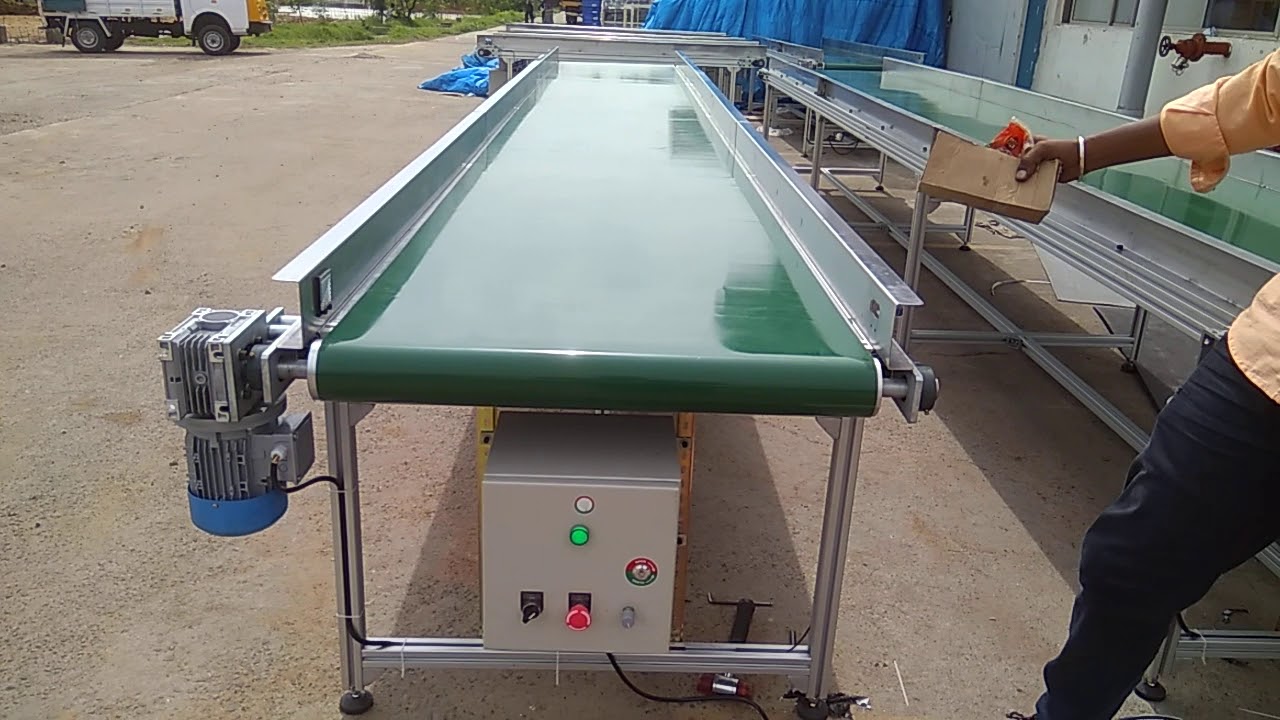
One of the most effective solutions for streamlining production processes is a Conveyor Machine. Designed to transport materials, products, and components from one stage of production to another, conveyor systems help businesses improve workflow, reduce labor costs, and increase overall efficiency.
From food processing and packaging plants to warehouses and industrial manufacturing units, a Conveyor plays a vital role in ensuring smooth and continuous operations. This article explores the top benefits of installing conveyor systems in manufacturing facilities and why they have become an essential part of modern industrial operations.
What Is a Conveyor Machine?
A Conveyor Machine is a mechanical system used to move materials, products, or goods within a facility. Depending on the application, conveyor systems can transport items horizontally, vertically, or along inclined paths.
Manufacturers use conveyors to handle a wide variety of materials, including:
- Raw materials
- Finished products
- Bulk materials
- Packaging items
- Food products
- Industrial components
By automating the movement of materials, businesses can achieve faster and more consistent production processes.
Improves Production Efficiency
One of the biggest advantages of installing a Conveyor Machine is its ability to improve overall production efficiency.
Manual transportation methods often slow down operations and create bottlenecks between production stages. Conveyor systems provide a continuous flow of materials, ensuring that products move smoothly throughout the facility.
This allows manufacturers to:
- Increase production output
- Reduce delays
- Improve workflow coordination
- Meet customer demand more effectively
A properly designed Conveyor system helps keep production lines running efficiently with minimal interruptions.
Reduces Labor Costs
Manual material handling requires significant manpower, especially in large manufacturing facilities.
By automating transportation tasks, a Conveyor Machine reduces the need for workers to move products manually between workstations.
Benefits include:
- Lower labor expenses
- Reduced overtime requirements
- Improved workforce productivity
- Better allocation of human resources
Employees can focus on higher-value tasks instead of spending time transporting materials across the facility.
Enhances Workplace Safety
Workplace safety is a top priority for manufacturing businesses.
Manual lifting, carrying, and transporting heavy materials can increase the risk of workplace injuries. Installing a Conveyor helps reduce these risks by minimizing direct worker involvement in material movement.
Safety benefits include:
- Reduced lifting injuries
- Lower risk of accidents
- Improved workplace ergonomics
- Safer handling of heavy materials
Automated systems help create a safer working environment while supporting regulatory compliance.
Ensures Consistent Material Flow
Consistency is essential for maintaining efficient manufacturing operations.
A Conveyor Machine provides a controlled and uninterrupted flow of materials throughout the production process. This consistency helps eliminate bottlenecks and reduces the chances of production delays.
Continuous material movement improves:
- Production scheduling
- Inventory management
- Equipment utilization
- Overall operational performance
Manufacturers can maintain steady production rates and improve delivery timelines.
Increases Production Speed
Speed is often a competitive advantage in manufacturing.
A well-designed Conveyor system enables materials and products to move quickly between different stages of production. Faster transportation results in shorter production cycles and improved throughput.
As a result, businesses can:
- Process more products in less time
- Meet tight deadlines
- Improve customer satisfaction
- Increase revenue potential
For facilities handling large production volumes, conveyor systems can significantly boost operational performance.
Minimizes Product Damage
Product damage during transportation can lead to financial losses and customer dissatisfaction.
A Conveyor Machine offers a controlled handling process that reduces the likelihood of products being dropped, mishandled, or damaged during movement.
This is particularly important in industries such as:
- Food processing
- Packaging
- Electronics manufacturing
- Pharmaceutical production
Reducing product damage helps improve quality control and reduce waste.
Optimizes Facility Space
Efficient use of available space is essential in manufacturing facilities.
A Conveyor system can be designed to fit the layout of a facility, allowing businesses to maximize production space while maintaining efficient material flow.
Conveyor systems can be installed:
- Horizontally
- Vertically
- Overhead
- On inclines
This flexibility helps manufacturers create organized production environments and improve workflow efficiency.
Supports Automation Initiatives
Many manufacturers are investing in automation to remain competitive in today’s market.
A Conveyor Machine serves as a key component of automated production systems by connecting various machines and workstations.
When integrated with automated equipment, conveyors can support:
- Automated sorting
- Packaging systems
- Assembly lines
- Robotic operations
- Quality inspection processes
Automation improves accuracy, consistency, and productivity across the facility.
Reduces Material Handling Errors
Human error is one of the leading causes of inefficiencies in manufacturing operations.
A Conveyor helps reduce errors associated with manual transportation, such as:
- Incorrect product placement
- Material mix-ups
- Delayed deliveries to workstations
- Inventory handling mistakes
By creating a predictable and structured movement process, conveyor systems contribute to more reliable operations.
Suitable for Various Industries
The versatility of a Conveyor Machine makes it suitable for a wide range of industrial applications.
Food Processing Industry
Conveyors are commonly used to transport ingredients, packaged foods, and finished products while maintaining hygiene standards.
Manufacturing Industry
Factories use conveyors to move raw materials and components through assembly and production lines.
Warehousing and Logistics
Distribution centers rely on conveyor systems for sorting, packaging, and shipping operations.
Chemical Industry
Industrial facilities use specialized conveyor systems to safely transport powders, granules, and other materials.
Easy Maintenance and Long-Term Reliability
Modern conveyor systems are designed for durability and long service life.
Routine maintenance typically includes:
- Belt inspections
- Lubrication
- Component checks
- Cleaning procedures
A well-maintained Conveyor Machine can operate efficiently for many years, making it a cost-effective investment for manufacturing facilities.
Improves Overall Return on Investment
Although installing a Conveyor requires an initial investment, the long-term benefits often outweigh the costs.
Businesses can achieve:
- Increased productivity
- Reduced labor expenses
- Lower product damage rates
- Improved operational efficiency
- Better production consistency
These improvements contribute to a stronger return on investment and enhanced profitability over time.
Conclusion
Installing a Conveyor Machine is one of the most effective ways to improve efficiency, productivity, and safety in manufacturing facilities. By automating material movement, reducing labor requirements, and supporting continuous production flow, conveyor systems help businesses optimize operations and stay competitive in today’s industrial environment.
Whether used in food processing, manufacturing, warehousing, or industrial production, a reliable Conveyor provides long-term value by enhancing workflow, minimizing operational challenges, and supporting sustainable business growth.


