Efficient material handling is one of the most important factors in modern manufacturing and processing industries. Whether handling powders, grains, chemicals, food ingredients, or industrial materials, businesses need reliable systems that can move products safely and consistently throughout the production process.
Among the various material handling solutions available today, the Screw Conveyor Machine has become one of the most widely used options due to its simplicity, reliability, and cost-effectiveness. Designed to transport materials efficiently from one point to another, these systems help manufacturers streamline operations, reduce manual labor, and increase productivity.
This article explores how a Screw Conveyor improves material handling efficiency and why it has become an essential component in many industries.
What Is a Screw Conveyor Machine?
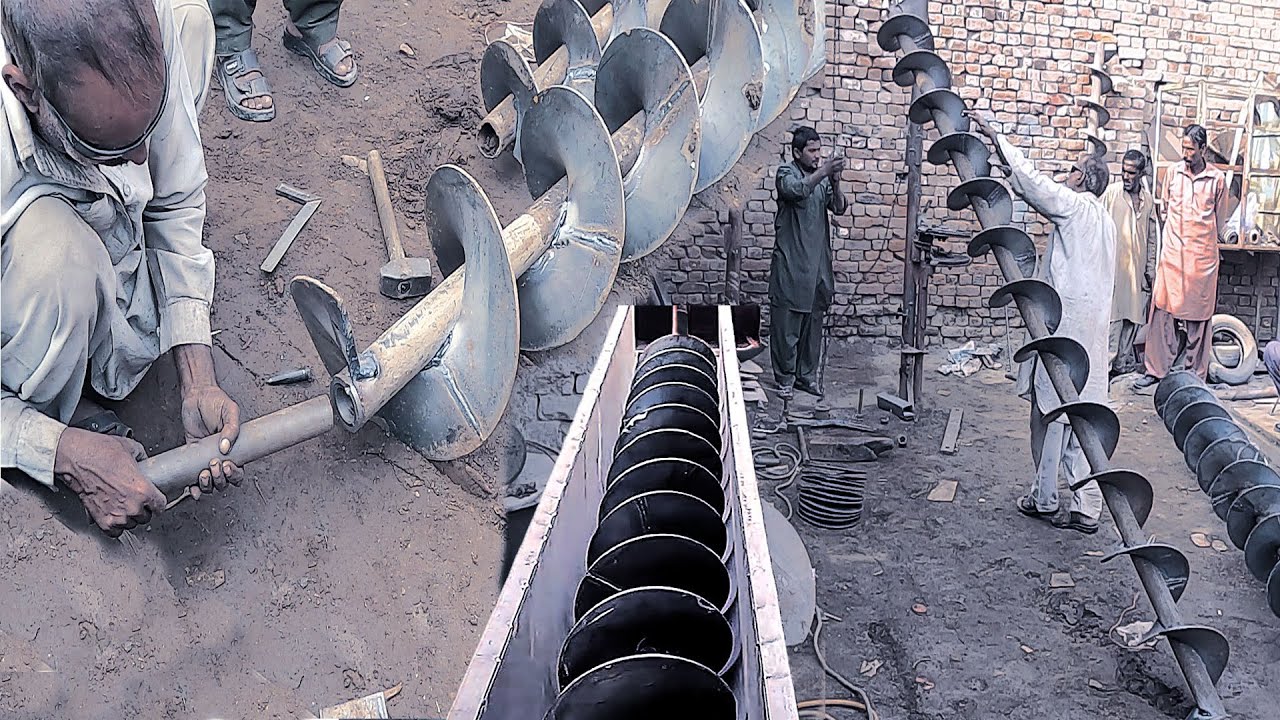
A Screw Conveyor Machine is a mechanical device used to transport bulk materials through a rotating helical screw blade, commonly known as a flight. The screw rotates inside a tube or trough, pushing materials along the conveyor path.
This system is commonly used to move:
- Powders
- Granules
- Grains
- Food products
- Chemicals
- Cement
- Minerals
- Agricultural materials
The enclosed design allows materials to be transferred safely and efficiently while minimizing product loss and contamination.
Why Material Handling Efficiency Matters
Material handling directly impacts production speed, operational costs, and overall workflow.
Inefficient handling systems can lead to:
- Production delays
- Material wastage
- Increased labor costs
- Workplace safety issues
- Product contamination
- Equipment bottlenecks
Implementing a properly designed Screw Conveyor Machine helps overcome these challenges by creating a continuous and controlled flow of materials throughout the production process.
Reduces Manual Material Handling
One of the biggest advantages of a Screw Conveyor is its ability to automate material movement.
Without automated systems, workers often need to manually transport materials using bags, carts, buckets, or forklifts. This process consumes time and increases labor costs.
By automatically moving materials between different production stages, a Screw Conveyor Machine reduces dependency on manual handling and allows employees to focus on more productive tasks.
Benefits Include:
- Lower labor costs
- Faster production cycles
- Reduced physical strain on workers
- Improved workplace safety
Provides Continuous Material Flow
Consistency is critical in manufacturing environments.
A Screw Conveyor Machine delivers a steady and controlled flow of materials, ensuring production processes remain uninterrupted.
Unlike manual methods that may create delays or inconsistencies, automated screw conveyors maintain a constant feed rate, which improves production efficiency and reduces downtime.
Industries that benefit from continuous material flow include:
- Food processing
- Chemical manufacturing
- Agriculture
- Pharmaceutical production
- Construction materials processing
Minimizes Material Loss
Material wastage can significantly increase operating expenses.
Because a Screw Conveyor typically operates within an enclosed system, it minimizes product spillage during transportation.
This is especially beneficial when handling:
- Fine powders
- Flour
- Sugar
- Cement
- Chemical compounds
- Granular materials
Reducing material loss helps companies improve profitability while maintaining cleaner production environments.
Enhances Workplace Safety
Safety is a major concern in industrial facilities.
Manual transportation of heavy or hazardous materials often increases the risk of accidents, injuries, and product exposure.
A Screw Conveyor Machine improves safety by:
- Reducing manual lifting requirements
- Limiting worker contact with materials
- Preventing spills on production floors
- Supporting safer material transportation
Enclosed conveyor systems are particularly useful when handling dusty, toxic, or sensitive materials.
Optimizes Production Space
Many manufacturing facilities operate in limited spaces where efficient equipment layout is essential.
A Screw Conveyor can be designed to fit specific production requirements and installed horizontally, vertically, or at an incline.
This flexibility allows manufacturers to maximize available floor space while maintaining efficient material movement throughout the facility.
Compact designs make screw conveyors particularly valuable in:
- Food processing plants
- Packaging facilities
- Chemical plants
- Agricultural processing units
Supports Multiple Industries
The versatility of a Screw Conveyor Machine makes it suitable for a wide range of industries.
Food Processing Industry
Food manufacturers use screw conveyors to transport ingredients such as:
- Flour
- Sugar
- Salt
- Spices
- Grains
The enclosed design helps maintain hygiene and reduce contamination risks.
Chemical Industry
Chemical plants rely on Screw Conveyor systems to move powders and granular materials safely between processing stages.
Agriculture Industry
Farmers and agricultural processors use screw conveyors for handling:
- Seeds
- Fertilizers
- Animal feed
- Grain products
Construction Industry
Construction material manufacturers often use screw conveyors to transport:
- Cement
- Sand
- Fly ash
- Lime powder
Improves Operational Efficiency
A properly designed Screw Conveyor Machine helps optimize overall plant performance.
Key efficiency improvements include:
- Faster material transfer
- Reduced downtime
- Better production planning
- Consistent material feeding
- Lower maintenance requirements
These advantages contribute to higher productivity and improved operational control.
Easy Maintenance and Long Service Life
Industrial equipment should be durable and easy to maintain.
One reason many businesses choose a Screw Conveyor is its relatively simple design.
With fewer moving parts than many alternative conveying systems, maintenance requirements are generally lower.
Routine inspections and preventive maintenance can help ensure:
- Reliable operation
- Longer equipment lifespan
- Reduced repair costs
- Minimal production interruptions
This makes screw conveyors a cost-effective long-term investment.
Customization Options
Every production facility has unique requirements.
Modern Screw Conveyor Machine systems can be customized based on:
- Material characteristics
- Conveyor length
- Capacity requirements
- Installation layout
- Industry-specific standards
Custom configurations help businesses achieve maximum efficiency while meeting operational goals.
Environmental Benefits
Many industries are working to improve sustainability and reduce waste.
Because a Screw Conveyor minimizes spillage and material loss, it supports cleaner production practices.
Additional environmental benefits include:
- Reduced dust generation
- Improved housekeeping
- Lower product waste
- Better resource utilization
These advantages help companies meet both operational and environmental objectives.
Choosing the Right Screw Conveyor Machine
Selecting the right conveyor system requires careful evaluation of several factors.
Businesses should consider:
- Material type
- Required capacity
- Conveyor length
- Operating environment
- Maintenance requirements
- Future production expansion
Working with an experienced manufacturer can help ensure the selected Screw Conveyor Machine meets current and future operational needs.
Conclusion
Efficient material handling is essential for maintaining productivity, reducing costs, and ensuring smooth industrial operations. A well-designed Screw Conveyor Machine offers a practical solution for transporting bulk materials safely and efficiently across various industries.
By reducing manual labor, minimizing product loss, improving safety, and supporting continuous production flow, a Screw Conveyor becomes a valuable asset for any facility focused on operational excellence. As industries continue to prioritize efficiency and automation, screw conveyor systems remain one of the most reliable and cost-effective material handling solutions available today.