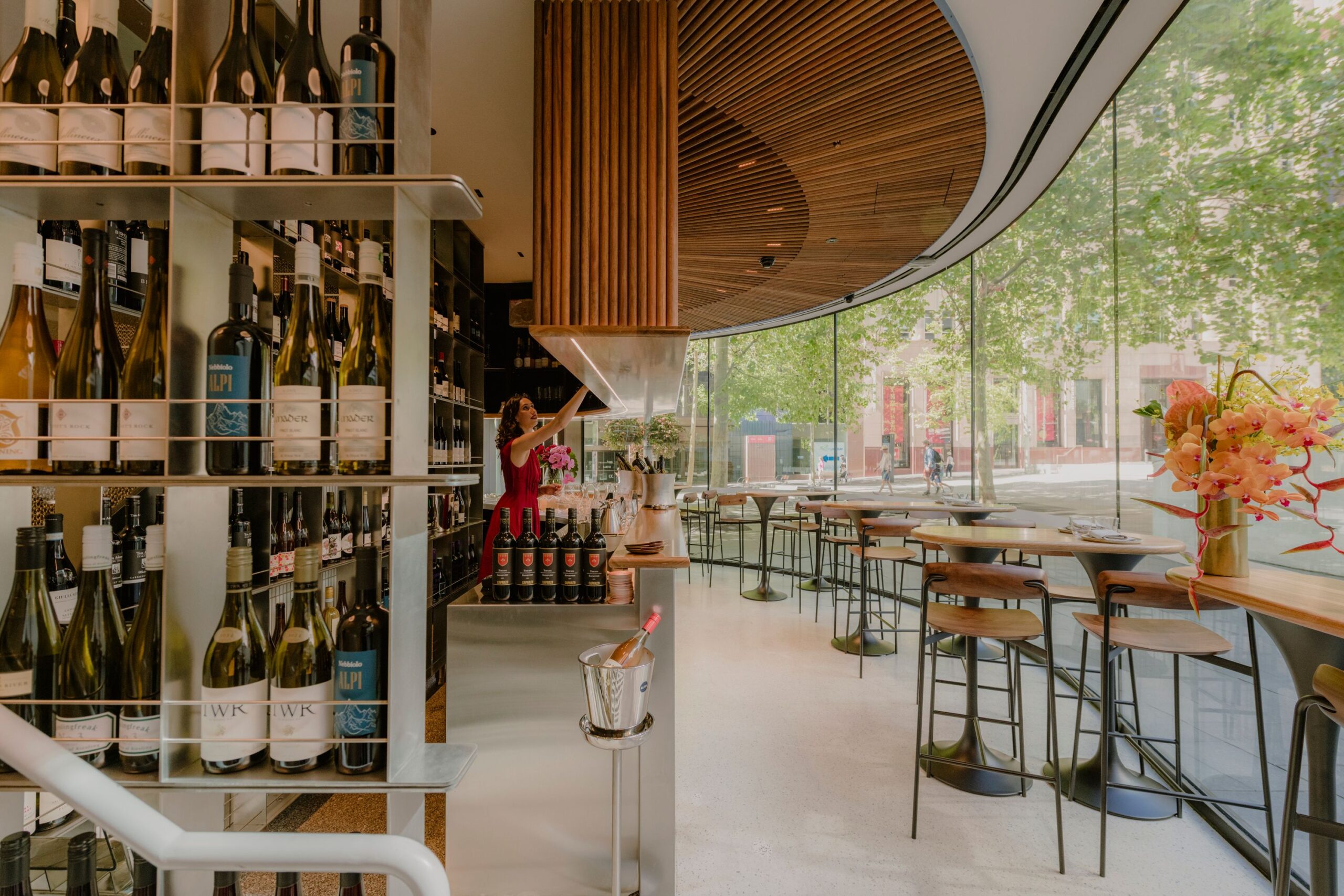
Sliding glass doors used to have one clear role. You’d see them on balconies or patios, where they let in light and create a connection between indoor and outdoor spaces. That’s still true today, but it’s no longer the whole story.
In modern homes, sliding glass doors have moved inside and are now used within the layout itself, not just along exterior walls. And this shift has changed how rooms connect, how air flows, and even how people move through a home.
In this article, we’ll share why sliding glass doors should be integrated into your home layout, where to put them, and which type suits best for your home.
How Sliding Glass Doors Transform Your Space
A good sliding glass door does three things well: it improves light, saves space, and adds flexibility.
1. Light, Visual Appeal, and Flow
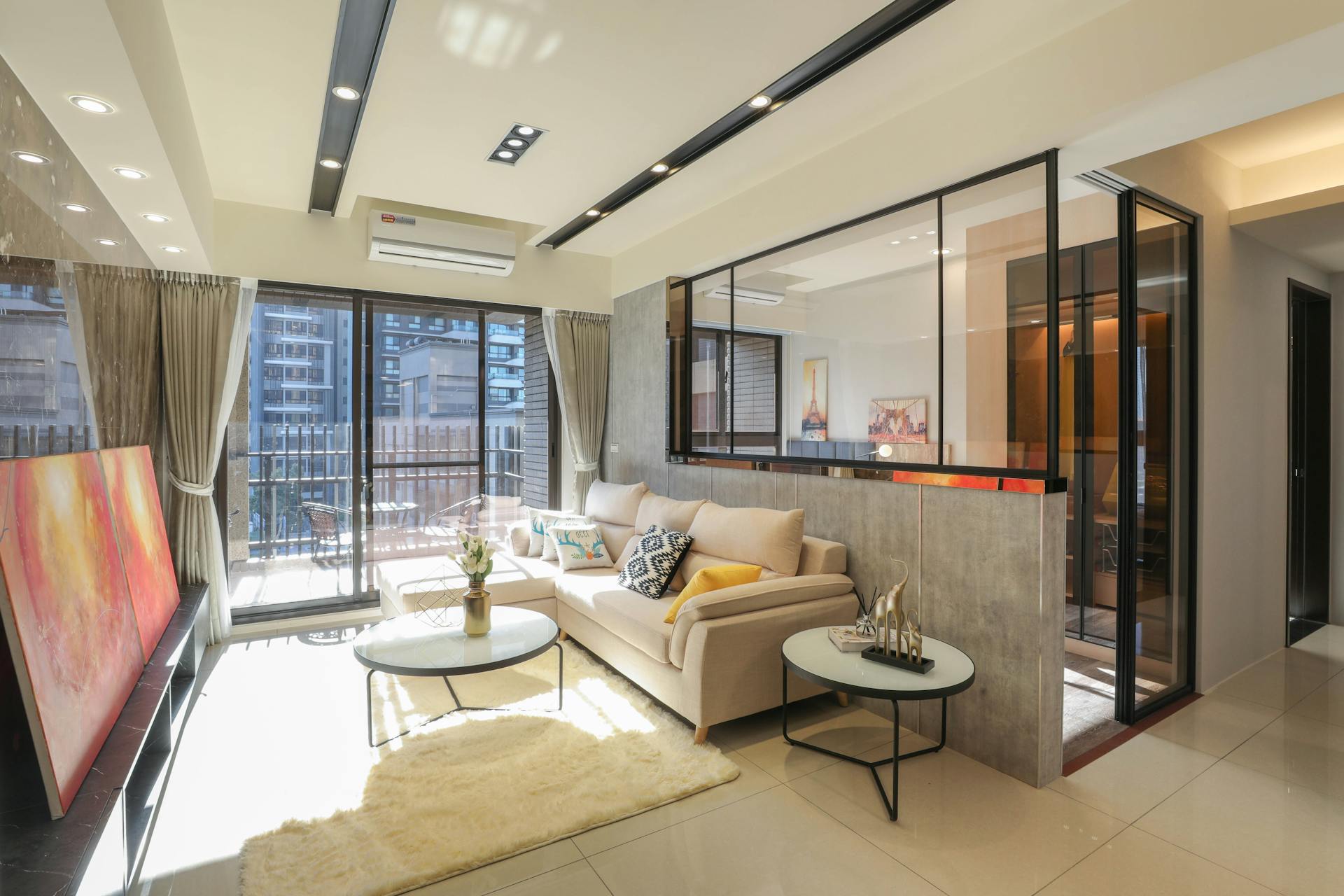
Natural light makes a small room feel larger. Instead of solid walls breaking up a layout, glass allows light to pass through, softening boundaries between spaces. Even interior rooms that usually feel closed off, like hallways or home offices, can feel open and connected.
2. Maximizing Space
Then there is the space-saving aspect. Traditional hinged doors need clearance to swing open. In tight layouts, that space often goes unused or limits furniture placement. Sliding doors, including sliding pocket doors, move along a track or disappear into the wall, freeing up valuable floor area.
3. Control and Flexibility
Functionally, they offer control. You can close off a room when needed or open it up completely. That kind of flexibility matters in homes where one area might serve multiple purposes throughout the day.
Beyond Patios and Balconies: Bringing Sliding Doors Inside the Home
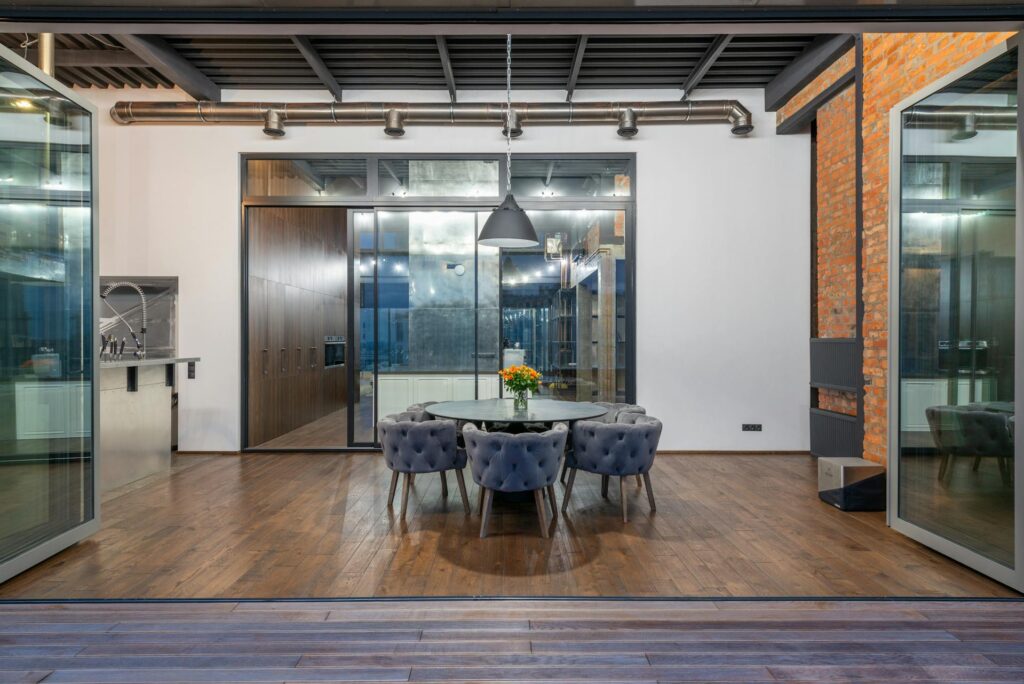
While sliding glass doors are still common on exterior walls, their use indoors has grown for good reason.
1. Flexible Room Dividers
They also work well as room dividers. In studio apartments or compact homes, one space often needs to serve multiple functions. A sliding door can split a bedroom from a living area, or a dining space from a lounge, without making either side feel boxed in.
2. Home Offices That Stay Connected
Home offices are a great example. Many people want separation for focus but still want to feel connected to the rest of the home. A sliding glass door creates a quiet boundary without making the space feel isolated. You can shut out noise during a call, then slide it open when you’re done.
3. Kitchens Without the Spillover
In kitchens, sliding glass doors can help contain smoke, heat, and cooking smells. This is especially useful in open-plan layouts where the kitchen flows directly into the living or dining area. Instead of permanently closing off the kitchen, you get the option to separate it only when needed.
4. Bathrooms and Closets That Feel Bigger
Even bathrooms and walk-in closets can benefit. Frosted or textured glass provides privacy while still allowing light to pass through, making these smaller areas feel less cramped.
Types of Sliding Glass Doors
Not all sliding doors are the same. Choosing the right type depends on your space, layout, and priorities.
1. Standard Sliding Doors
These are the most common. One or more panels slide along a visible track. They are simple, widely available, and relatively affordable. The downside is that one panel is usually fixed, which limits how wide the opening can be.
2. Sliding Pocket Doors
Sliding pocket doors disappear into a compartment inside the wall. When fully open, they are almost invisible. This makes them ideal for tight spaces where every inch counts. They create a clean, uncluttered look and allow for a full-width opening.
The trade-off is installation. Pocket doors require wall modifications, so they are easier to include during new construction or major renovations. Repairs can also be more complex if something goes wrong inside the wall.
3. Bi-Parting Sliding Doors
These have panels that slide open from the center to both sides. They are often used for larger openings and create a more balanced, symmetrical look. They can make a strong visual statement but usually cost more and require wider wall space.
4. Stacking or Multi-Panel Sliding Doors
These systems use several panels that slide and stack to one side. They are perfect for creating a wide opening between indoor and outdoor spaces, but they can also be used inside for flexible partitions. The main drawback is cost and the need for enough wall space to accommodate the stacked panels.
5. Frameless or Minimal-Frame Designs
These focus on maximizing glass and minimizing visible structure. They look sleek and modern, letting in as much light as possible. However, they tend to be more expensive and may require more careful maintenance.
Pros and Cons to Consider

Like any design choice, sliding glass doors come with trade-offs.
Advantages
- They make spaces feel larger and brighter
- They save floor space compared to hinged doors
- They offer flexible separation between rooms
- They add a modern, clean aesthetic
- They improve the flow between indoor and outdoor areas
Potential Drawbacks
- Installation can be more complex, especially for pocket doors
- Tracks need regular cleaning to function smoothly
- Glass requires frequent cleaning to stay clear
- Some designs may offer less sound insulation than solid doors
- High-quality systems can be more expensive upfront
A Practical Upgrade for Modern Living
More than just a design trend, sliding glass doors are innovative solutions to real problems in modern homes. They help small spaces breathe, improve how rooms connect, and give you more control over how each area is used. By opening up possibilities both literally and visually, sliding glass doors can make your home feel lighter, calmer, and more comfortable to live in.
Author Bio: Carmina Natividad is a resident writer for Eclisse UK, a leading British supplier of sleek sliding pocket door systems and concealed frame door solutions that help homeowners and designers maximise space and style in any home. From clever space-saving ideas to stylish interior tips, she loves opening doors (literally and figuratively) to practical insights and creative inspiration.