
Teenage years are full of change from rapidly developing bodies to evolving social habits and dietary choices. Amidst all this, oral health can sometimes take a back seat. Irregular brushing, increased consumption of sugary snacks and drinks, and orthodontic appliances such as braces make teenagers particularly susceptible to dental issues. Beyond aesthetics, poor oral hygiene during adolescence can lead to long-term problems like cavities, gum disease, and discolouration.Dental hygienists play an essential role in guiding teens toward effective oral care habits. By combining education, motivation, and personalised strategies, hygienists help teens build routines that protect their teeth both now and in the future. This article explores the ways dental hygienists support teens in maintaining healthy, confident smiles.
Understanding Teen Oral Health Challenges
Adolescence presents unique challenges for oral health. Understanding these challenges is the first step in providing effective guidance:
| Challenge | Description | Impact on Oral Health |
| Diet Changes | Increased intake of sugary snacks, fizzy drinks, and energy drinks | High sugar and acid levels increase the risk of cavities and enamel erosion |
| Hormonal Changes | Hormones can affect gum sensitivity | Teens are more prone to gingivitis and inflammation |
| Orthodontic Appliances | Braces, retainers, and other devices make cleaning difficult | Food particles and plaque accumulate in hard-to-reach areas |
| Lifestyle & Peer Influence | Skipping brushing, late-night snacking, or imitating peers | Irregular habits lead to plaque build-up and stains |
By recognising these factors, dental hygienists can tailor strategies to meet teens’ specific needs, making oral hygiene less daunting and more effective.
The Role of a Dental Hygienist in Teen Care
Dental hygienists are trained professionals who focus on preventive care and education. Their role in teen oral health goes beyond cleaning teeth; they actively teach, monitor, and motivate teenagers to adopt healthy habits.
Some key responsibilities of a hygienist include:
- Assessment: Evaluating a teen’s oral hygiene routine, plaque levels, and gum health.
- Education: Demonstrating proper brushing, flossing, and interdental cleaning techniques.
- Motivation: Using encouragement, goal-setting, and feedback to keep teens engaged.
- Specialised Care: Providing guidance for those with braces, retainers, or sensitive teeth.
Regular visits to a hygienist in Grimsby ensure early intervention. Stains, plaque build-up, or gingivitis can be addressed promptly, preventing escalation into more serious dental problems.
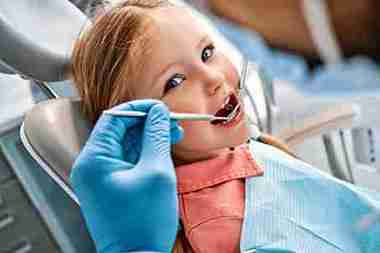
emergency dentist in Grimsby
Key Techniques Hygienists Use to Guide Teens
Hygienists use a combination of education, practical demonstrations, and motivational tools to help teens maintain proper oral hygiene.
1. Personalized Education
Teenagers respond best to hands-on learning. Hygienists often demonstrate:
- Correct brushing techniques using age-appropriate toothbrushes.
- Flossing and interdental cleaning, including special tools for braces.
- How to rinse effectively and maintain a healthy mouth.
Educating teens about the consequences of neglecting oral care, like cavities and bad breath, helps them understand why routines matter.
2. Motivational Strategies
Keeping teens motivated can be challenging. Hygienists employ techniques such as:
- Reward Systems: Stickers, charts, or apps to track consistency.
- Goal Setting: Encouraging teens to meet daily and weekly oral care targets.
- Gamification: Turning oral hygiene into a fun challenge with family or friends.
These strategies help teens take ownership of their oral health and make the experience less of a chore.
3. Nutritional Advice
A hygienist educates teens about diet’s impact on teeth:
- Reducing sugary snacks, fizzy drinks, and acidic beverages.
- Replacing snacks with teeth-friendly options like fruits, vegetables, and cheese.
- Managing when you consume sugar to reduce damage, for example, having treats during meals instead of as snacks between meals.
Understanding the link between diet and dental health empowers teens to make better choices.
4. Orthodontic Cleaning Guidance
Braces, retainers, and other appliances create additional challenges:
- Hygienists demonstrate the use of floss threaders, interdental brushes, and water flossers.
- Cleaning around brackets and wires is explained step by step.
- Tips on preventing plaque accumulation and staining during orthodontic treatment are provided.
Proper guidance reduces the risk of cavities and gum inflammation during orthodontic treatment.
5. Regular Check-Ups and Monitoring
Regular professional care reinforces good habits:
- Visiting a hygienist every six months enables them to keep track of your oral health.
- Advancements are monitored, and guidance is given to help enhance techniques.
- Early signs of issues such as cavities or gum disease are detected and treated promptly.
Encouraging Consistent Home Care
Hygienists emphasise building routines that fit teens’ lifestyles:
Daily Oral Hygiene Tips for Teens:
- Brush your teeth two times a day using fluoride toothpaste for a minimum of two minutes each session.
- Floss or use interdental brushes once a day.
- Use mouthwash if recommended by a dental professional.
- Keep toothbrushes clean and replace them every 3 months.
- Avoid skipping brushing after late-night snacks.
Parental support is also important. Encouraging teens without nagging and leading by example helps them adopt lasting habits.
Addressing Common Teen Issues
Teens often face obstacles in maintaining oral hygiene. Hygienists address these common issues:
Typical Concerns & Solutions:
- If you dislike flossing, try enjoyable alternatives such as floss picks or a water flosser.
- Braces make brushing hard. Teach step-by-step cleaning methods using special brushes.
- I only brush once a day. Explain the risks and create a simple routine that fits their schedule.
By tackling these challenges, hygienists help teens maintain oral care routines that are both manageable and enjoyable.
When to Consult a Dentist
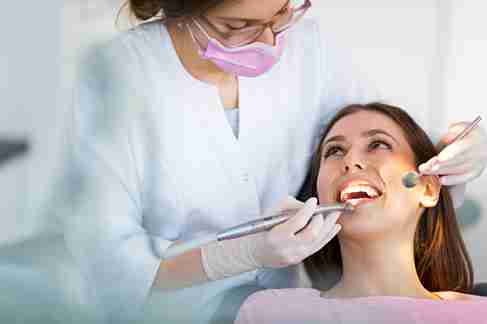
Even with good hygiene, certain symptoms require professional attention. Signs that it’s time to consult a dental professional include:
- Persistent tooth sensitivity or discomfort
- Stubborn plaque or stains
- Pain, swelling, or bleeding gums
If these issues escalate, contacting an emergency dentist in Grimsby may be necessary to diagnose and treat underlying problems promptly. Early intervention prevents minor concerns from becoming serious dental issues and protects long-term oral health.
Conclusion
Guidance from a dental hygienist is invaluable in helping teens develop strong oral hygiene habits. Through education, personalised strategies, nutritional advice, and regular monitoring, teens can learn to care for their teeth effectively. Early guidance sets the foundation for a lifetime of healthy smiles.For parents and teens in Grimsby, scheduling an appointment with Grimsby ensures professional support from experienced hygienists, providing tailored care and helping teens build confidence in their oral health. With consistent professional guidance and mindful home routines, teens can enjoy healthy, bright smiles for years to come.