
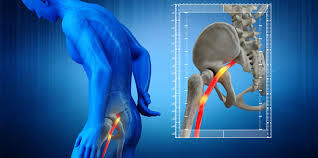
Sciatica pain can take over your life. It may start as a dull ache in your lower back, then travel down your hip and leg as a sharp, burning, or electric-like sensation. Sitting becomes uncomfortable. Standing too long feels unbearable. Even sleep may be disrupted.
If you’re struggling with ongoing leg or lower back pain, seeking professional Sciatica Treatment in St. Louis can help you find long-term relief. The right diagnosis and targeted care can make the difference between temporary symptom relief and true recovery.
What Is Sciatica?
Sciatica refers to pain caused by irritation or compression of the sciatic nerve the largest nerve in the body. It runs from your lower spine through your hips and down each leg.
When this nerve becomes compressed or inflamed, symptoms may include:
- Sharp or shooting pain down one leg
- Burning or tingling sensation
- Numbness in the leg or foot
- Weakness in the affected leg
- Pain that worsens when sitting
Sciatica is not a condition itself. It is a symptom of an underlying spine issue.
What Causes Sciatica?
Understanding the cause is essential for effective treatment.
Herniated Disc
A bulging or ruptured disc in the lower back can press on the sciatic nerve.
Spinal Stenosis
Narrowing of the spinal canal may compress nerves, especially in older adults.
Degenerative Disc Disease
Age-related disc changes can irritate nearby nerves.
Spondylolisthesis
When one vertebra slips over another, it can pinch nerve roots.
Piriformis Syndrome
Tightness in the piriformis muscle in the buttock can irritate the sciatic nerve.
Because multiple conditions can trigger sciatica, a proper evaluation by Spine Specialists in St. Louis is crucial.
When Should You Seek Sciatica Treatment?
You should consider professional care if:
- Pain lasts longer than 2–3 weeks
- Symptoms are worsening
- You experience numbness or weakness
- Pain interferes with daily activities
- Over-the-counter medications are not helping
Severe symptoms such as loss of bladder or bowel control require immediate medical attention.
Early treatment often prevents chronic nerve damage.
Solution-Based Sciatica Treatment in St. Louis
Most sciatica cases improve without surgery. The goal of treatment is to reduce inflammation, relieve nerve pressure, and restore function.
Non-Surgical Treatment Options
Physical Therapy
Targeted exercises strengthen core muscles, improve flexibility, and reduce nerve compression. Therapy also corrects posture and movement patterns.
Anti-Inflammatory Medications
These reduce swelling around irritated nerves.
Epidural Steroid Injections
Guided injections deliver medication directly near the affected nerve root to calm inflammation.
Activity Modification
Avoiding movements that worsen nerve compression supports healing.
Chiropractic or Manual Therapy
In select cases, gentle adjustments may improve mobility.
Many patients experience significant improvement within weeks when following a structured treatment plan.
When Is Surgery Needed?
Surgery is considered when:
- Conservative treatments fail
- Pain is severe and persistent
- There is progressive weakness
- Imaging shows significant nerve compression
Minimally invasive procedures, such as microdiscectomy, remove the portion of the disc pressing on the nerve. Advances in surgical techniques allow for smaller incisions, reduced recovery time, and improved outcomes.
Experienced Spine Specialists in St. Louis carefully evaluate whether surgery is truly necessary and recommend it only when it offers clear benefit.
Why Personalized Treatment Matters
No two cases of sciatica are the same. Some patients have mild inflammation. Others have significant disc damage or structural spine issues.
A personalized treatment plan ensures:
- Accurate diagnosis
- Targeted therapy
- Faster recovery
- Lower risk of recurrence
Comprehensive evaluation may include:
- Detailed medical history
- Physical and neurological examination
- X-rays or MRI imaging
- Movement and posture assessment
This approach focuses on treating the root cause not just masking symptoms.
What Happens If Sciatica Is Ignored?
Ignoring ongoing sciatica may lead to:
- Chronic nerve irritation
- Persistent weakness
- Muscle atrophy
- Reduced mobility
- Lower quality of life
Early intervention improves outcomes and prevents long-term complications.
How to Prevent Sciatica Flare-Ups
Even after recovery, prevention is important.
- Maintain good posture
- Strengthen core muscles
- Avoid prolonged sitting
- Lift with proper technique
- Maintain a healthy weight
- Stay physically active
Simple lifestyle adjustments significantly reduce recurrence risk.
Emotional Impact of Sciatica
Sciatica doesn’t just affect your body it affects your life. Chronic pain can impact mood, productivity, and sleep. Many patients feel frustrated or discouraged when symptoms persist.
The good news is that effective Sciatica Treatment in St. Louis offers real solutions. With expert guidance and a structured plan, most patients regain comfort, confidence, and mobility.
Final Thoughts
Sciatica pain is your body’s warning sign that a nerve is under stress. While mild cases may improve on their own, persistent symptoms require professional evaluation.
With the help of experienced Spine Specialists in St. Louis, you can identify the root cause and receive targeted treatment that promotes long-term healing.
Relief is possible. The right care can help you move freely, sleep comfortably, and return to the activities you enjoy.
Frequently Asked Questions
What is the fastest way to relieve sciatica pain?
Targeted physical therapy and anti-inflammatory treatments often provide relief quickly.
Can sciatica go away on its own?
Mild cases may improve, but persistent or worsening pain requires medical evaluation.
How long does sciatica last?
Acute sciatica may last a few weeks. Chronic cases can persist without treatment.
Is surgery always required for sciatica?
No. Most patients improve with non-surgical treatment options.
When should I see a spine specialist for sciatica?
If pain lasts more than two to three weeks, worsens, or causes weakness or numbness, schedule an evaluation.

