Winter brings chilly mornings, cold nights, and a yearning for warmth. Whether you live in a region with harsh winters or simply want added comfort during cool months, a room heater can transform your living space into a cozy haven. But with so many options available, choosing the best room heater for winter can feel overwhelming.
This guide will walk you through heater types, how they work, what to consider before buying, safety and energy tips, and how to pick the ideal device that matches your needs. By the end, you’ll be equipped to choose a reliable heater that keeps your home warm and comfortable all winter long.
Why Choose a Room Heater for Winter?
Winter chill isn’t just uncomfortable — it can affect health, sleep quality, productivity, and overall mood. While central heating is ideal, many homes don’t have built-in systems. Portable room heaters offer several benefits:
- Instant warmth when and where you need it
- Localized heating for specific rooms
- Energy savings by heating only occupied spaces
- Easy installation and portability
- Affordable comfort compared to full HVAC systems
How Room Heaters Work
Understanding how heaters generate and distribute warmth helps you pick the right type for your space.
1. Convection Heating
Convection heaters warm the air in a room. They heat cooler air and allow it to rise naturally, creating airflow that distributes warmth throughout the space.
- Best for: Larger spaces and evenly distributed heat
- How it feels: Gentle warmth that gradually fills the room
2. Radiant (Infrared) Heating
Radiant heaters emit infrared rays that warm objects, furniture, and people directly — similar to how sunlight warms surfaces.
- Best for: Quick, focused heating
- How it feels: Instant warmth upon facing the heater
3. Fan-Assisted Heating
These heaters combine an internal heating element with a fan that pushes warm air into the room. Fans improve heat circulation.
- Best for: Rapid warmth and medium-sized rooms
- How it feels: Quick, distributed warmth
4. Oil-Filled Radiator Heating
Oil heaters heat a special thermal oil inside sealed columns. Once heated, the oil radiates warmth slowly and steadily.
- Best for: Long-lasting, silent heat
- How it feels: Gentle and consistent warmth over time
Types of Room Heaters and Their Benefits
Choosing the right heater depends on your space, heating preference, and budget. Let’s explore common types:
1. Convection Heaters
Convection heaters are often slim and tall. They work quietly and are excellent for whole-room heating.
Advantages:
- Even heat distribution
- Silent operation (most models)
- Ideal for larger rooms
Considerations:
- Takes a bit longer to feel warm
- Not ideal for spot heating
2. Infrared / Radiant Heaters
Radiant heaters generate heat that travels in straight lines to warm objects and people directly.
Advantages:
- Instant warmth
- Great for personal heating
- Efficient for small spaces
Considerations:
- Heat doesn’t spread to the entire room
- Effective only in the heater’s direction
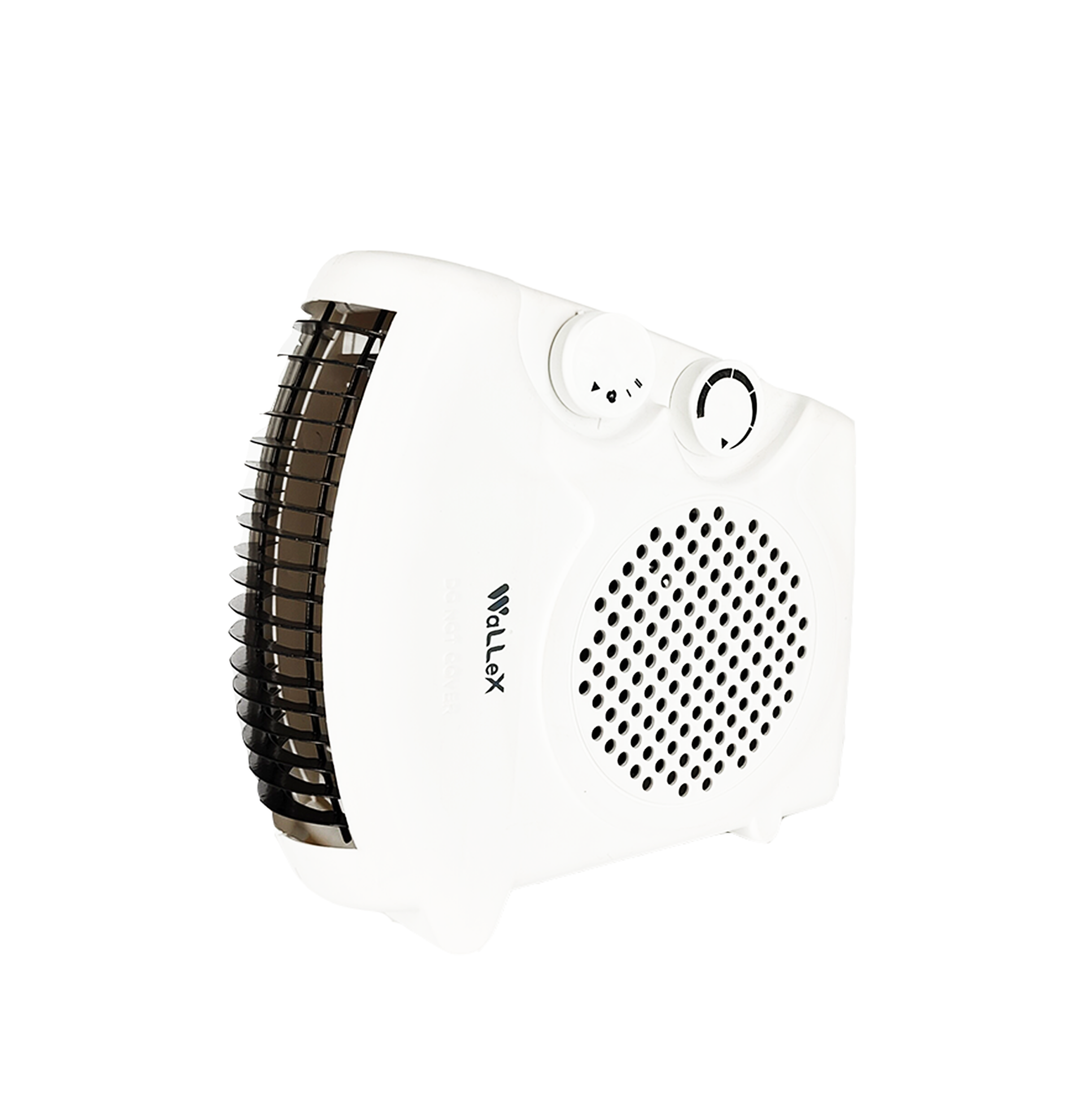
3. Fan Heaters
These heaters distribute warm air quickly using an internal fan mechanism.
Advantages:
- Fast room heating
- Adjustable heat settings
- Suitable for small to medium rooms
Considerations:
- Fan noise possible
- Slightly higher energy use
4. Oil-Filled Heaters
Oil-filled radiators heat slowly but retain warmth long after they’re turned off.
Advantages:
- Silent, non-fan operation
- Continuous warmth
- Safe and stable heating
Considerations:
- Slower warm-up time
- Bulky and less portable
Key Features to Consider When Buying a Room Heater
To find the best room heater for winter, focus on these essential factors:
1. Heating Capacity and Room Size
A heater’s power is measured in watts (W) or kilowatts (kW). More power means more warmth, but also higher electrical use.
- Small room: Lower power
- Medium room: Mid-range wattage
- Large room: Higher wattage
Choosing the right capacity ensures efficient heating and comfortable warmth.
2. Heat Control and Thermostat
A thermostat helps maintain desired room temperature. Adjustable heat settings allow:
- Custom comfort levels
- Energy savings
- Consistent warmth
3. Safety Features
Safety is critical, especially in homes with children or pets. Look for:
- Auto shut-off if the heater overheats
- Tip-over protection that cuts power if knocked
- Cool-touch exterior for added safety
These features protect your home and prevent accidents.
4. Portability
Portable heaters are easy to move between rooms. Consider:
- Handle or wheels for easy transport
- Compact design if space is limited
Portability adds flexibility to your heating setup.
5. Noise Levels
While convection and oil heaters operate silently, fan heaters can produce some sound. If you prefer quiet warmth in bedrooms or study spaces, opt for low-noise models.
6. Energy Efficiency
Electricity costs matter, especially in winter. Energy-efficient heaters have:
- Adjustable thermostat
- Timer controls
- Eco heat modes
These help reduce energy use and lower bills.
Comparing Heater Technologies for Winter Use
Each heater type performs differently depending on room size, heat distribution needs, and comfort goals.
Convection vs. Radiant Heating
- Convection: Heats the air; best for overall room warmth
- Radiant: Heats people and objects; best for instant comfort
For whole-room warmth in living rooms or bedrooms, convection models are ideal. Radiant heaters work best when you want immediate warmth in a specific area.
Fan Heaters vs. Oil-Filled Heaters
- Fan heaters: Quick heat with airflow
- Oil heaters: Slow but constant warmth without breeze
If you want rapid heat even in winter mornings, fan heaters are a strong choice. Oil heaters are excellent for silent evenings and maintaining comfort during long periods.
Room Heaters for Different Needs
Let’s explore how heaters perform in real-world winter scenarios:
1. Bedroom Comfort
Bedrooms benefit from silent and steady heaters. A model with a thermostat and safety shut-off keeps the space warm throughout the night. Oil-filled heaters or silent convection heaters are ideal here.
2. Living Room Warmth
A living room often requires a heater with more power and wide heat coverage. Fan heaters or larger convection models ensure the entire space stays warm during family gatherings and relaxing evenings.
3. Study or Home Office
Focused warmth near desks and workspaces helps productivity. Radiant heaters or compact fan heaters offer directed heat without heating the whole room unnecessarily.
4. Small Apartments or Studio Spaces
Efficiency and portability are key. Small heaters with adjustable settings allow personalized warmth without consuming too much power.
Safety and Usage Tips for Winter Heater Use
To enjoy comfortable and safe winter heating:
1. Proper Placement
- Place heaters on stable, flat surfaces
- Keep away from curtains, paper, and flammable items
- Maintain at least one meter clearance
Proper placement prevents fire hazards and ensures effective airflow.
2. Avoid Extension Cords
Plug heaters directly into wall outlets. Using extension cords can cause overheating and electrical risks.
3. Turn Off When Not in Use
Always switch off the heater:
- Before sleeping
- When leaving the house
This saves energy and reduces risks.
4. Regular Cleaning and Maintenance
Dust can affect performance:
- Wipe surfaces regularly
- Ensure vents are free of debris
Clean heaters work more efficiently.
5. Maintain Airflow and Ventilation
Even warm rooms need fresh air. Briefly opening windows during the day helps maintain indoor air quality.
Winter Heating Tips Beyond the Heater
Your heater works best when combined with smart home practices:
1. Insulate Doors and Windows
Seal drafts with weather stripping or curtains to trap warmth.
2. Use Warm Bedding and Rugs
Rugs add insulation, and warm blankets retain heat.
3. Layer Clothing Indoors
Additional layers keep heat close to your body and reduce heater dependence.
4. Schedule Heating
Set timers to warm rooms before use and switch off automatically to save power.
5. Combine Heating with Humidity Control
Heaters can dry out air. A humidifier maintains comfortable moisture, reducing throat or skin dryness.
Conclusion
Choosing the best room heater for winter means finding a device that matches your space, comfort needs, and energy goals. Whether you prefer the gentle, silent warmth of convection heaters, the instant comfort of radiant heat, the quick airflow of fan heaters, or the consistent heat retention of oil-filled radiators — there’s a perfect option for every home and lifestyle.
By focusing on key factors like room size, capacity, safety, energy efficiency, and portability, you can confidently select a heater that keeps your winter warm without burning a hole in your wallet. Combined with smart home habits like insulation and humidity control, your room heater will make chilly months comfortable, cozy, and delightful.
Warmth is not just a temperature — it’s comfort, relaxation, and the feeling of home. Choose wisely, stay warm, and enjoy every moment this winter!