Introduction: Understanding Kratom Extract in 2026
Kratom products come in many forms, from traditional leaf powder and capsules to concentrated liquids, tablets, and extracts. Among these options, kratom extract attracts attention because it contains concentrated compounds from the leaves of Mitragyna speciosa, a tropical tree native to Southeast Asia.
But what makes an extract different from regular kratom powder? How strong can it be, and what should consumers know before considering a product?
These questions matter for shoppers in the United States, where kratom-related laws vary by state and locality. Concentrated products can also present additional risks because their potency may be difficult to estimate from a label alone.
This guide explains seven important facts about kratom extracts, including their composition, common forms, labeling, quality testing, and safety considerations. Whether you are researching botanical products or comparing product labels, understanding these details can help you make more informed decisions.
1. What Is Kratom Extract?
Kratom extract is a concentrated preparation made from kratom leaves. Manufacturers process the leaves to obtain certain naturally occurring compounds, including alkaloids such as mitragynine. Depending on the extraction process, the resulting product may have a different alkaloid concentration from ordinary leaf powder.
Understanding Mitragyna speciosa Extract
Mitragyna speciosa is the botanical name for the kratom tree. Its leaves contain multiple alkaloids, including mitragynine and 7-hydroxymitragynine, commonly called 7-OH.
Mitragynine interacts with opioid receptors in the body, although kratom’s overall pharmacology is complex and is not identical to that of conventional opioid medications. The effects and risks of kratom products can vary considerably.
A mitragynine extract may be marketed as a concentrated botanical preparation. However, the word “extract” alone does not establish its strength, purity, or safety.
How Is Kratom Leaf Extract Made?
Production methods vary, but a general extraction process may involve:
- Preparing dried kratom leaves.
- Using a solvent to separate selected plant compounds.
- Filtering the resulting liquid.
- Concentrating the material and processing it into a finished product.
- Testing and packaging the product, depending on the manufacturer’s procedures.
Different methods can produce different alkaloid profiles. Two products described as kratom extracts may therefore have substantially different compositions.
Key takeaway: An extract is a concentrated preparation, not a guarantee of consistent potency or quality.
2. Kratom Extract vs. Regular Kratom: What’s the Difference?
One of the most common consumer questions is how concentrated extracts compare with traditional kratom powder.
Regular kratom powder is generally made by drying and grinding leaves. Extracts undergo additional processing intended to concentrate certain compounds.
Main Differences Between Kratom Forms
| Feature | Regular Kratom Powder | Kratom Extract |
| Source material | Dried, ground leaves | Processed leaf material |
| Composition | Contains leaf material and its naturally occurring compounds | Contains concentrated compounds in varying proportions |
| Product forms | Powder and capsules | Liquids, shots, tablets, powders, and other formats |
| Potency | Varies by batch and product | Can be substantially concentrated |
| Label interpretation | Leaf weight may be listed | Extract weight may not indicate actual alkaloid content |
| Main concern | Variable composition and individual reactions | Variable composition and potentially greater exposure to concentrated alkaloids |
The important distinction is not simply whether a product is a powder, liquid, or tablet. It is the quantity and composition of its active compounds.
For example, a small extract tablet may contain concentrated alkaloids, while a larger quantity of ordinary leaf powder may have a different alkaloid profile. Comparing the two by weight alone can be misleading.
What About Extract Ratios?
Some products display ratios such as 10:1 or 20:1. These figures may describe a manufacturer’s extraction ratio, but they do not necessarily indicate that the finished product is exactly 10 or 20 times stronger than ordinary powder.
Extraction yield, source material, processing methods, and alkaloid concentration all influence the final product.
Look for clear quantitative information about the finished product rather than relying solely on ratio claims.
3. How Strong Is Kratom Extract?
Kratom extract potency varies by formulation, alkaloid concentration, and manufacturing process. There is no single strength that applies to every extract product.
Some extracts are standardized to a stated mitragynine concentration, while others provide limited information about their composition.
Why Concentration Matters
Mitragynine is one of the primary alkaloids associated with kratom’s effects. Other alkaloids can also contribute to its pharmacological activity. Products with different concentrations or ratios may produce different effects and risks.
A product’s total weight does not necessarily reveal how much mitragynine it contains.
For instance, two tablets may each weigh 500 milligrams, but their alkaloid concentrations could differ significantly. A larger number on the package does not automatically mean a more potent product unless the label clearly identifies what that number measures.
Understanding Product Labels
When reviewing a kratom extract label, check for:
- Serving or unit weight: The total mass of the powder, tablet, or liquid.
- Mitragynine content: The amount stated per serving or unit, if disclosed.
- Other alkaloids: Whether the manufacturer provides additional compositional information.
- Testing documentation: Whether a recent certificate of analysis is available.
- Added ingredients: Other botanical extracts, stimulants, or compounds that may affect the product’s risk profile.
Avoid assuming that a product with a high extract ratio or an “extra strength” label has a predictable effect.
Concentrated kratom products may increase the risk of adverse reactions, dependence, and overdose. Taking more because an initial effect seems mild can be especially risky because the onset and duration of effects vary.
4. Kratom Extracts Come in Several Forms
Kratom extracts are sold in multiple formats. Each format has practical differences, but no form is inherently safe simply because it is convenient or easy to use.
Liquid Extracts and Kratom Tinctures
Liquid extracts and tinctures are often packaged in small bottles or single-serving containers. The term “tincture” generally describes a liquid preparation, but kratom product terminology is not always consistent.
Some liquid products may disclose alkaloid content per milliliter or serving, while others provide only a total extract weight or proprietary blend description.
Always distinguish the amount of liquid from the amount of concentrated botanical material it contains.
Powdered Kratom Extract
Powdered extracts are concentrated materials that can be packaged separately or incorporated into other products. Their appearance may resemble ordinary kratom powder, making label information particularly important.
The phrase “best pure powdered kratom extract powder” is a marketing-oriented description rather than a standardized scientific category. Purity claims should be supported by independent laboratory results.
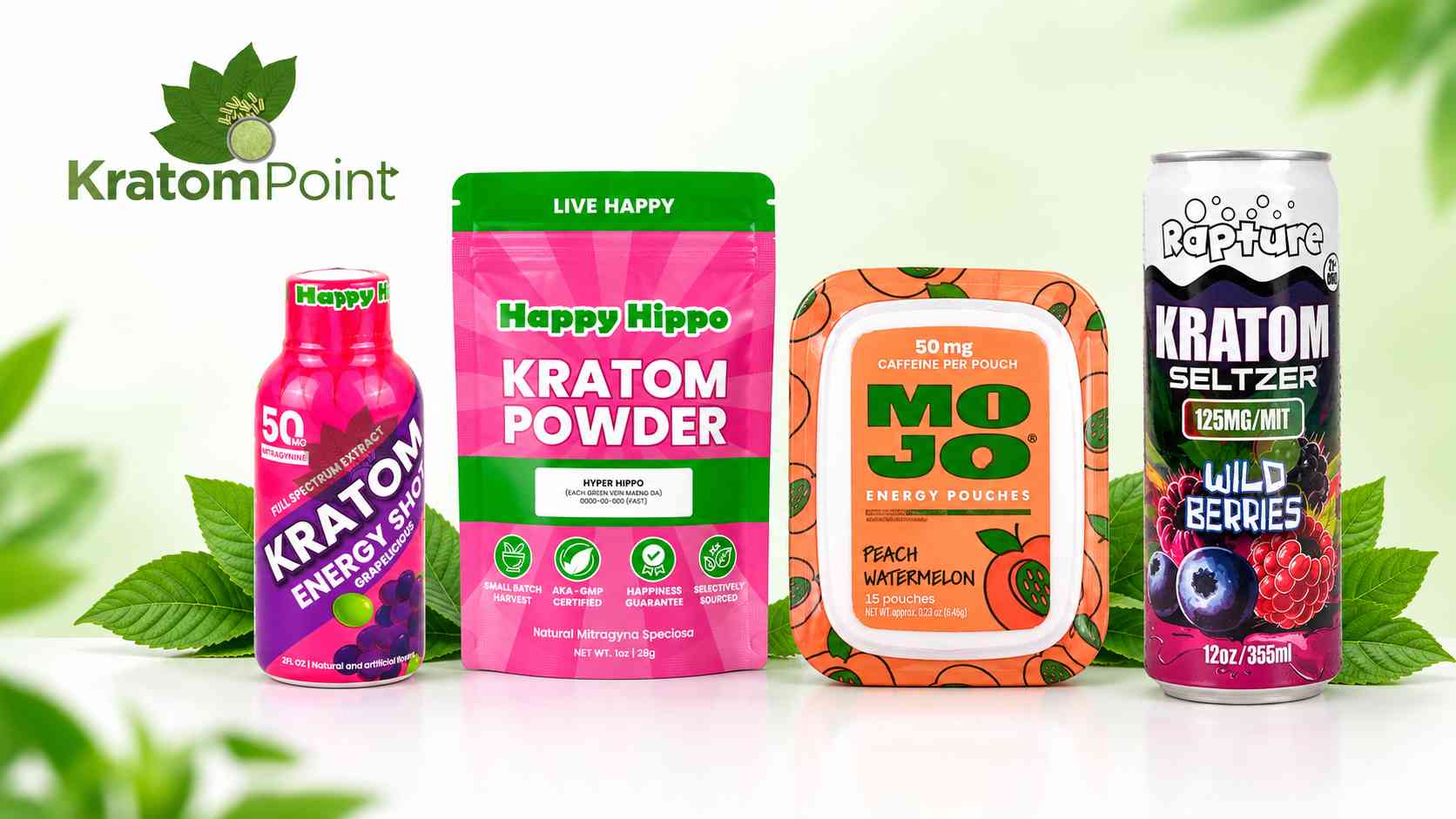
Tablets, Capsules, and Shots
Extracts may also appear in tablets, capsules, or ready-to-use shots. These formats can make packaging and serving information easier to read, but they do not guarantee accurate labeling or consistent composition.
Check whether the stated amount refers to the entire product, the extract itself, or a specific alkaloid.
Practical tip: Compare products using clearly disclosed alkaloid measurements and credible laboratory documentation, not appearance, package size, or marketing language alone.
5. Kratom Tincture vs. Extract: What Should Consumers Know?
The terms “tincture” and “extract” can overlap, which makes product comparisons confusing.
An extract is a preparation produced by separating and concentrating selected constituents from source material. A tincture traditionally refers to a liquid preparation made using a solvent, often alcohol, although commercial botanical formulations differ.
A kratom tincture can therefore also be an extract. The terms do not necessarily identify two separate categories.
Which Label Details Matter Most?
When comparing a kratom tincture with another extract, consider these questions:
- Does the label state the amount of extract per serving?
- Is mitragynine quantified in milligrams or as a clearly defined percentage?
- Does the manufacturer identify other active ingredients?
- Is a batch-specific certificate of analysis available?
- Are the ingredients, warnings, and manufacturer details clearly disclosed?
A product with transparent composition and credible testing is easier to evaluate than one relying on vague claims such as “premium,” “pure,” or “maximum strength.”
Neither a tincture label nor an extract label establishes that a product has been proven safe or effective for a particular medical purpose.
6. Quality Testing, Safety, and U.S. Regulations
Quality assurance deserves particular attention when evaluating concentrated botanical products.
Kratom products can vary in alkaloid content, and contamination or inaccurate labeling may create additional concerns. Extracts also warrant caution because concentrating plant compounds can increase exposure to pharmacologically active substances.
What to Look for in a Certificate of Analysis
A certificate of analysis, or COA, is a laboratory report describing test results for a particular sample or batch.
A useful report may include:
- Alkaloid measurements, including mitragynine where applicable.
- Testing for heavy metals such as lead and arsenic.
- Microbiological testing for relevant pathogens.
- Screening for pesticides or other contaminants where appropriate.
- The laboratory’s identity, test methods, and sample or batch identification.
Independent laboratory testing can provide useful information, but it does not prove that a product is risk-free. Check whether the report corresponds to the exact product and batch being sold.
Important Health and Safety Concerns
The U.S. Food and Drug Administration has warned consumers about kratom-related risks. Kratom has not been established as safe and effective for treating medical conditions, and the FDA has not approved kratom products as prescription or over-the-counter medicines.
Reported adverse effects include nausea, vomiting, constipation, dizziness, drowsiness, rapid heartbeat, and elevated blood pressure. More serious outcomes, including seizures, liver problems, and dependence, have also been reported.
Combining kratom with alcohol, opioids, sedatives, or other substances that affect the central nervous system may increase risks. Avoid driving or operating machinery if a product causes impairment.
People who are pregnant or breastfeeding, have underlying medical conditions, or take prescription medicines should consult a qualified healthcare professional before considering kratom.
Seek emergency medical care for severe symptoms such as difficulty breathing, seizures, loss of consciousness, or severe confusion.
Is Kratom Extract Legal in the United States?
Kratom’s legal status varies across the United States. Some states and local jurisdictions restrict or prohibit kratom, while others permit certain products subject to applicable rules.
Federal agencies have also raised safety concerns. Legal availability does not mean a product is FDA-approved or medically established as safe.
Before purchasing, check current state and local laws, particularly if ordering online. Retailers may restrict checkout or delivery to certain locations because of applicable regulations.
7. How to Evaluate Kratom Extract Products in 2026
Consumers researching concentrated botanical products can use a consistent checklist rather than relying on popularity or promotional claims.
A Simple Product-Evaluation Checklist
1. Read the full label. Identify the extract quantity, stated alkaloid content, ingredients, warnings, and manufacturer information.
2. Verify laboratory testing. Look for a batch-specific COA from a credible independent laboratory. Check what the report actually tests.
3. Be cautious with enhanced-potency claims. Terms such as “ultra,” “maximum strength,” and “premium extract” are not standardized measures of composition.
4. Avoid unclear blends. Proprietary blends that do not disclose the quantities of relevant ingredients make comparisons difficult.
5. Check the seller’s transparency. Look for accessible contact details, clear product descriptions, and straightforward policies. Avoid products with unsupported medical claims or misleading assurances.
6. Review applicable laws. Confirm whether the product may legally be sold, shipped, or possessed in your state and locality.
7. Do not treat product comparisons as medical advice. No label or laboratory report can guarantee a predictable response or eliminate the risks associated with kratom.
For shoppers researching products through KratomPoint, clear labeling, accessible product information, and an understanding of local restrictions are useful starting points. Consumers should independently assess available documentation and avoid assuming that retail availability constitutes regulatory approval.
Frequently Asked Questions About Kratom Extract
1. What is kratom extract used for?
Kratom extract is sold as a concentrated botanical product. Some consumers seek it for its reported psychoactive effects, but evidence supporting medical uses remains limited, and kratom has not been established as a safe and effective treatment for a health condition.
2. Is kratom extract stronger than regular kratom?
It can be. Extracts may contain higher concentrations of certain alkaloids than ordinary leaf powder. However, potency depends on the specific formulation and cannot be determined reliably from the word “extract” alone.
3. What is mitragynine extract?
Mitragynine extract generally refers to a kratom-derived preparation containing concentrated mitragynine. The actual concentration and composition depend on the product and its manufacturing process.
4. How can I identify a high-quality kratom extract?
Look for transparent ingredient and alkaloid labeling, credible batch-specific laboratory reports, contamination testing, and clear manufacturer information. These measures help evaluate quality but cannot establish that the product is safe.
5. Is kratom extract legal in every U.S. state?
No. State and local restrictions differ and can change. Check the current rules that apply to your location before ordering or possessing a kratom product.
Conclusion: Make Informed Decisions About Kratom Extract
Kratom extract differs from ordinary kratom powder because processing can concentrate certain plant compounds and change the product’s composition. Understanding the differences between extracts, tinctures, powders, and finished products helps consumers interpret labels more accurately.
The most important considerations in 2026 are potency transparency, independent laboratory testing, potential health risks, and applicable U.S. regulations. A product’s popularity, marketing claims, or availability should never substitute for reliable evidence.
If you are researching botanical products, visit KratomPoint. to explore available product information and educational resources. Review labels carefully, check local regulations, and consult a qualified healthcare professional if you have questions about possible health effects or interactions. Informed decisions begin with transparent information and a realistic understanding of risk.