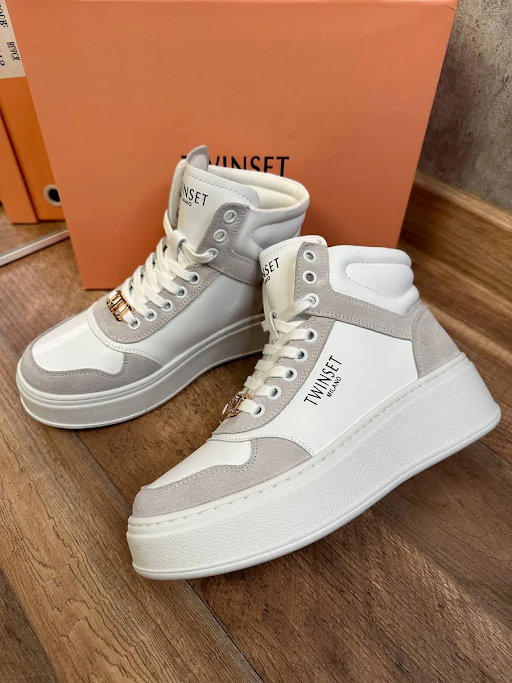
Most people have owned an expensive pair that disappointed and a modest pair that quietly lasted for years. Price and quality overlap, but they are not the same thing. That gap is why more shoppers now research premium shoes carefully, hoping to understand what genuinely separates a well-made pair from one that simply carries a bigger tag.
What “Premium” Should Actually Mean
The word gets used loosely in advertising, so it helps to define it by substance. Premium footwear usually combines better raw materials, tighter construction, more thoughtful design, and stronger after-sales support. Podiatrists and cobblers often note that well-built shoes keep their shape, support the foot properly, and can be repaired rather than discarded. A high price alone guarantees none of that.
Trends Shaping the High-End Footwear Market
Buyers are paying closer attention to how shoes are made, not only how they look. Current patterns include:
- Full-grain and vegetable-tanned leather replacing heavily coated surfaces
- Resoleable constructions designed to be repaired instead of replaced
- Recycled and responsibly sourced materials influencing purchase decisions
- Quiet, minimalist designs with little visible branding
- Cushioned, sneaker-style comfort built into dress and smart-casual shoes
- Made-to-order and small-batch production gaining a loyal following
The shared direction is longevity. Buyers increasingly want fewer, better pairs.
Materials That Justify the Cost
Leather quality matters most. Full-grain leather keeps its natural strength and develops a pleasing patina, while corrected-grain or bonded leather can crack and peel. Suede and nubuck should feel soft and even in texture. Linings in leather or breathable fabric manage moisture better than cheap synthetics. Soles made from quality rubber or leather last longer and grip more reliably. When comparing premium shoes, handling the materials in person often reveals more than any product description.
How Construction Affects Lifespan
How a sole is attached to the upper tells you a lot about durability. Cemented soles are glued and are common in lower-priced shoes. Blake and Goodyear welted constructions are stitched, which allows resoling and extends life considerably. Check the stitching for evenness, the edges for clean finishing, and the insole for real cushioning rather than a thin sheet of foam.
Getting the Fit Right
Even excellent materials fail if the fit is wrong. Leave about a thumb’s width in front of your longest toe, make sure the heel holds without slipping, and confirm the shoe feels comfortable immediately. Try pairs on in the afternoon, when feet are slightly swollen, with the socks you normally wear. Quality leather will soften, but it should never hurt on day one.
Matching Shoes to Your Lifestyle
A pair is only valuable if it gets worn. Office professionals may prefer polished leather lace-ups or loafers. Frequent travelers benefit from lightweight, cushioned designs. People who walk a lot should prioritize flexible soles and arch support. Choosing by routine rather than by prestige leads to fewer regrets and better cost per wear.
Thinking in Cost Per Wear
A pair costing twice as much but lasting four times longer is the cheaper option in the end. Many experienced buyers divide the price by the number of wears they expect. Shoes worn weekly for years, and resoled once or twice, often prove far better value than a series of cheaper replacements.
Spotting Fakes and Overpriced Imitations
Premium labels attract counterfeits and inflated listings. Warning signs include blurry logos, uneven stitching, plasticky leather, a harsh chemical smell, and prices far below the usual range. Buy from authorized or well-reviewed sellers, keep receipts, and confirm return policies before paying.
Caring for Your Investment
Rotate pairs so each can rest for a day, use cedar shoe trees to hold shape and absorb moisture, and clean and condition leather regularly. Brush suede gently and use a protective spray. Take shoes to a cobbler at the first sign of sole wear, since early repairs cost little and prevent bigger damage.
Final Thoughts
True quality shows in materials, construction, fit, and how gracefully a shoe ages, not in packaging or price alone. By learning what to check and caring for your purchase, you can build a small collection that serves you well for years. For anyone ready to invest, taking a thoughtful approach to premium shoes is the surest way to make sure the money spent keeps paying you back in comfort and confidence.