
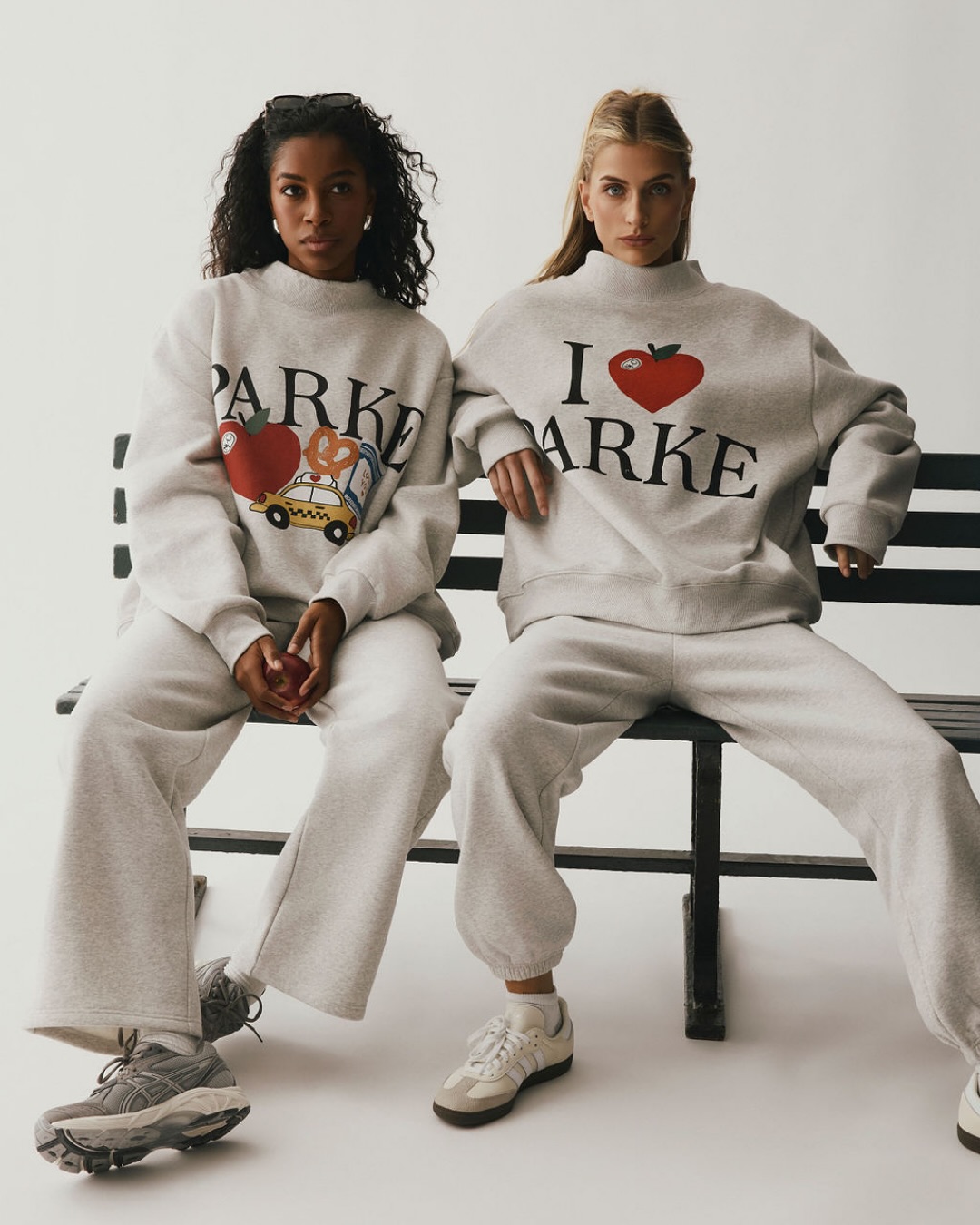
A Parke sweatshirt is a loose, fleece-lined top from a New York-inspired brand that favors quiet graphics over loud slogans. Fit is the other half of this story. It covers where the shoulders land, how far the sleeves travel, and how the hem behaves when you sit down or reach for something.
Put the two together and you get a topic that real wearers love to discuss. Their stories show what a tag cannot: how a sweatshirt feels after a full week of use. This article gathers the lessons they share so you can choose a size once and get it right.
Meet the Parke Sweatshirt
Parke draws its ideas from city life: brick walls, corner delis, and late trains home. The sweatshirts reflect that mood with a boxy body, dropped shoulders, and a soft brushed lining. Graphics parke sweatshirt stay small and sit where they belong, so the garment never competes with the person inside it.
That cut matters for sizing. A roomy pattern forgives small errors, yet it also makes the wrong size easy to spot once you know what to look for.
What Sizing Really Means in a Sweatshirt
Most people hear the word and think of tightness. With a sweatshirt, the idea is closer to balance. You want enough room to move, but not so much that the garment droops and hides your shape.
Two people of the same height can wear different sizes and both look right. One prefers a snug, tidy outline, and the other wants a slouchy, oversized mood. Neither is wrong, because the goal is to match the sweatshirt to your own taste.
What Wearers Notice in the First Week
The first day brings excitement, and the first week brings honesty. Wearers say the real test begins when they stop checking the mirror and start living in the sweatshirt. They notice whether the neckline slides, whether the cuffs swallow their hands, and whether the hem rides up during the commute.
Many of them say their regular size worked best. Those who stayed close to their normal number felt the shape was already generous. People who jumped up a full size often described a heavy, shapeless look that took away the charm.
The Shoulder Seam Tells the Truth
If you check only one spot, check the shoulders. The seam parkeus.com should sit slightly below the bone at the edge of your shoulder, which gives the sweatshirt its dropped, casual line.
When that seam slides toward the elbow, the piece is too large for you. When it sits right on top of the bone, the cut is tighter than the brand intended. Wearers often discovered this through photos rather than mirrors, since a camera shows the true line of the garment.
Stand straight, let your arms hang loose, and look down at the seam. That quick glance says more than any number printed inside the collar.
Sleeves and Cuffs
Sleeve length shapes the mood of the whole outfit. A sleeve that ends near the base of the thumb looks tidy and keeps the wrist warm. A longer one bunches into soft folds, which suits people who like a street-style slouch.
People with long arms shared a useful tip. They chose the size where the cuff stayed in place while they reached forward, because a sleeve that climbs toward the elbow gets annoying fast. Shorter arms had the opposite issue, so they either rolled the cuffs once or let them gather on purpose.
Length and Height Change the Story
The body of a Parke sweatshirt runs boxy rather than long. Tall wearers often noticed the hem stopped higher than expected, around the belt line. That worked well with high-waisted trousers but felt short with low-rise ones.
Shorter wearers saw the reverse. The same hem dropped closer to the hip, and the sweatshirt took on a deliberately oversized look. Some loved it, and others wanted a cleaner line.
Before you order, decide where you want the hem to land. Then compare the listed length with a sweatshirt you already own and like. That comparison removes most of the doubt.
When Layers Go Underneath
Fleece has body, so it needs a little space. A thin tee underneath sits nicely and barely changes the feel. A thick long-sleeve shirt, however, can make the arms feel tight, especially around the elbows.
Several wearers who live in cold cities sized up by one step for this reason. They wanted room for winter layers, not a baggier silhouette. Others kept their regular number and simply wore thinner tops underneath.
Think about the season in which you will wear it most. A sweatshirt for crisp autumn mornings can stay true to size. One meant to sit over heavy knits may need a bit more room.
What Happens After the First Wash
Cotton blends respond to heat, and a sweatshirt that felt right on arrival can shrink slightly after a rough wash. Wearers who used hot water and a strong dryer reported shorter sleeves and a tighter body.
Those who treated it gently saw almost no change. Cool water, an inside-out turn, and a low dryer setting kept the shape close to day one. A few people skipped the dryer entirely and laid the sweatshirt flat on a towel.
Storage matters too. Folding protects the shoulders, while a hanger can pull them out of shape over several months.
Mistakes People Admit To
Real wearers are honest about what went wrong. The most common slip was chasing the oversized trend and buying far too large. The sweatshirt ended up looking like borrowed clothing, and the shoulders drooped past the point of style.
Another slip was trusting memory instead of measurements. Every brand cuts differently, so a medium elsewhere may not match a medium here. One quick measurement of a favorite sweatshirt, laid flat, would have saved them a return.
The last mistake was judging the size while standing still. Motion exposes problems that a frozen pose hides, such as a rising hem or a tugging collar.
A Five-Minute Trial at Home
When your sweatshirt arrives, wear it with the kind of top you normally put underneath. Stand tall and look at the shoulder seam. Raise your arms above your head and see how far the hem lifts. Sit on a chair and notice whether the fabric bunches around your waist.
Then walk around the house for a few minutes. A well-sized piece fades into the background once you stop thinking about it. If you keep tugging at the neckline or pushing up the cuffs, your body is telling you something.
Finish with two photos, one from the front and one from the side. The pictures show the true outline and help you judge whether it matches the look you had in mind.
Pick Your Size the Way Wearers Do
The fit of a Parke Sweatshirt NYC piece rests on a handful of honest checks. Watch the shoulder seam, test the sleeves, picture the hem on your own frame, and think about the layers you plan to wear underneath. A gentle wash routine then keeps that shape steady for seasons.
Wearers agree on one point above all. A good sweatshirt should feel like part of you rather than something you manage all day. Measure a favorite piece tonight, compare the numbers, and order the size that matches the way you want to look and move.
Frequently Asked Questions
Should I order my regular size in a Parke Sweatshirt NYC piece?
Most wearers say yes. The pattern already carries extra room, so your normal size gives the loose shape the brand is known for.
How can I tell if the shoulders are right?
Look at the seam while your arms hang loose. It should rest a little below the edge of your shoulder, not near your elbow and not on top of the bone.
Will the sweatshirt shrink in the wash?
It can if the water or dryer runs hot. Cool water, an inside-out turn, and low heat help it keep its original size.
Do I need a bigger size for winter layers?
Only if you wear thick shirts underneath. With a thin tee, your regular size works well, and a larger one may feel too baggy.
Does my height change how the sweatshirt sits?
Yes. Taller people often see a higher hem, and shorter people see a longer one, so compare the listed length with your own body before you decide.
