Introduction
Facial appearance plays an important role in how people express themselves and feel about their overall look. The forehead is one of the most noticeable areas of the face because it influences eyebrow position, forehead lines, and the appearance of the upper face. As people age, changes in skin elasticity and facial structure can contribute to wrinkles, horizontal lines, and a heavier-looking brow area. A forehead lift is a cosmetic procedure designed to improve the appearance of this region by creating a smoother forehead and a more refreshed facial expression. For individuals considering a forehead lift in Abu Dhabi, understanding the procedure, available techniques, expected outcomes, and personal suitability can help them make a well-informed decision.
Understanding What a Forehead Lift Involves
A forehead lift, also known as a brow lift, is a cosmetic procedure that focuses on the upper portion of the face. Its primary purpose is to improve the position of the eyebrows and reduce the appearance of prominent forehead lines. The procedure may also address certain creases between the eyebrows that contribute to a tired, tense, or aged appearance.
The approach depends on individual facial anatomy, skin characteristics, eyebrow position, and aesthetic preferences. Rather than creating an identical appearance for everyone, the objective is to achieve a balanced result that complements the person’s natural facial features.
Identifying Your Personal Aesthetic Goals
Before choosing a forehead lift, it is important to understand what you would like to improve. Some individuals are mainly concerned about horizontal forehead lines, while others notice that their eyebrows appear lower than before. There are also people who feel that the area between their eyebrows creates an unintentionally serious or tired expression.
Identifying these concerns helps establish realistic aesthetic goals. A forehead lift may be considered when changes in the upper facial area affect overall facial harmony. Understanding which features you want to address also makes it easier to discuss your expectations during an initial consultation.
Exploring Different Forehead Lift Techniques
Forehead lift procedures can involve different surgical approaches depending on the individual’s requirements. The selected technique influences how the forehead area is approached and how adjustments are made to the surrounding tissues.
An endoscopic forehead lift generally involves small incisions and the use of a camera-assisted instrument to access the underlying tissues. This approach allows adjustments to be made through a limited surgical opening.
A traditional or coronal forehead lift involves an incision across the upper scalp, usually positioned within the hair-bearing area. This technique may be considered when more extensive adjustments are required.
A hairline forehead lift involves an incision near the hairline and may be considered for individuals who want to improve eyebrow position while taking their forehead proportions into account.
Each approach has different considerations. The most suitable option depends on facial anatomy, hairline position, skin characteristics, and the desired aesthetic outcome.
Understanding the Importance of Facial Anatomy
Facial anatomy is an essential consideration before choosing a forehead lift. The position of the eyebrows, forehead height, hairline, skin elasticity, and natural facial proportions all influence treatment planning.
For example, individuals with naturally high foreheads may have different aesthetic considerations from those with lower hairlines. Similarly, eyebrow shape and the distance between the eyebrows and eyelids can influence the overall appearance of the upper face.
A personalized assessment helps determine how changes to the forehead and eyebrow area may affect facial balance. The objective is to create a refreshed appearance without making the upper face look unnatural or excessively elevated.
Evaluating Your Candidacy for a Forehead Lift
Not everyone has the same reasons for considering this procedure. Suitable candidates are generally individuals who are concerned about forehead wrinkles, lower eyebrow positioning, or a heavy appearance in the upper facial region.
Skin condition, general health, facial structure, and personal expectations are important considerations. Individuals should also understand the nature of the procedure and have realistic expectations about the changes it can provide.
An individual assessment is necessary to determine whether a forehead lift is appropriate. It also helps identify whether another approach may better address the person’s aesthetic concerns.
Knowing What Happens During the Consultation
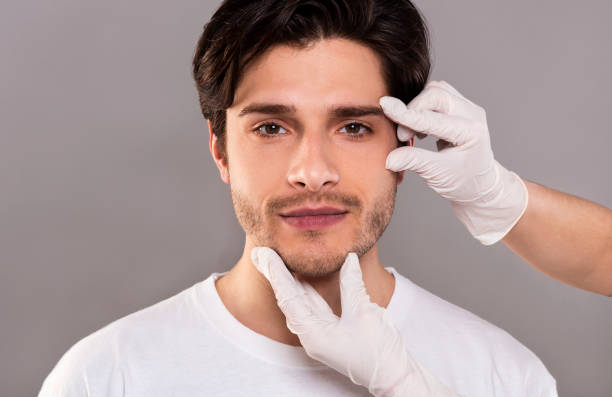
The consultation is an important stage in choosing a forehead lift. During this appointment, the upper facial area is assessed to understand the relationship between forehead lines, eyebrow position, and surrounding facial features.
Personal aesthetic goals are discussed, and the available surgical techniques can be explained. Individuals should have an opportunity to understand how the procedure is planned and what type of outcome may be achievable based on their facial characteristics.
It is also helpful to discuss questions about incision placement, the approach being considered, recovery expectations, and the overall treatment plan. Clear communication helps ensure that expectations are understood before making a decision.
Understanding the Expected Results
A forehead lift aims to create a smoother and more refreshed appearance in the upper facial area. Depending on the selected technique and individual characteristics, the procedure may improve forehead lines, adjust eyebrow position, and soften the appearance of certain facial expressions.
The final appearance varies from person to person because facial anatomy, tissue characteristics, and the extent of the planned adjustments are different. The goal should be natural-looking improvement rather than a dramatic transformation that changes the person’s identity.
Understanding the realistic possibilities of the procedure can help individuals feel more confident about their decisions.
Learning About the Recovery Process
Recovery is another important factor to understand before choosing a forehead lift. The healing experience depends on the surgical technique, the extent of the procedure, and individual healing characteristics.
Some temporary changes in the treated area may occur as part of the healing process. The forehead and surrounding tissues need sufficient time to settle, and the appearance may continue to develop as recovery progresses.
Following the recommended aftercare instructions and attending scheduled follow-up appointments are important parts of the recovery process. Individuals should also understand that returning to their usual activities depends on their progress and the guidance provided by their healthcare professional.
Considering Long-Term Aesthetic Expectations
A forehead lift can provide lasting improvements to the upper facial appearance, but it does not stop the natural ageing process. Skin elasticity and facial tissues continue to change over time.
Maintaining realistic expectations is therefore important when considering the procedure. The results should be viewed as an improvement in forehead and eyebrow appearance rather than a permanent solution to every future sign of ageing.
Understanding this distinction helps individuals make decisions based on their long-term aesthetic preferences.
Choosing a Qualified and Experienced Professional
Selecting an appropriately qualified and experienced professional is one of the most important decisions before undergoing a forehead lift. Individuals should verify professional qualifications, relevant surgical experience, and familiarity with different forehead lift techniques.
It is also important to choose an appropriate medical facility where the procedure can be planned and performed according to established medical standards.
A clear consultation, personalized assessment, and transparent discussion of expected outcomes can help individuals make an informed choice. Feeling comfortable asking questions and understanding the proposed treatment plan are equally important.
Conclusion
Choosing a forehead lift requires careful consideration of personal aesthetic goals, facial anatomy, available techniques, expected results, and recovery requirements. Understanding these factors helps individuals develop realistic expectations and select an approach that complements their natural features. A detailed consultation and assessment by a qualified professional are essential steps before making a final decision. With appropriate planning and an individualized approach, a forehead lift may help create a smoother, more balanced, and refreshed appearance in the upper facial area.
Frequently Asked Questions
What is the main purpose of a forehead lift?
A forehead lift is designed to improve the appearance of the upper face by reducing prominent forehead lines and adjusting the position of the eyebrows.
Who may consider a forehead lift?
Individuals concerned about forehead wrinkles, lower eyebrows, or a heavy-looking upper facial area may consider this procedure after a professional assessment.
Are there different types of forehead lift procedures?
Yes. Common approaches include endoscopic, traditional or coronal, and hairline forehead lifts. The appropriate technique depends on individual facial characteristics and aesthetic goals.
How long does a forehead lift procedure take?
The duration depends on the selected technique and the complexity of the planned adjustments. The expected procedure time can be discussed during consultation.
Does a forehead lift change eyebrow position?
Yes. One of its main objectives is to adjust eyebrow position to create a more refreshed and balanced appearance.
When can someone notice the results of a forehead lift?
Some changes may be visible early, but the appearance continues to develop as the treated tissues heal and settle.
Is a forehead lift suitable for every individual?
No. Suitability depends on general health, facial anatomy, skin characteristics, and personal aesthetic goals. An individual assessment is necessary.
How long can forehead lift results last?
Results can be long-lasting, although natural ageing and changes in skin elasticity continue over time.
What should be discussed before choosing a forehead lift?
Individuals should discuss their aesthetic goals, available techniques, incision placement, expected results, recovery process, and the professional’s relevant experience.
Can a forehead lift create a natural-looking appearance?
A personalized surgical plan that considers facial proportions and natural eyebrow positioning aims to create a balanced and natural-looking result.